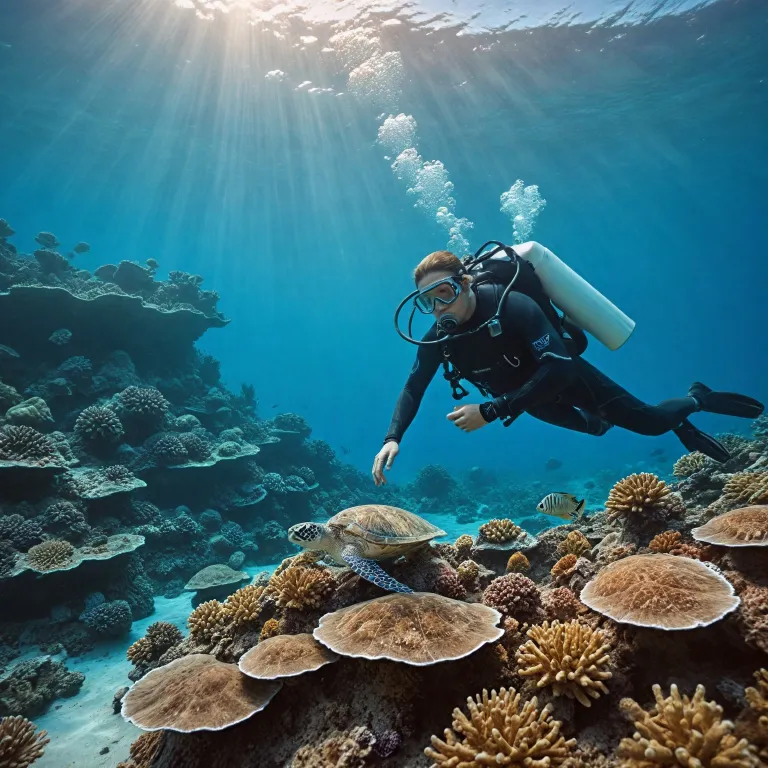
Understanding the fundamentals of diving safety in marine environments
Diving and marine travel offer unparalleled opportunities to explore vibrant underwater ecosystems. However, prioritizing safety is crucial for both divers and marine life. Before entering the water, always check your equipment thoroughly, ensuring your mask, regulator, and buoyancy control device are functioning properly. A comprehensive pre-dive safety check reduces the risk of equipment failure, which is a leading cause of diving incidents. Familiarize yourself with local marine conditions, including currents, tides, and visibility, as these factors can change rapidly and impact your dive experience. Always dive with a buddy and establish clear communication signals before descending. This simple practice can make a significant difference in emergency situations. Respecting depth and time limits is essential to prevent decompression sickness. Use a dive computer or dive tables to monitor your ascent rate and bottom time. Remember, ascending slowly and performing safety stops are non-negotiable steps for safe diving. Marine travel often involves boat transfers to dive sites, so always listen to the crew’s safety briefing and wear a life jacket when required. By adhering to these fundamental safety measures, you not only protect yourself but also contribute to the preservation of delicate marine ecosystems.
Minimizing risks: Essential safety strategies for night and deep dives
Night and deep dives present unique challenges that require specialized preparation and awareness. Visibility is significantly reduced during night dives, making it vital to carry at least two underwater torches. Mark your entry and exit points with surface markers to avoid disorientation. Stay close to your dive buddy and maintain regular visual contact. Deep dives increase the risk of nitrogen narcosis and oxygen toxicity, so plan your dive profile meticulously and monitor your depth and air supply constantly. Use redundant air sources and ensure your dive computer is set for the correct gas mix. For comprehensive guidance on safe night diving, refer to essential safety strategies for an unforgettable night dive experience. Always conduct a thorough pre-dive briefing, discussing emergency procedures and lost buddy protocols. Environmental awareness is equally important; avoid touching or disturbing marine life, as some species are more active or defensive at night. By following these essential safety strategies, divers can enjoy the thrill of night and deep dives while minimizing risks to themselves and the marine environment.
Protecting marine life: Responsible diving practices for sustainable travel
Responsible diving is integral to the health of marine ecosystems. Avoid contact with coral reefs, as even a gentle touch can cause irreversible damage. Maintain neutral buoyancy to prevent accidental kicks or scrapes that harm fragile organisms. Do not collect souvenirs or disturb marine creatures for photographs. Many marine species are sensitive to human presence, and excessive interaction can alter their natural behaviors. Use reef-safe sunscreen to minimize the introduction of harmful chemicals into the water. Participate in organized clean-up dives to help remove debris from the ocean floor. Educate yourself about local regulations and protected areas before your trip. By adopting these responsible practices, divers and marine travelers can ensure that their adventures have a positive impact on the underwater world.
Emergency preparedness: Handling unexpected situations underwater
Preparation is the cornerstone of effective emergency response during diving and marine travel. Always carry a surface signaling device, such as a whistle or inflatable marker, to attract attention if separated from your group. Learn and practice emergency ascent techniques, including controlled buoyant ascents and alternate air source sharing. Familiarize yourself with the symptoms of decompression sickness and nitrogen narcosis, and know when to abort a dive. Carry a first aid kit and ensure someone in your group is trained in CPR and oxygen administration. Establish a clear emergency action plan with your dive team before entering the water. In the event of an incident, remain calm and follow established protocols. Quick, decisive action can make the difference between a minor issue and a serious accident. Regularly review and update your emergency skills to stay prepared for any situation.
Enhancing your marine travel experience through knowledge and training
Continuous education is vital for safe and enjoyable diving and marine travel. Enroll in advanced training courses to expand your skills and knowledge, such as rescue diver or specialty certifications. Stay informed about the latest safety protocols and environmental conservation efforts. Participate in local workshops or seminars to learn about the unique characteristics of the marine environments you visit. Reading reputable resources, such as guides to tropical marine life identification, enhances your understanding and appreciation of underwater biodiversity. Networking with experienced divers and marine professionals provides valuable insights and practical tips. By investing in your education, you not only improve your personal safety but also contribute to the broader goal of marine conservation.
Integrating safety and sustainability: The future of diving and marine travel
The future of diving and marine travel depends on a collective commitment to safety and sustainability. Technological advancements, such as improved dive computers and eco-friendly equipment, are making it easier to protect both divers and marine habitats. Support operators and organizations that prioritize environmental stewardship and adhere to strict safety standards. Participate in citizen science projects to contribute data on marine life and environmental conditions. Advocate for the protection of vulnerable species and habitats through responsible travel choices. By integrating safety and sustainability into every aspect of your diving and marine travel experiences, you help ensure that these extraordinary environments remain accessible for generations to come.
Key statistics on diving and marine travel safety
- No dataset provided.
Frequently asked questions about diving and marine travel safety
What are the most important safety checks before a dive?
Before each dive, inspect your equipment, confirm your dive plan with your buddy, and review emergency procedures. Always check environmental conditions and ensure you are physically and mentally prepared for the dive.
How can divers minimize their impact on marine life?
Maintain neutral buoyancy, avoid touching marine organisms, and use reef-safe products. Participate in conservation efforts and respect local regulations to help protect underwater ecosystems.