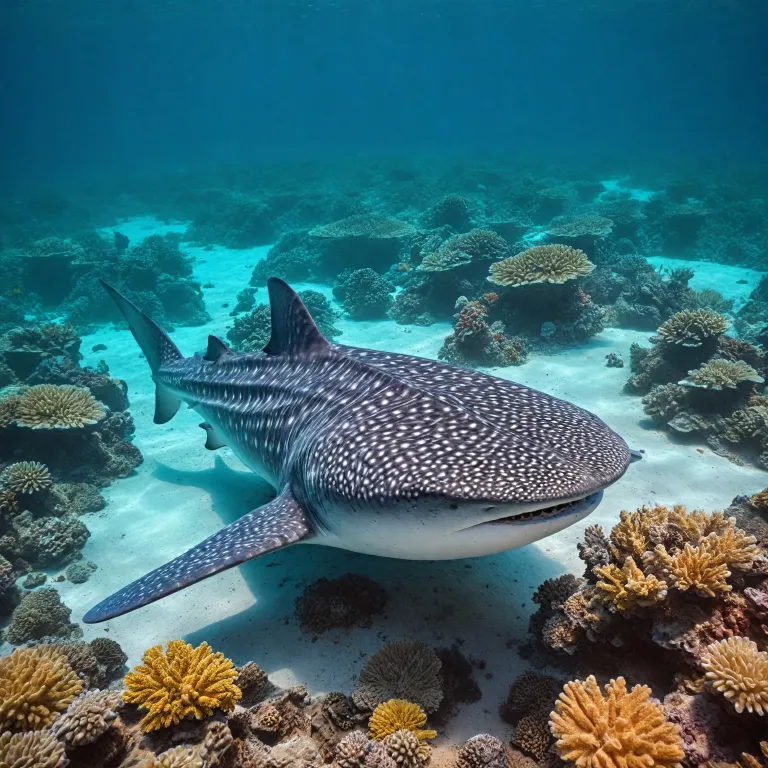
Understanding whale sharks: gentle giants of the ocean
Whale sharks, the largest known fish species, inspire awe among divers and snorkelers worldwide. These gentle filter-feeders, often reaching lengths of over 12 meters, glide gracefully through tropical and subtropical waters. Their distinctive spotted patterns and calm demeanor make every shark encounter a memorable experience, whether you are swimming with a single whale shark or observing groups during peak seasons.
Shark diving with whale sharks is a highlight for marine tourism, drawing enthusiasts to destinations such as the Maldives, Galapagos Islands, and Isla Mujeres. The best time for diving with whale sharks varies by location, but many sites offer year-round opportunities. For example, the Maldives and Ari Atoll provide consistent whale shark encounters, while Mexico’s Isla Mujeres is renowned for its seasonal aggregations.
Snorkeling and diving with whale sharks require respect for these magnificent creatures. As filter-feeders, whale sharks pose minimal risk to humans, making them ideal for open water experiences. According to experts, "No, whale sharks are gentle filter-feeders and pose minimal risk to humans." This assurance allows both novice and experienced divers to enjoy close yet responsible interactions, fostering appreciation for marine ecosystems and supporting sustainable tourism.
Top destinations for diving and snorkeling with whale sharks
Global tourism has embraced the allure of swimming with whale sharks, with certain locations standing out for their abundance and accessibility. The Galapagos Islands offer some of the world’s most spectacular shark encounters, where divers can also spot manta rays and even humpback whales during migration periods. The Ningaloo Reef in Australia is another premier site, with peak whale shark sightings from March to July, making it one of the best times for shark diving in the region.
Isla Mujeres in Mexico is famous for its annual whale shark gatherings, attracting divers and snorkelers eager to swim with these gentle giants. The island’s proximity to rich feeding grounds ensures reliable encounters, especially from mid-July through August. For those seeking year-round experiences, the Maldives and Ari Atoll provide consistent opportunities for diving and snorkeling with whale sharks, supported by eco-conscious tour operators.
When planning your trip, always research operators that adhere to ethical guidelines for wildlife interactions. For more insights on sustainable marine travel, explore our comprehensive guide on responsible diving practices. Choosing reputable partners ensures that your whale shark experience contributes positively to local communities and marine conservation efforts.
Essential preparation for whale shark diving adventures
Preparation is key to maximizing your whale shark diving or snorkeling experience. Begin by selecting the best time and location based on seasonal patterns—Isla Mujeres, Galapagos, and Maldives each have distinct peak periods for whale shark encounters. Ensure you have the appropriate certifications for scuba diving, or opt for snorkeling excursions if you are not certified. Many destinations, such as Mafia Island and Ningaloo Reef, offer both options to accommodate varying skill levels.
Pack suitable gear, including a well-fitting mask, snorkel, and fins for snorkeling, or full scuba equipment for open water dives. Eco-friendly sunscreens and reef-safe products are recommended to protect marine life. Local dive centers often provide equipment rentals and briefings on best practices for interacting with whale sharks and other marine species, such as manta rays and sharks.
Respect for the animals and their habitats is paramount. "Maintain a respectful distance, avoid touching the animal, and follow the guidelines provided by your tour operator." This advice ensures safe, ethical, and memorable shark encounters. For more details on equipment and preparation, visit our article on essential dive gear for marine adventures.
Responsible tourism and conservation in whale shark habitats
Tourism centered on whale sharks has a profound impact on local economies and marine conservation. By choosing eco-conscious operators, divers and snorkelers support initiatives that protect whale sharks and their habitats. Sustainable tourism practices, such as limiting group sizes and minimizing boat traffic, reduce stress on marine life and help preserve the delicate balance of these ecosystems.
Many destinations, including the Galapagos Islands and Mafia Island, partner with marine conservation groups to monitor whale shark populations and educate visitors. The integration of innovative technologies, such as underwater photography and videography, enhances participant experiences while contributing valuable data for research. Responsible shark diving and snorkeling not only provide unforgettable encounters but also foster a deeper understanding of the importance of marine biodiversity. Supporting local communities through tourism ensures that the benefits of whale shark encounters extend beyond the water.
Experiencing whale sharks: practical tips for divers and snorkelers
Whether you are planning to dive with whale sharks in the Maldives or swim with them off Isla Mujeres, preparation and awareness are crucial. Always listen to your guides and adhere to safety briefings, as local regulations are designed to protect both participants and marine life. The best time for swimming with whale sharks varies, so consult with tour operators to align your visit with peak seasons for shark encounters.
Snorkeling is often the preferred method for close interactions, as it allows participants to observe whale sharks at the surface without the need for advanced certifications. However, open water scuba diving offers a unique perspective, especially in locations like the Galapagos Islands and Ari Atoll, where visibility and biodiversity are exceptional. Remember, "Do I need to be a certified diver to swim with whale sharks? Not necessarily; many locations offer snorkeling opportunities that do not require certification."
Bring a waterproof camera to capture your experience, but prioritize the well-being of the animals over photography. Avoid flash and sudden movements, and never attempt to touch or ride a whale shark. By following these guidelines, you will ensure a safe and respectful encounter that supports ongoing conservation efforts.
Beyond whale sharks: exploring diverse marine life and ecosystems
Diving and snorkeling with whale sharks often lead to encounters with a rich array of marine species. In addition to whale sharks, destinations like Ningaloo Reef and Mafia Island are home to manta rays, reef sharks, and vibrant coral ecosystems. The Galapagos Islands offer the chance to observe humpback whales and other pelagic species, making each dive a multifaceted adventure.
Tourism in these regions supports local economies and encourages the protection of marine habitats. Many operators collaborate with conservation organizations to monitor shark populations and promote sustainable practices. Year-round opportunities for shark diving and snorkeling mean that enthusiasts can plan trips to suit their interests and schedules, whether seeking the thrill of swimming with whale sharks or exploring the biodiversity of the world’s most iconic waters.
For those passionate about marine travel, combining whale shark encounters with other activities—such as reef exploration or manta ray dives—creates a holistic experience. Responsible tourism ensures that future generations will continue to enjoy the wonders of the ocean, from the gentle whale shark to the majestic humpback whale.
Key statistics about whale sharks and marine travel
- Average length of adult whale sharks: 12.65 meters
- Estimated global population of whale sharks: 7,000 individuals
- Number of countries where whale sharks are found: 100 countries
Frequently asked questions about diving with whale sharks
Are whale sharks dangerous to humans?
No, whale sharks are gentle filter-feeders and pose minimal risk to humans.
Do I need to be a certified diver to swim with whale sharks?
Not necessarily; many locations offer snorkeling opportunities that do not require certification.
What should I do if I encounter a whale shark while diving?
Maintain a respectful distance, avoid touching the animal, and follow the guidelines provided by your tour operator.
References: International Union for Conservation of Nature (IUCN), World Wildlife Fund (WWF), Marine Megafauna Foundation.