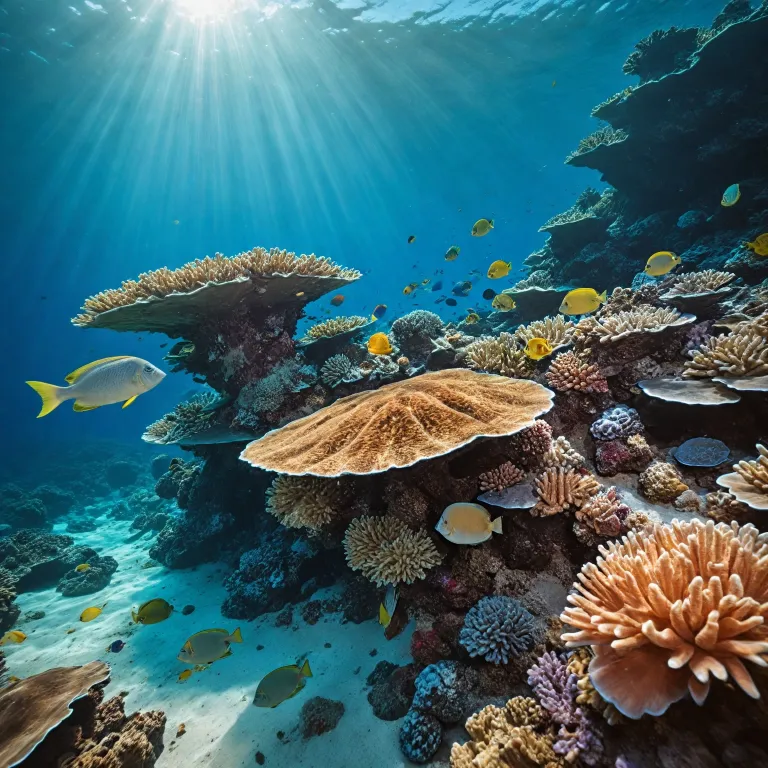
Exploring iconic diving destinations: from coral gardens to shark encounters
The allure of the best diving destinations lies in their diversity, marine life, and the thrill of discovery beneath the waves. Scuba divers are drawn to sites where vibrant coral reefs, dramatic underwater landscapes, and encounters with majestic marine life create unforgettable experiences. The Galapagos Islands, for instance, are renowned for their biodiversity, offering divers the chance to swim alongside hammerhead sharks, reef sharks, and even whale sharks. These islands are a haven for those seeking the best dive adventures, with year-round opportunities to witness unique species and dramatic volcanic formations.
Raja Ampat in Indonesia is another jewel among diving destinations, celebrated for its extraordinary marine life and pristine coral reefs. With over 1,400 species of marine life, Raja Ampat is often cited as one of the best diving sites globally. Scuba divers flock to these islands to witness manta rays gliding gracefully through crystal-clear waters, while vibrant coral gardens teem with life. The region’s dive resorts cater to both novice and experienced divers, offering access to some of the best dive sites in the world.
For those seeking images that capture the essence of marine travel, getty images provides a wealth of visual inspiration. These images showcase the beauty and excitement of scuba diving in destinations like the Red Sea, where divers can explore ancient shipwrecks and thriving coral reefs. Whether planning a trip or simply dreaming of the next adventure, the best diving destinations promise unparalleled experiences for every diver.
Marine biodiversity hotspots: where coral, sharks, and whale sharks thrive
Marine biodiversity is a key factor in determining the best diving destinations. The Red Sea, stretching between Africa and Asia, is famed for its rich coral reefs and abundant marine life. Scuba divers are drawn to its warm waters, where they can encounter reef sharks, hammerhead sharks, and vibrant schools of fish. Dive resorts along the Red Sea coast offer easy access to renowned dive sites, making it a favorite among divers seeking both adventure and comfort.
Whale sharks, the gentle giants of the ocean, are a highlight in several top diving destinations. In the Maldives, divers can book trips to swim alongside these magnificent creatures, particularly during the year-round migration seasons. The Galapagos Islands also offer exceptional opportunities to encounter whale sharks, especially at sites like Darwin and Wolf Islands. These experiences are enhanced by the presence of manta rays and other pelagic species, making each dive a memorable event.
Coral reefs are the lifeblood of many diving destinations, supporting a vast array of marine life. Raja Ampat’s reefs are considered among the healthiest and most diverse in the world, attracting scuba divers from across the globe. The islands’ dive sites are home to rare species and intricate coral formations, providing endless opportunities for exploration. For those interested in conservation, Bonaire National Marine Park offers a model of sustainable diving, where divers are required to obtain permits that support ongoing preservation efforts.
Planning your dive trip: essential tips for booking and preparation
Organizing a dive trip to the best diving destinations requires careful planning and attention to detail. Scuba divers should research local regulations, obtain necessary permits, and ensure they have the appropriate certifications for their chosen dive sites. For example, Bonaire National Marine Park mandates the purchase of a Marine Park entry tag, which directly funds conservation efforts. This approach not only supports the local ecosystem but also enhances the diving experience for all visitors.
Weather conditions and optimal diving seasons vary by destination. In the Maldives, the best time to dive is from November to April, when calm seas and excellent visibility prevail. Divers should also consider the accessibility of dive resorts and the availability of guided trips, especially in remote locations like Raja Ampat or the Galapagos Islands. Booking in advance is recommended, particularly for popular sites and peak travel periods.
Images from getty images can help divers visualize their upcoming adventures, offering a glimpse into the underwater landscapes and marine life they may encounter. When planning a trip, it is essential to pack the right gear, review safety protocols, and consult with local dive operators.
Unforgettable dive sites: from the Galapagos to Raja Ampat
The best diving destinations are defined by their iconic dive sites, each offering unique experiences for scuba divers. The Galapagos Islands are legendary for their strong currents, dramatic underwater topography, and encounters with large pelagic species. Sites like Darwin and Wolf Islands are particularly famous for aggregations of hammerhead sharks, reef sharks, and whale sharks, making them a must-visit for advanced divers seeking thrilling adventures.
Raja Ampat’s dive sites are celebrated for their biodiversity and pristine coral reefs. Scuba divers can explore sites such as Cape Kri, where record numbers of fish species have been recorded on a single dive. The islands’ remote location ensures that dive sites remain uncrowded, allowing for intimate encounters with marine life. Dive resorts in Raja Ampat offer tailored experiences, from guided dives to specialized trips focused on manta rays and macro photography.
The Red Sea is another standout among diving destinations, with sites like the Thistlegorm wreck and Ras Mohammed National Park attracting divers from around the world. These sites offer a blend of history, vibrant coral, and abundant marine life, making each dive a journey of discovery.
Choosing the right dive resorts and travel logistics
Selecting the ideal dive resort is crucial for a successful diving trip. The best dive resorts combine comfort, expert guidance, and proximity to top dive sites. In destinations like the Galapagos Islands and Raja Ampat, resorts often offer all-inclusive packages that cover accommodation, meals, and guided dives. This approach allows scuba divers to focus on exploring the underwater world without logistical concerns.
Travel logistics can vary significantly between diving destinations. Some sites, such as those in the Red Sea or Bonaire, are easily accessible via direct flights and short transfers. Others, like Raja Ampat, require more complex arrangements, including domestic flights and boat transfers. It is essential to factor in travel time, visa requirements, and local transportation when planning a trip to the best diving destinations.
Images from getty images can provide valuable insights into the facilities and surroundings of various dive resorts. Scuba divers should also consider the availability of rental equipment, safety standards, and the expertise of dive instructors. By carefully evaluating these factors, divers can find the best dive resort to match their preferences and ensure a memorable experience at their chosen destination.
Responsible diving: supporting marine conservation and sustainable travel
Responsible diving practices are essential for preserving the beauty and biodiversity of the world’s best diving destinations. Divers are encouraged to follow local regulations, avoid touching marine life, and minimize their impact on fragile coral reefs. Many dive resorts and national parks, such as Bonaire National Marine Park, implement strict guidelines to protect marine ecosystems. As stated in the dataset, "Yes, divers are required to purchase a Marine Park entry tag, which directly funds conservation efforts." This model demonstrates how responsible tourism can support long-term sustainability.
Scuba divers play a vital role in marine conservation by choosing eco-friendly operators, participating in reef cleanups, and advocating for the protection of endangered species like whale sharks and manta rays. The growing popularity of sustainable travel has led to increased awareness and adoption of best practices across the diving community. Dive sites that prioritize conservation efforts often offer richer, more rewarding experiences for visitors.
Images from getty images highlight the beauty and fragility of marine environments, inspiring divers to act as stewards of the ocean. By supporting responsible travel and conservation initiatives, divers help ensure that the best diving destinations remain vibrant and accessible for future generations. Whether exploring the coral gardens of Raja Ampat or the shark-filled waters of the Galapagos, every diver has a role to play in protecting our planet’s underwater treasures.
Key statistics on the world’s best diving destinations
- Bonaire offers access to 85 distinct dive sites, making it a premier destination for scuba divers seeking variety and accessibility.
- The Great Barrier Reef stretches over 2,300 kilometers, providing countless opportunities for dives among vibrant coral and marine life.
- Raja Ampat is home to more than 1,400 marine species, solidifying its reputation as one of the most biodiverse diving destinations on the planet.
Frequently asked questions about the best diving destinations
What is the best time to dive in the Maldives?
The best time to dive in the Maldives is from November to April, offering calm seas and excellent visibility.
Are there beginner-friendly dive sites in the Galápagos Islands?
Yes, while the Galápagos is known for advanced dives, there are sites suitable for beginners, such as Bartolomé and Cousins Rock.
Do I need a permit to dive in Bonaire National Marine Park?
Yes, divers are required to purchase a Marine Park entry tag, which directly funds conservation efforts.