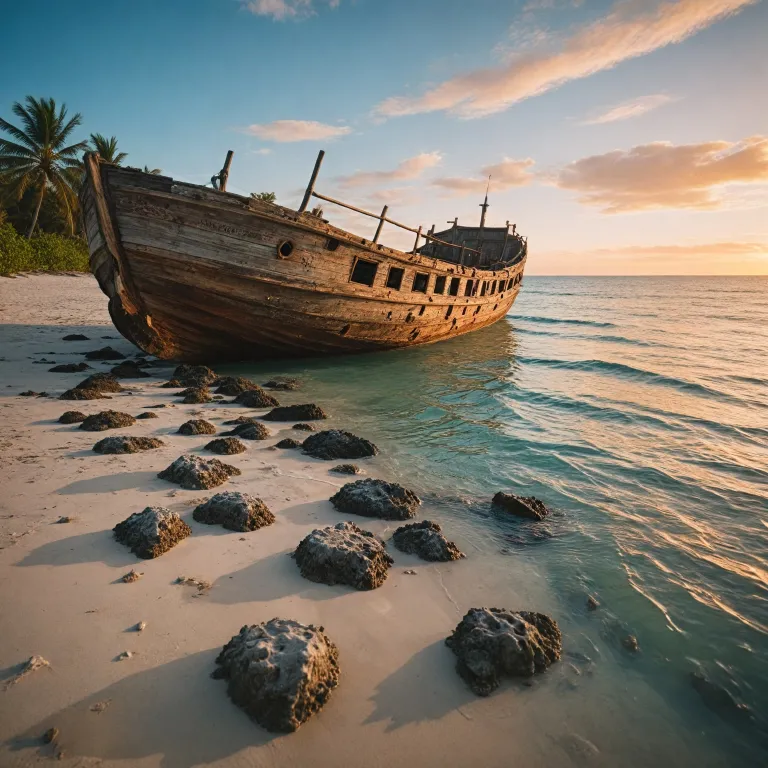
Jupiter’s Spanish galleon legacy off the florida east coast
The story of the shipwreck off Jupiter, Florida, begins with a Spanish galleon sailing north along the florida east coast. This ship, widely associated with the San Miguel, carried silver and other treasure from the Americas back to Spain, linking Jupiter to a vast maritime trade network. Today, divers arrive in Jupiter Florida to experience a rare blend of history, archaeology, and blue water adventure in a compact offshore area.
The jupiter wreck lies near the mouth of the jupiter inlet, only about a mile offshore in relatively shallow feet water that tempts both novice and advanced divers. In this same area, shifting sand and swell have alternately buried and revealed parts of the wreck site, creating a dynamic underwater landscape that changes from season to season. For marine travelers planning a trip that combines palm beach sophistication with authentic maritime heritage, this inlet wreck offers a compelling focal point.
Historical research suggests the ship may have been part of a broader Spanish treasure fleet that never reached Spain, leaving a trail of wrecks along the east coast. Over the years, storms have scattered coins, ballast pile stones, and fragments of hull across the seabed, turning the jupiter wreck into a layered archaeological puzzle. Divers finning over the site today are effectively swimming through centuries of maritime history, with each piece of timber or silver coin hinting at lives lived and lost years ago.
Diving the jupiter wreck: conditions, depths, and access
For divers planning a shipwreck Jupiter FL itinerary, logistics start at the jupiter inlet marinas and nearby palm beach harbors. Most charter boats reach the wreck site within minutes, anchoring or mooring in feet water that typically ranges from about 6 to 9 metres depending on tide. This relatively modest depth allows longer bottom times, yet the proximity to the inlet means currents and visibility can shift quickly throughout the day.
The inlet wreck environment is shaped by Atlantic swell, tidal flow, and sand movement, so operators often brief guests carefully before entering the water. Some days the ballast pile and scattered wrecks features stand proud above the sand, while on other days only low timbers and metal fragments peek through. If you are still choosing between snorkeling and scuba, many local guides reference this comparison of snorkeling versus scuba diving to help travelers match their skills to the site.
Because the area sits just south of the jupiter inlet, boat traffic and changing seas require disciplined dive planning and surface support. Charter captains monitor weather windows closely, especially when swell from the south or east threatens to stir up sand and reduce visibility over the jupiter wreck. When conditions align, however, the combination of shallow feet water, accessible entry points, and rich historical context makes this one of the most engaging wrecks on the florida east coast.
From sand to silver: how treasure is located and recovered
The transformation of a shipwreck Jupiter FL legend into tangible artifacts begins with meticulous survey work on the seabed. Salvage teams use underwater metal detection to locate concentrations of silver coins, iron fastenings, and other metallic clues hidden beneath layers of sand. Once a promising signal is found, divers employ hand fanning and carefully controlled sand suction systems to expose the underlying structure without damaging fragile remains of the ship.
Over the years, these methods have revealed a complex wreck site that includes a ballast pile, scattered timbers, and debris fields stretching across the area near the jupiter inlet. The jupiter wreck has yielded more than 18,000 silver coins recovered so far, along with cannons, anchors, and other artifacts that speak to life aboard a 17th century ship. To understand how such techniques fit into broader underwater exploration, many travelers appreciate reading a comprehensive guide to underwater exploration before visiting.
Salvage operations here are led by Captain Dominic A. Addario and his team at Jupiter Wreck Inc., with marketing and artifact sales managed by Jupiter Coins LLC. One of the most cited figures from this work is that the “Number of silver coins recovered” has reached 18,000 coins, illustrating the scale of treasure once bound for Spain. Each silver bar, cluster of coins, or iron fitting recovered from the wrecks adds another data point to the evolving narrative of trade, navigation, and loss along the florida east coast.
San Miguel, Miguel Archangel, and the people behind the wreck
The shipwreck Jupiter FL narrative often centers on the San Miguel, a Spanish galleon sometimes referenced as the Miguel Archangel in historical discussions. While archival records remain incomplete, the ship is widely believed to have sailed from the Americas toward Spain with a cargo of silver, coins, and other valuables. When the vessel struck trouble off Jupiter Florida, it joined a tragic list of wrecks that reshaped maritime routes along the east coast.
Modern exploration of this jupiter wreck owes much to the persistence of Captain Dominic A. Addario, frequently referred to locally as captain Dominic. Working through Jupiter Wreck Inc., he has coordinated teams that methodically map the wreck site, track where coins recovered have been found, and document each silver bar or artifact lifted from the sand. His colleague Peter Leo has also been associated with field operations, contributing to the careful cataloging of material raised from feet water depths near the jupiter inlet.
These efforts have unfolded over many years, turning what lay hidden for centuries into a well studied inlet wreck that still holds secrets. The partnership between salvage operators, local museums in palm beach, and community stakeholders in beach Florida has ensured that much of the treasure remains accessible to the public. For divers, meeting crew members who have personally recovered coins or handled ballast pile stones adds a human dimension that connects the modern harbor to sailors who sailed these waters years ago.
Planning a marine travel itinerary around Jupiter and palm beach
Designing a shipwreck Jupiter FL focused journey begins with choosing a base in Jupiter or nearby palm beach. Many travelers opt for accommodations near the beach Florida shoreline, where early morning departures to the jupiter inlet and wreck site are convenient. From here, it is easy to combine wreck dives in feet water with afternoons exploring the Jupiter Inlet Lighthouse, waterfront parks, and museums that display artifacts from the jupiter wreck.
Because the area sits on the florida east coast, seasonal conditions influence visibility, sea state, and access to the mile offshore wrecks. Winter fronts can bring swell from the north or south, while late summer often offers calmer seas but warmer water that stirs sand more easily. Keeping a flexible schedule allows divers to time their ship and reef dives around the best windows for viewing the ballast pile, scattered coins, and structural remains of the San Miguel.
Beyond the water, many marine travelers appreciate recording their experiences in a dedicated log or elegant travel journal, such as those highlighted in this world map themed ocean travel journal guide. Documenting each dive on the jupiter wreck, from the first glimpse of sand covered timbers to encounters with artifacts linked to Spain, deepens the sense of connection to the site. Over the years, such personal records have helped visiting divers track how storms reshape the area and how ongoing work by captain Dominic and his team continues to reveal new facets of this inlet wreck.
Responsible wreck diving and engaging with local heritage
Responsible engagement with the shipwreck Jupiter FL environment begins with understanding that this is both a treasure site and a protected cultural resource. Divers are typically briefed not to disturb the ballast pile, move structural elements of the ship, or pocket coins recovered by licensed teams. Instead, visitors are encouraged to focus on observation, photography, and appreciation of how sand, sea life, and history intersect at the wreck site.
Local museums and community parks in palm beach and Jupiter Florida play a crucial role in interpreting the story of the San Miguel and related wrecks. Exhibits often feature silver coins, a silver bar or two, and other artifacts that have been carefully conserved after being recovered from feet water near the jupiter inlet. Informational panels explain how storms years ago scattered treasure across the area, and how modern technology has allowed teams to map the inlet wreck and surrounding seabed more precisely.
For travelers, participating in guided tours, attending talks by experts such as captain Dominic, or contacting organizations like Jupiter Coins LLC can provide deeper context. One widely shared data point notes that the “Estimated value of recent coin recovery” has reached 1,000,000 USD, underscoring the financial and historical stakes involved. By approaching the jupiter wreck as both a ship of Spain and a chapter in florida east coast heritage, divers help ensure that this mile offshore treasure continues to educate and inspire for many years to come.
Key statistics about the Jupiter shipwreck
- Number of silver coins recovered from the jupiter wreck exceeds 18,000 coins, illustrating the scale of treasure once carried toward Spain.
- Estimated value of recent coin recovery from the wreck site is approximately 1,000,000 USD, reflecting both rarity and historical importance.
Questions divers often ask about the Jupiter shipwreck
What is the Jupiter Shipwreck?
The Jupiter Shipwreck refers to the remains of a Spanish galleon, believed to be the San Miguel, which sank off the coast of Jupiter, Florida, around 1660. The wreck lies near the jupiter inlet in relatively shallow feet water, making it accessible to trained divers. Today, it is both a historical treasure site and a focal point for maritime archaeology on the florida east coast.
Who is involved in the salvage operations?
Salvage operations on the shipwreck Jupiter FL are led by Captain Dominic A. Addario and his team at Jupiter Wreck Inc. Their work includes surveying the wreck site, recovering artifacts such as silver coins and a silver bar, and coordinating conservation efforts. Marketing and artifact sales are managed by Jupiter Coins LLC, which also helps share the story of the jupiter wreck with the wider public.
What artifacts have been recovered from the shipwreck?
Artifacts recovered from the jupiter wreck include more than 18,000 silver coins, cannons, anchors, and various items linked to daily life aboard a 17th century ship. Some coins recovered still bear clear markings that connect them to mints in the Americas and Spain, while structural elements reveal how the San Miguel was built. Many of these finds are now displayed in museums and community spaces in palm beach and beach Florida, where visitors can view them before or after diving the inlet wreck itself.