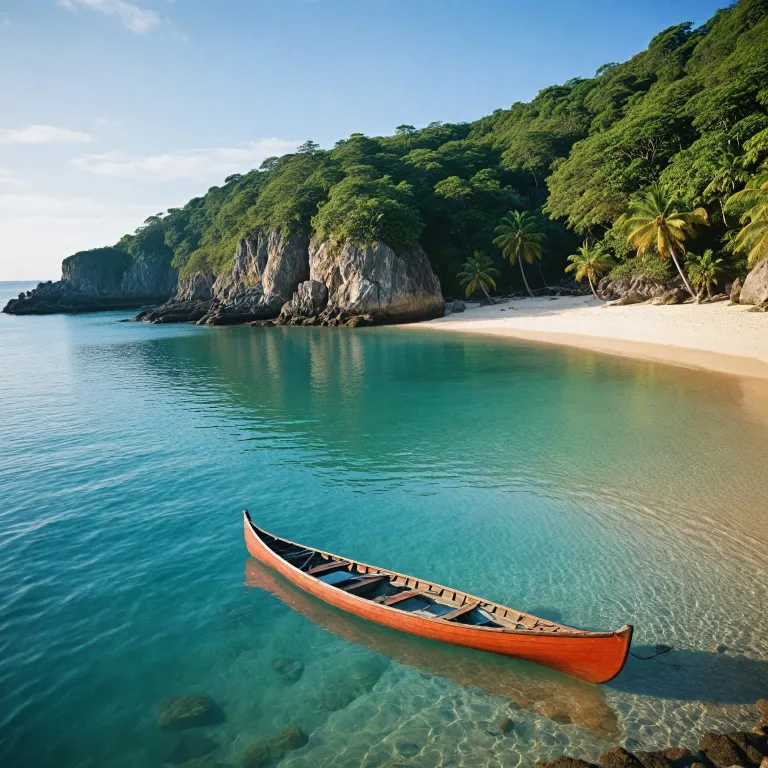
Why the best beaches in Colombia South America captivate divers
The best beaches in Colombia South America offer a rare blend of wild coastline and cultured coastal cities. Along the Caribbean coast and the quieter Pacific coast Colombia reveals coral gardens, mangroves, and deep blue ocean drop offs that appeal to serious divers. Each beach and each island feels distinct, so planning a trip with clear priorities will help you choose where to stay and how many days to allocate.
Colombia has more than 34 named beaches inside protected areas alone, and many of these beaches Colombia locations are framed by jungle clad hills or arid desert capes. The Colombian Ministry of Tourism and local tour operators emphasize that "Increased interest in eco-tourism and sustainable travel." This trend is especially visible along the Caribbean coast where white sand coves, clear water, and coral reefs demand careful protection from unregulated boat traffic and coastal development.
For marine travelers, the best beach is rarely just about scenery ; it is about access to healthy reefs, safe entry points, and reliable local guides. The caribbean coast around Cartagena, the rosario islands, and farther east toward Santa Marta and Tayrona National Natural Park offers many beautiful beaches with established dive centers. On the opposite side, the Pacific coast Colombia is wilder, with fewer beaches but richer pelagic life, strong currents, and seasonal migrations that reward advanced divers who plan their trip with care.
Caribbean coast icons: Cartagena, Rosario, and nearby islands
Cartagena is often the first place travelers read about when researching the best beaches in Colombia South America. The historic walled city sits beside a busy port, yet a short boat ride leads to calmer beach escapes and coral rich islands. Many visitors stay in Cartagena for several days, then add a side trip to the rosario islands or to a quieter playa on the nearby coast.
Within the rosario islands, Isla Grande and Isla Múcura stand out for their mix of white sand, shallow reefs, and sheltered bays. Around isla Múcura, divers can read best local charts to plan multi level dives that combine coral gardens with small walls and sandy patches where rare fish hide. This area is also a strong base for marine life photography, and guides familiar with rare fish guides for diving and marine travel can help you identify unusual species after each boat outing.
Closer to Cartagena, Playa Blanca on Isla Barú is famous for its long strip of white sand and turquoise water, although crowds can be intense during peak days. To enjoy this best beach area in a more relaxed way, arrive early in the morning, limit your stay to a few hours, and choose operators who respect del mar ecosystems. Even if you focus on beaches Colombia highlights near Cartagena, consider at least one snorkel or dive trip offshore, where the ocean is clearer and the caribbean coast reefs remain in better condition.
Tayrona, Santa Marta, and the art of balancing jungle and sea
Farther east along the caribbean coast Colombia, Santa Marta serves as the main gateway to Tayrona National Natural Park. Here, some of the best beaches in Colombia South America curve between rainforest covered hills and boulder strewn headlands. The combination of steep mountains, warm ocean, and protected bays creates a dramatic setting that appeals equally to hikers, snorkelers, and divers.
Inside Tayrona, Playa Cristal and nearby coves offer calm water, white sand, and good visibility on clear days. Playa Cristal is often mentioned among the most beautiful beaches in the region, and its shallow reefs are ideal for relaxed snorkeling rather than deep diving. Visitor numbers are controlled, and permits or entrance fees are required ; "Do I need any special permits to visit national park beaches in Colombia?" and "Yes, some national parks require entrance fees or permits. It's best to check in advance and obtain any necessary documentation."
North of Santa Marta, Costeño Beach has become a favored place for travelers who want a quieter stay with strong surf and a laid back atmosphere. While Costeño Beach is better known for waves than coral, it works well as a base for day trips into Tayrona or to more sheltered playa spots. When planning several days in this area, read best local safety updates, respect guidance about currents, and remember that some beaches Colombia wide have zones where swimming is restricted due to strong ocean conditions.
Offshore treasures: San Andrés, San Bernardo, and remote islands
Some of the best beaches in Colombia South America lie far offshore, where coral atolls and small archipelagos rise from deep ocean basins. San Andrés, part of the Colombia Caribbean island group, is renowned for its seven color sea and extensive reef system. Here, the best beach for divers is often the one closest to their chosen dive center, since boat rides to outer walls and channels can be as short as fifteen min.
On San Andrés and neighboring islands, white sand beaches frame lagoons where beginners can practice skills before venturing to deeper sites. Advanced divers can plan a trip that combines wall dives, drift dives, and night dives, making full use of several days on the island. The caribbean coast influence is strong in local culture, and many visitors read best practice guidelines about reef friendly sunscreen and buoyancy control before entering the water.
Closer to the mainland, the San Bernardo archipelago and isla Múcura offer quieter beautiful beaches with a slower rhythm. Around San Bernardo, small guesthouses line the beach, and simple wooden piers serve as boat departure points for snorkeling and diving excursions. These islands provide an appealing place to stay for travelers who value calm del mar views, minimal road traffic, and easy access to shallow reefs that suit both singular beach days and longer beaches Colombia itineraries.
Pacific coast Colombia: raw energy, rich pelagics, and fewer crowds
While many travelers focus on the caribbean coast, the Pacific coast Colombia offers a different kind of beauty. Here, dense rainforest meets a powerful ocean, and beaches tend to be darker, wilder, and less developed. For divers, the best beaches in Colombia South America on this side are staging points for boat trips to offshore seamounts and migration corridors.
The Pacific coast is known for seasonal visits from large marine animals, and some operators combine diving with carefully managed wildlife encounters. Those interested in swimming with big pelagics can benefit from reading a detailed account such as this guide to an unforgettable experience snorkeling with whale sharks. Conditions can be challenging, with strong currents, variable visibility, and long boat rides, so this area suits experienced divers who are comfortable in dynamic ocean environments.
Infrastructure along the Pacific coast remains limited compared with Cartagena or Santa Marta, which helps preserve many beautiful beaches but requires more self sufficiency. When you plan a trip here, allow extra days for weather delays, and always read best local advice about safe entry points and tide patterns. The reward is access to remote playa stretches where you may share the beach only with a few fishers, and where the sound of the ocean dominates your stay from early morning until night.
Planning your stay: safety, seasons, and sustainable choices
Thoughtful planning is essential to enjoy the best beaches in Colombia South America while respecting fragile coastal ecosystems. The dry season, from December to March, is generally the best time to visit, offering sunny weather and calm seas. However, shoulder periods can provide quieter beaches Colombia experiences, especially around popular places like Cartagena, Playa Blanca, and Tayrona.
Safety should guide every decision, from choosing a beach to boarding a boat for offshore dives. While many beaches are safe, it's advisable to stay informed about local conditions, avoid isolated areas, and follow guidance from local authorities. Check local weather forecasts, respect flags and lifeguard instructions, and remember that some best beach spots may have rip currents or sudden depth changes that are not obvious when you first read the shoreline.
Sustainable behavior also shapes how future travelers will experience the Colombia Caribbean and Pacific coast Colombia. Increased interest in eco tourism and marine conservation has encouraged operators to limit group sizes, reduce plastic use, and anchor away from coral. As you plan where to stay and how many days to spend in each place, favor dive centers that brief guests on reef safe practices, support local communities, and help keep white sand and rocky playa areas free from litter.
Choosing the right beach for your diving style and travel rhythm
With so many options, selecting the best beaches in Colombia South America depends on your diving level, time frame, and preferred atmosphere. If you want lively evenings and easy logistics, Cartagena with side trips to the rosario islands or Playa Blanca may be the best beach combination. Those seeking a stronger connection with nature might favor Santa Marta, Tayrona, Playa Cristal, or Costeño Beach, where jungle, ocean, and quieter nights shape each stay.
For travelers who prioritize remote beautiful beaches and extensive reef systems, San Andrés, San Bernardo, and isla Múcura offer compelling choices. These islands on the Colombia Caribbean route allow you to structure your trip around boat dives, relaxed beach days, and slow walks along the coast. In contrast, the Pacific coast Colombia appeals to divers who enjoy raw del mar energy, long swells, and the possibility of encounters with large pelagic species during carefully planned offshore excursions.
Some adventurers extend their itinerary north toward Cabo de la Vela and the arid Guajira region, where rincon del mar style fishing villages give way to desert landscapes and wind swept shores. While not all of these beaches Colombia wide are classic dive hubs, they add cultural depth and visual variety to a multi week journey. By reading local advice, balancing travel days with rest days, and matching each place to your goals, you can craft a coastal route that feels both elegant and deeply attuned to the rhythms of the ocean.
Key statistics about Colombia’s coastal and marine destinations
- Number of beaches in Colombia’s protected areas: 34 beaches documented by national park authorities.
- Annual visitors to Tayrona National Natural Park: approximately 300 000 visitors, reflecting its status as a flagship coastal destination.
- Beaches accessible year round on both the Caribbean and Pacific coasts, with seasonal variations in swell and rainfall.
Essential questions about visiting Colombia’s best beaches
What is the best time to visit Colombia's beaches?
The dry season, from December to March, is generally the best time to visit, offering sunny weather and calm seas. During these months, visibility for diving and snorkeling along the caribbean coast is often higher, especially near islands and protected bays. Shoulder periods can still provide rewarding conditions with fewer crowds, but travelers should monitor local forecasts more closely.
Are there any safety concerns for tourists on Colombian beaches?
While many beaches are safe, it's advisable to stay informed about local conditions, avoid isolated areas, and follow guidance from local authorities. Currents, sudden depth changes, and shifting sandbars can affect even the best beach areas, particularly on the Pacific coast Colombia. Choosing reputable operators for boat trips and heeding local advice about where and when to swim significantly reduces risk.
Do I need any special permits to visit national park beaches in Colombia?
Yes, some national parks require entrance fees or permits. It's best to check in advance and obtain any necessary documentation. This is especially important for Tayrona and other protected beaches Colombia locations, where visitor numbers may be capped on busy days to protect sensitive coastal and marine ecosystems.