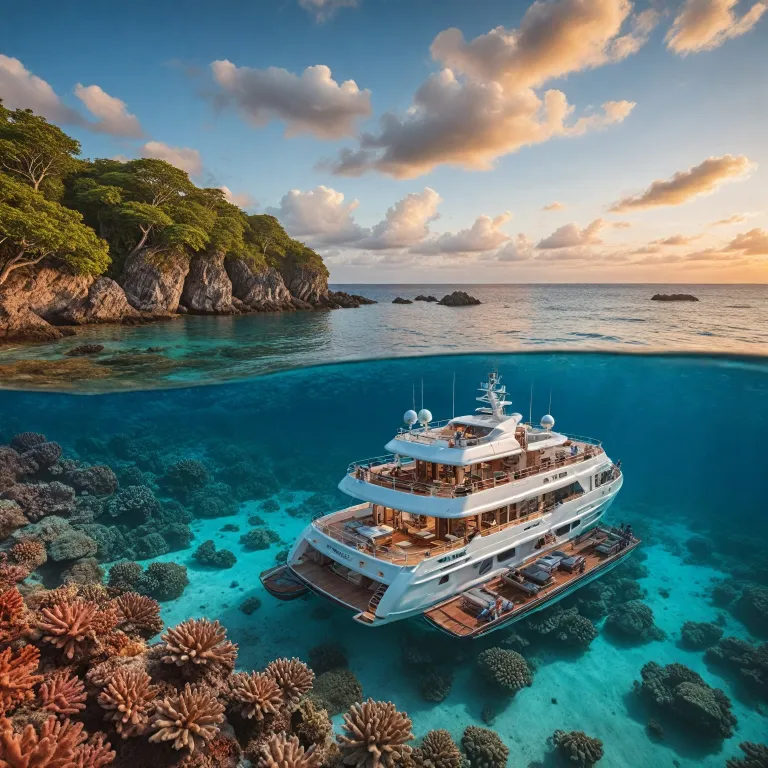
The quiet allure of the world smallest cruise ships for divers
The smallest cruise ship in the world holds a special charm for divers. While large cruise ships dominate the headlines, many underwater enthusiasts quietly seek a small cruise that feels closer to an expedition yacht than a floating resort. On these intimate vessels, the ocean is not a backdrop but the main character.
Among the most striking examples is Celebrity Xploration, operated by Celebrity Cruises as a tiny expedition style cruise ship in the Galápagos. With a gross tonnage of around 320 and a guest capacity of only 16, it sits at the extreme small end of modern cruise ships and feels closer to small yachts than to mainstream ships world wide. This scale makes it a strong candidate whenever travellers debate which vessel might be the world smallest functioning cruise ship that still offers full service and structured itineraries.
For divers, such a small ship means fewer people in the water, quieter decks, and easier logistics at remote cruise ports. The crew to guest ratio is high, so service feels attentive and personal, unlike on a large cruise ship where thousands of guests share the same facilities. When a cruise ship carries only a handful of guests, the team can tailor briefings, adjust dive plans to changing seas, and coordinate with local operators in each destination.
These compact vessels also tend to anchor closer to shore, which shortens tender rides and maximises time in the water. Instead of navigating crowded ports with multiple cruise lines and mega ships, you often slip into smaller bays where only small ships and small yachts can safely anchor. For marine travellers who value immersion over spectacle, this intimacy is the real luxury.
Inside Celebrity Xploration, one of the best small ships for marine travel
Celebrity Xploration illustrates how a small ship can still feel refined and comfortable for serious travellers. The vessel carries only eight cabins, which keeps the guest capacity at sixteen and creates a calm, residential atmosphere between dives and shore excursions. With a crew of about twelve, the capacity gross balance allows staff to learn each guest’s preferences quickly and offer thoughtful, anticipatory service.
On board, the main dining area is compact but elegant, with menus that reflect both international cuisine and local flavours from the Galápagos region. Because the ship is small, dining becomes a social ritual rather than a mass catering exercise, and guests often share stories from the day’s dives or wildlife encounters. This style of service contrasts sharply with the main dining rooms on large cruise ships, where hundreds of guests may be seated at once.
The ship’s length feet measurement is modest compared with mainstream cruise ships, yet the layout is optimised for comfort and function. Public spaces are designed to frame the ocean, so you remain visually connected to the sea between activities, which matters to divers who travel specifically for marine encounters. Amenities include comfortable lounges, outdoor decks, and equipment storage that supports both snorkeling and more advanced underwater exploration.
Celebrity Cruises positions this small cruise vessel as an expedition style product rather than a traditional royal Caribbean style resort at sea. While it does not compete with royal Caribbean or other mega cruise lines on scale, it competes on intimacy, access, and the ability to reach fragile sites where only small ships and small yachts are permitted. For divers, that trade off is usually an advantage rather than a limitation.
Why the smallest cruise ship in the world matters for divers
For divers and marine travellers, the smallest cruise ship in the world is more than a curiosity. A genuinely small ship changes how you interact with the ocean, the crew, and fellow guests, which can transform a standard cruise into a focused expedition. When only a few people share the same tender, the same dive platform, and the same naturalist guides, every briefing and every underwater session feels more tailored.
Celebrity Xploration operates primarily in the Galápagos, but its model resonates with divers who compare small cruise options in regions like the Caribbean or Alaska. In both warm and cold seas, small ships can reach sensitive marine areas where strict regulations limit the size and gross tonnage of visiting vessels. This is one reason why increasing popularity of small ship cruises and small yachts aligns with growing interest in eco friendly travel and low impact marine tourism.
From a practical perspective, a small ship also simplifies logistics at remote cruise ports and landing sites. Fewer guests mean faster embarkation, shorter queues for gear, and more flexible timing when wildlife or sea conditions change unexpectedly. On large cruise ships, even a minor schedule adjustment can affect thousands of people, whereas on a small ship world travellers can pivot quickly to chase better visibility or calmer seas.
For underwater photographers, the intimacy of a small cruise ship is especially valuable. With fewer divers entering the water at once, there is less silt, less crowding on the reef, and more freedom to position for the perfect shot. If you are planning to refine your underwater imaging, resources such as this guide to selecting the best underwater cameras for diving and marine travel pair naturally with the advantages of a small ship environment.
Diving logistics on small ships versus large cruise vessels
Comparing small ships with large cruise vessels reveals important differences for divers. On a large cruise ship, the guest capacity can reach several thousand, and even with efficient cruise lines the logistics of moving people to tenders and dive boats can be slow. In contrast, a small cruise with only a few dozen or even sixteen guests can have everyone geared up and on the water in a fraction of the time.
Small ships also tend to work closely with local operators and environmental organisations, which improves access to niche dive sites. Because their gross tonnage and length feet are modest, these vessels can anchor or moor closer to reefs, channels, and walls that are off limits to mega ships. This proximity reduces transit time and allows more relaxed surface intervals, which is especially valuable in destinations with strong currents or variable seas.
On board Celebrity Xploration, methods such as small group excursions and personalised service are central to the operation. Naturalist guides lead briefings that integrate marine biology, conservation, and practical safety, which enriches each dive beyond simple sightseeing. The operator emphasises that “Book in advance due to limited capacity. Prepare for varying weather conditions in the Galápagos. Engage with naturalist guides for a richer experience.”
By contrast, mainstream cruise lines like royal Caribbean or other celebrity branded ships often prioritise entertainment, shopping, and resort style amenities over intensive marine programming. Their cruise news may highlight new ships world wide, record breaking gross tonnage, or innovative dining concepts rather than access to remote reefs. For divers who care more about ocean immersion than water slides, the best small ship is usually the one that gets them closest to the marine environment with minimal distraction.
Choosing a small cruise ship for Caribbean and Alaska marine adventures
Although Celebrity Xploration focuses on the Galápagos, its approach offers a template for choosing a small cruise ship in the Caribbean or Alaska. In warm water regions, small ships and small yachts can slip into quiet coves, away from the busiest cruise ports and the largest cruise ships. This allows divers to reach coral gardens and walls before day boats arrive, often with better visibility and less boat traffic.
In Alaska, a small ship can navigate narrow fjords and sheltered bays where whales feed and glaciers calve, offering a very different experience from a large cruise ship that must remain in deeper channels. Here, guest capacity and capacity gross figures matter because regulations and safety margins limit which vessels may enter certain areas. When you evaluate cruise lines, look beyond brand names like royal Caribbean or celebrity and focus on the specific ship, its length feet, and its permitted operating zones.
For active marine travellers, equipment choices also influence the experience on board a small cruise. Compact gear such as travel friendly fins and lightweight exposure suits are easier to store in smaller cabins and on tighter dive decks. Resources like this comprehensive guide to choosing freediving portable fins for marine travel can help you pack efficiently for ships where storage is more limited than on mega vessels.
When comparing itineraries, pay attention to how many days are spent at sea versus in active destinations. Some small cruise products emphasise long ocean crossings, while others maximise time in sheltered seas with frequent landings and dives. For divers, the best small itineraries usually combine manageable sea days with multiple opportunities to enter the water, supported by knowledgeable guides and reliable, safety focused service.
Evaluating comfort, service, and value on the best small ships
Comfort on the smallest cruise ship in the world depends less on size and more on design and service philosophy. A well planned small ship can feel spacious if public areas are open, cabins are efficiently arranged, and traffic flows smoothly between decks and the main dining room. On Celebrity Xploration, luxury amenities are balanced with practical features such as gear storage, rinse areas, and shaded outdoor spaces where divers can review photos or log dives.
Service quality is another key differentiator between small ships and large cruise vessels. With a high crew to guest ratio, staff can offer personalised assistance with equipment, special diets, and shore arrangements, which is harder to achieve on a large cruise ship. Many small cruise operators partner with local tour operators and environmental organisations, which adds depth to shore excursions and reinforces a sense of place at each destination.
Value should be assessed in terms of access, time in the water, and educational content rather than only headline price. While fares on the best small ships may appear higher than on mainstream cruise lines, the inclusions often cover guided excursions, expert talks, and sometimes even gear support. For divers, these inclusions can offset the cost of booking separate day trips from ports visited by larger cruise ships.
When you compare options, consider how each cruise ship balances ocean facing cabins, quiet lounges, and practical deck space for marine activities. Look at cruise news and independent reviews that focus on expedition style products rather than only entertainment driven ships world wide. Ultimately, the right small cruise or small yachts experience will align with your priorities as a diver, whether that means maximum dives, wildlife encounters, or a refined yet understated atmosphere at sea.
Key figures and essential questions about small cruise ships for divers
Understanding the technical profile of a candidate for the world smallest cruise ship helps divers plan realistically. Celebrity Xploration, for example, has a gross tonnage of about 320 tons, which places it far below even the smallest mainstream cruise ships in capacity gross terms. With only sixteen passengers and around twelve crew members, the guest capacity ensures a highly personalised environment where names and preferences are quickly remembered.
The ship’s compact length feet and shallow draft allow it to approach shorelines and reefs that are inaccessible to large cruise vessels. This agility is crucial in sensitive marine areas where strict rules govern which ships world wide may enter specific zones. For divers, such access often translates into shorter tender rides, more flexible timing around tides and currents, and more time spent in the water rather than commuting from distant anchorages.
Prospective guests often ask practical questions before committing to a small cruise. “What destinations does Celebrity Xploration visit?” and “How many cabins are available on Celebrity Xploration?” are common queries, along with “What amenities are available on board?” These questions highlight how travellers weigh destination, comfort, and service when choosing between a small ship and a large cruise ship.
As you evaluate options across different cruise lines, remember that the label small ship can cover a wide range of vessels, from intimate yachts to compact expedition ships. Focus on concrete metrics such as gross tonnage, guest capacity, and operational style rather than marketing language alone. By doing so, you will be better positioned to find cruise itineraries that match your diving ambitions and your preferred balance between privacy, comfort, and ocean immersion.
Key statistics about Celebrity Xploration and small ship cruising
- Approximate gross tonnage of Celebrity Xploration : 320 tons.
- Passenger capacity on Celebrity Xploration : 16 guests in eight cabins.
- Crew complement on Celebrity Xploration : about 12 crew members.
- Operating focus : intimate small ship cruises with personalised service in the Galápagos.
Essential questions about the smallest cruise ship in the world
What destinations does Celebrity Xploration visit ?
Celebrity Xploration primarily operates in the Galápagos, sailing through protected seas where strict regulations favour small ships and small yachts over mega vessels. Its itineraries focus on wildlife rich islands, sheltered bays, and marine reserves that are ideal for snorkeling and diving. For travellers comparing cruise lines, this focus on a single, high value destination can be more appealing than broader but less immersive routes.
How many cabins are available on Celebrity Xploration ?
The ship offers eight cabins, which keeps the guest capacity at sixteen and reinforces the intimate feel on board. With so few guests, public spaces, main dining, and deck areas rarely feel crowded, even on sea days. This low density environment is particularly attractive to divers who value quiet preparation time and easy access to gear and tenders.
What amenities are available on board ?
Amenities on Celebrity Xploration include comfortable cabins, refined dining facilities, indoor and outdoor lounges, and well organised spaces for gear and excursion staging. Naturalist guides provide daily briefings and accompany guests on landings and marine activities, adding educational depth to each outing. While the ship is small compared with mainstream cruise ships, the combination of attentive service and thoughtful design supports a relaxed yet purposeful atmosphere for marine focused travel.