New safety rules in the Red Sea: what changes for liveaboards
Egypt is overhauling its Red Sea diving regulations in a way that directly affects liveaboard planning. In late 2025, the Egyptian Ministry of Tourism and Antiquities and the Chamber of Diving and Water Sports (CDWS) confirmed that every diving safari yacht must now sail with at least six certified crew members, a requirement outlined in the updated CDWS liveaboard standards and ministerial decrees published in the Official Gazette, Issue 47 (bis) of 2025. This shift reshapes how smaller operators in Hurghada, Marsa Alam and Sharm el Sheikh structure their trips and staffing plans. For travellers weighing a premium scuba itinerary against a budget option, this new baseline for qualified staff changes what “best value” really means when you are choosing a Red Sea diving holiday in Egypt.
The new safety protocols mandate enhanced equipment checks, stricter emergency drills and clearer briefings before every dive, whether you are planning open water training dives or advanced expeditions to offshore reefs. Official guidance from the Ministry and CDWS FAQs answers a key question directly; “What are the new safety protocols?” and states that “Enhanced equipment checks and emergency procedures” now sit at the core of the Red Sea diving regulations 2026, which also aim to protect marine life and coral reefs from cumulative pressure. For divers used to hopping between Hurghada–Sharm routes with minimal paperwork, the updated framework feels more like the Maldives or Indonesia, where regulated dive centers and codified standards already define serious scuba diving and liveaboard operations. CDWS Circular 12/2025 on liveaboard safety and Circular 03/2026 on crew qualifications spell out the details that operators must now follow on every Red Sea itinerary.
For smaller boats in Egyptian coastal waters, the six-person certified crew rule is the real stress test, because hiring and retaining a fully trained équipe raises operating costs on routes that already run tight margins. Some budget operators in the northern Red Sea may respond by shortening trips, reducing the number of dives per day, or focusing on near-shore dive sites instead of long-range crossings to offshore reefs. One Hurghada-based liveaboard manager estimates that meeting the new staffing standard adds roughly US$1,200–1,500 in crew wages and training costs to a typical week-long voyage, a figure that forces operators to rethink pricing and scheduling. Expect the most resilient dive centers to lean into this shift, marketing their higher crew ratios, better underwater guides and stronger safety culture as a reason to book a slightly pricier trip rather than chasing the absolute lowest Red Sea liveaboard fare.
Hyperbaric upgrades, reef protections and what they mean underwater
Sharm el Sheikh’s hyperbaric medical centre is being expanded and upgraded, a move that tightens the safety net for divers heading towards the southern offshore circuit of Daedalus, Elphinstone and the Brothers. According to CDWS safety circulars and local health authority announcements, the project is scheduled in phases through 2025–2026, with additional treatment capacity and updated recompression facilities. Faster decompression treatment access from this hub reduces the risk profile of ambitious itineraries that link Sharm, Hurghada and Marsa Alam on one extended trip. For visitors planning a long Red Sea voyage with multiple deep dives, this upgrade makes complex underwater routes feel more aligned with international best practice in marine emergency care and hyperbaric medicine.
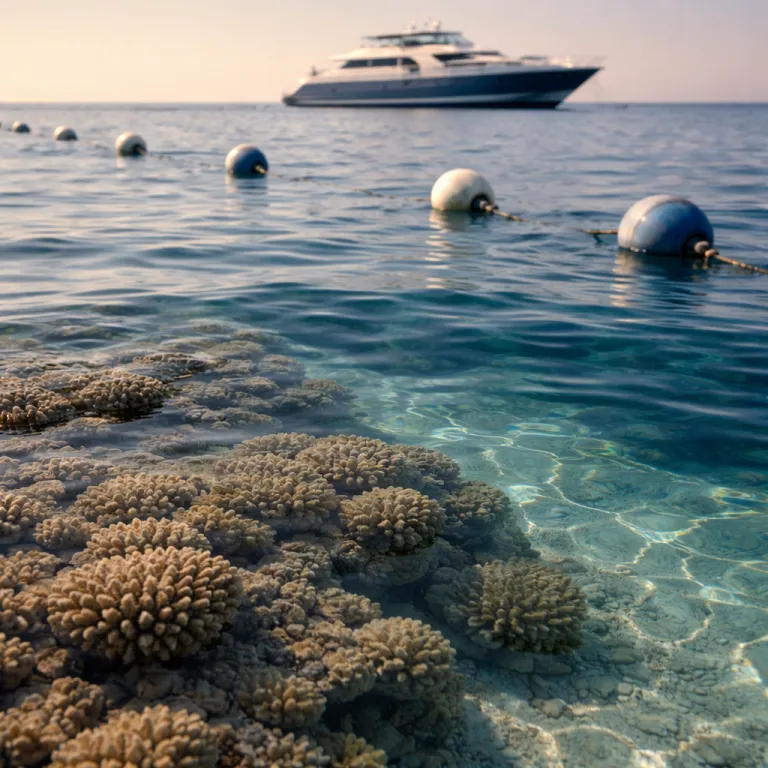
Environmental protection sits alongside safety in the Red Sea diving regulations 2026, with eco mooring systems and stricter reef interaction rules designed to slow the estimated twenty percent coral reef coverage loss since the early millennium. That figure, drawn from long-term monitoring by the Red Sea Protectorates and regional studies cited by Egypt’s Ministry of Environment, including a 2023 synthesis report on coral status in the northern Red Sea, reflects cumulative stress from tourism, coastal development and warming seas. The official FAQ confirms that “Are there new environmental guidelines?” is answered with “Yes, including eco-mooring and reef protection measures” and that operators must meet stricter certification standards to keep accessing top Red Sea dive sites. In practice, that means more buoys, fewer anchors on fragile coral reefs, tighter limits on group sizes at marquee locations such as the Blue Hole and more pressure on guides to police buoyancy and camera etiquette around sensitive marine life.
For visiting divers, the question is whether these protections will restrict access to the best underwater experiences or simply refine them. Expect some rotation of boats through high demand zones, especially around Sharm el Sheikh and the Hurghada–Sharm corridor, with time slots and capped numbers at signature reefs to prevent crowding in clear water. Between dives, the culture on board is likely to shift as well, with more structured briefings on marine life behaviour, reef-safe sunscreen and even food and hydration planning inspired by global best practice in what to eat between dives, a topic explored in depth in this guide to food culture in the world’s great dive towns.
Pricing, competition and how Egypt now compares globally
Compliance with the Red Sea diving regulations 2026 carries real costs for operators, from crew training to new safety gear and eco moorings, yet the region remains one of the best value for money liveaboard destinations worldwide. Classic Egyptian routes still undercut many Maldives and Indonesia itineraries on price, even as modern yachts in the Red Sea add higher comfort levels and more rigorous safety systems. The likely outcome is a gentle rise in trip prices on some routes, offset by fierce competition between established dive centers in Hurghada, Marsa Alam and Sharm el Sheikh that are determined to keep divers on their boats rather than losing them to other marine destinations.
For travellers choosing between a week of scuba diving in Egypt and a similar length trip in the Maldives, the calculus now tilts more clearly towards safety parity, especially on complex open water expeditions to remote reefs. Egypt’s regulators aim to ensure that “Operators must meet stricter certification standards” so that divers can expect consistent procedures whether they are logging their first dives on sheltered house reefs or tackling advanced itineraries around offshore walls. When you compare this to destinations where enforcement is looser, the combination of clear rules, active inspections and a growing culture of eco-friendly diving makes the Red Sea a more reassuring choice for those who value both marine life encounters and robust back up.
Planning ahead becomes essential, particularly for high season trips that target top Red Sea dive sites and iconic locations such as the Blue Hole or the offshore coral reefs between Hurghada and Marsa Alam. Booking with operators that publish their safety protocols, detail their crew qualifications and explain how they implement eco mooring and reef protection gives you a transparent view of how your money supports responsible marine travel. For readers who appreciate granular mapping of walls, currents and signature reefs, the same analytical approach used in this elegant dive map of signature reefs and walls or in this profile of local wildlife guides for marine travelers now applies equally to choosing Red Sea operators, where the right underwater guide and a well-run dive programme matter more than the thread count in your cabin.