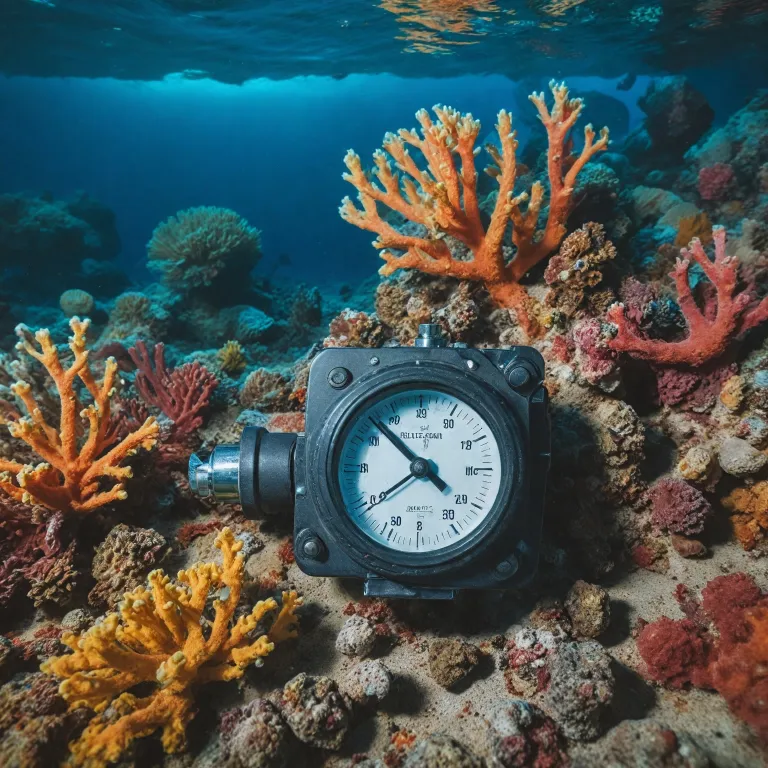
Understanding the factors that influence how long a scuba tank will last
When planning a dive, one of the most crucial considerations is how long your scuba tank will last underwater. The duration of your air supply depends on several interconnected factors, including tank size, depth, breathing rate, and overall air consumption. Every diver must understand that the deeper you go, the faster your air tank will be depleted due to increased pressure. For instance, at 30 meters, your air consumption rate can be up to four times higher than at the surface, making dive time management essential for safety and enjoyment.
Scuba tanks come in various sizes, typically measured in liters or cubic feet, such as the common 12-liter (80 cubic foot) tank. The pressure inside the tank, often around 3000 psi for standard models, determines the total volume of air available. However, the actual time a scuba tank will last is not just a function of tank size but also of the diver's air consumption rate and the depth at which the dive occurs. Efficient air management and understanding your personal breathing rate are key to maximizing underwater time.
Many divers use a log register to track previous dives and analyze their air consumption patterns. This practice helps determine how long a scuba tank will last for each individual, taking into account their unique physiology and diving habits. Dive instructors often emphasize the importance of monitoring your air supply and adjusting your dive plan based on real-time consumption data.
Calculating your air consumption rate and dive time
To accurately estimate how long your scuba tank will last, you must calculate your Surface Air Consumption (SAC) rate. The SAC rate measures the amount of air a diver consumes at the surface, usually expressed in liters per minute or cubic feet per minute. This figure is then adjusted for depth, as increased pressure at greater depths causes your air consumption rate to rise. For example, if your SAC rate is 20 liters per minute at the surface, at 20 meters (where pressure is three times that of the surface), your consumption rate would be 60 liters per minute.
Determining your SAC rate involves recording your starting and ending tank pressure, the tank size, and the duration of your dive. Divide the total air used by the number of minutes spent underwater to find your average air minute consumption. This calculation allows divers to plan their dive time more effectively, ensuring they have sufficient air supply for the entire dive, including a safety margin for ascent. Dive computers and modern gauges can assist in monitoring these metrics in real time, providing valuable feedback during the dive.
It is essential to remember that factors such as exertion, water temperature, and buoyancy control can influence your consumption rate. As one expert notes, "Practice slow, deep breathing, maintain proper buoyancy, and avoid unnecessary exertion during the dive." For those interested in the technical aspects of dive planning, our detailed analysis of air consumption rates offers further insights.
Impact of depth and tank size on air supply duration
The relationship between depth, tank size, and air supply duration is fundamental to understanding how long a scuba tank will last. As you descend, the ambient pressure increases by one atmosphere every 10 meters, causing each breath to use more air from the tank. This means that a diver at 30 meters will consume air four times faster than at the surface. Selecting the appropriate tank size for your planned depth and dive time is therefore critical.
Standard scuba tanks range from 10 liters (70 cubic feet) to 15 liters (100 cubic feet), with the 12-liter (80 cubic foot) tank being the most common. The choice of tank will affect not only your maximum dive time but also your comfort and buoyancy underwater. Divers with higher air consumption rates or those planning longer dives at greater depths may opt for larger tanks to extend their underwater experience. However, carrying a larger tank also means increased weight and potential changes in buoyancy characteristics.
To help you make informed decisions, our guide to selecting the right scuba tank size explores the pros and cons of different tank capacities. Always consider your personal air consumption rate, planned depth, and dive duration when choosing a tank. Monitoring your air supply and adjusting your dive plan accordingly is essential for safety and enjoyment.
Techniques and innovations to extend your dive time
Advancements in scuba diving technology and improved diving techniques have made it possible for divers to extend their dive time safely. Modern dive computers provide real-time data on depth, tank pressure, and air consumption, allowing divers to adjust their breathing rate and buoyancy for maximum efficiency. Practicing slow, controlled breathing and maintaining proper buoyancy are proven methods to reduce air consumption and make your air tank last longer underwater.
Equipment manufacturers have developed more efficient regulators that minimize air loss and improve the delivery of air to the diver. The growing popularity of nitrox and rebreathers has also contributed to longer dive times by optimizing the gas mixture and recycling exhaled air. Dive instructors emphasize the importance of training and experience in mastering these techniques, as even small improvements in breathing rate and buoyancy control can significantly extend your dive time.
Environmental factors, such as water temperature and current, can also impact your air consumption rate. As another expert explains, "Yes, colder water can increase air consumption due to the body's response to cold and thicker wetsuit resistance." By understanding and adapting to these variables, divers can maximize the duration of their scuba tank and enjoy longer, safer dives.
Best practices for monitoring and managing your air supply
Effective air supply management is essential for every scuba diver, regardless of experience level. Regularly checking your tank pressure and monitoring your air consumption rate throughout the dive are critical habits that enhance safety and prevent emergencies. Dive instructors recommend using a log register to track your dives, noting the tank size, starting and ending pressure, depth, and dive time to identify patterns in your air usage.
Planning your dive and adhering to the plan are fundamental principles of safe scuba diving. Always ensure you have a sufficient air reserve to allow for a safe ascent and any unexpected situations. As highlighted in expert guidance, "Plan your dive and dive your plan. Monitor your air supply regularly during the dive. Ascend with a safety margin of air remaining." These practices, combined with regular equipment checks and proper maintenance, help ensure your scuba tank will last as long as needed for a safe and enjoyable dive.
Working closely with dive instructors and equipment technicians can further enhance your understanding of air consumption and tank management. Dive shops often offer training sessions and workshops focused on air management and emergency procedures, providing valuable opportunities for divers to improve their skills and knowledge.
Real-world examples and case studies from experienced divers
Experienced scuba divers often share valuable insights into how long a scuba tank will last under various conditions. For example, an average dive time with an 80 cubic foot tank at 10 meters is approximately 40 minutes, but this can vary widely based on the diver's breathing rate and activity level. Divers who maintain a low sac rate and practice efficient air consumption can often extend their dive time significantly, even with standard tank sizes.
Case studies highlight the importance of adapting your dive plan to match your personal air consumption rate and the specific conditions of each dive. For instance, divers exploring deeper wrecks or engaging in underwater photography may find their air supply depletes more rapidly due to increased exertion and depth. By analyzing dive logs and learning from past experiences, divers can better predict how long their air tank will last and make informed decisions about tank size and dive duration.
Collaboration with dive instructors, equipment manufacturers, and dive shops ensures access to the latest innovations and best practices in air management. Marine biologists and underwater photographers also contribute to the body of knowledge on air consumption, sharing their experiences from extended dives in challenging environments. These real-world examples underscore the importance of continuous learning and adaptation in scuba diving.
Key statistics on scuba tank duration and air consumption
- Average dive time with an 80 cubic foot tank at 10 meters: 40 minutes
- Air consumption rate increases by four times at 30 meters depth compared to the surface
- Standard aluminum 80 cubic foot tank pressure: 3000 psi
Frequently asked questions about scuba tank duration
How can I extend the duration of my scuba tank?
Practice slow, deep breathing, maintain proper buoyancy, and avoid unnecessary exertion during the dive.
Does water temperature affect air consumption?
Yes, colder water can increase air consumption due to the body's response to cold and thicker wetsuit resistance.
What is a Surface Air Consumption (SAC) rate?
SAC rate is a measure of the amount of air a diver consumes at the surface, used to estimate air consumption at different depths.
- https://newscod.com/blog/how-long-does-a-scuba-air-tank-last-underwater/
- https://www.omegadivers.com/how-long-does-a-scuba-tank-last/
- https://www.padi.com/scuba-diving/about-scuba-diving/