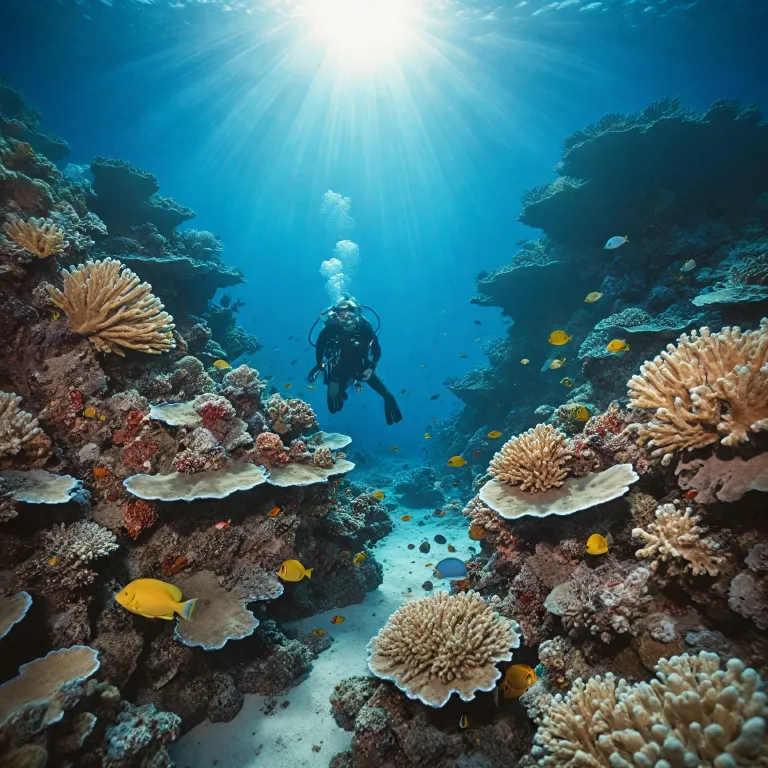
Understanding the path to scuba certification: what every diver should know
Becoming a certified scuba diver opens a world of underwater adventure, but the journey begins with a structured process designed for safety and confidence. The scuba certification process is globally standardized by leading agencies such as PADI, NAUI, SSI, and CMAS, ensuring that every diver receives comprehensive training. This process includes theoretical knowledge development, confined water training, and open water dives, each building essential skills for safe and enjoyable diving.
To start, aspiring divers must select a reputable dive center affiliated with a recognized certification agency. This choice is crucial, as the quality of diver training and the expertise of the instructor directly influence your learning experience. The open water diver course typically spans three to four days, blending classroom or e-learning modules with practical pool sessions and real-world open water dives.
During the knowledge development phase, you will learn about scuba diving principles, equipment, safety protocols, and underwater communication. Theoretical instruction can be completed in a classroom or online, allowing flexibility for travelers and busy professionals. As you progress, your understanding of dive gear, water conditions, and diver safety will deepen, preparing you for hands-on training.
Confined water sessions, usually held in a pool, allow you to practice essential scuba skills under the supervision of a certified instructor. These sessions focus on mastering buoyancy, mask clearing, regulator recovery, and emergency procedures. The goal is to ensure every diver feels comfortable and competent before moving to open water dives.
Once you demonstrate proficiency in the pool, you will advance to open water dives at a local dive site. Here, you will apply your skills in real-world conditions, experiencing the thrill of underwater exploration while under the watchful eye of your instructor. Successful completion of these dives leads to your official diver certification, granting you the freedom to explore dive sites worldwide.
Choosing the right dive center and instructor for your scuba journey
Selecting the ideal dive center is a pivotal step in your scuba certification journey. Not all dive centers offer the same level of service, equipment, or instructor expertise, so careful research is essential. Look for centers affiliated with established certification agencies such as PADI, NAUI, SSI, or CMAS, as these organizations uphold rigorous standards for diver training and safety.
When evaluating a dive center, consider the experience and credentials of the instructors. A qualified PADI instructor or equivalent professional will guide you through each phase of the course, ensuring you develop strong scuba skills and confidence underwater. Ask about the instructor-to-student ratio, as smaller groups often allow for more personalized attention and feedback.
Inspect the quality and maintenance of the scuba gear provided by the dive shop. Reliable equipment is vital for safety and comfort during both confined water and open water dives. Many centers offer rental gear, but you may also choose to invest in your own dive gear as you progress in your diving journey.
Location is another key factor. Some divers prefer to complete their training locally, while others combine their diver course with travel to a renowned dive site. Many dive centers now offer e-learning modules, allowing you to complete the knowledge development portion online before arriving at your chosen destination. This approach maximizes your time for practical training and underwater exploration.
Health and fitness requirements should not be overlooked. Ensure you meet the physical standards set by the certification agency, as diving can be physically demanding. If you have any medical conditions, consult with a physician experienced in dive medicine before enrolling in a course.
Mastering essential scuba skills: from pool training to open water dives
The heart of any diver course lies in the development of practical scuba skills, which are first introduced in confined water settings. These sessions, typically conducted in a pool, provide a controlled environment for learning and mastering the fundamentals of scuba diving. Under the guidance of a certified instructor, you will practice assembling and using scuba gear, achieving neutral buoyancy, and managing common underwater challenges.
Key skills covered during confined water training include mask clearing, regulator recovery, controlled ascents and descents, and emergency air-sharing procedures. Each exercise is designed to build your confidence and competence, ensuring you are prepared for the unpredictable nature of open water environments. The instructor will assess your progress and provide feedback, helping you refine your technique and address any concerns.
Once you demonstrate proficiency in the pool, you will transition to open water dives at a designated dive site. Here, you will apply your skills in real-world conditions, adapting to changes in visibility, currents, and marine life. The open water portion of the course typically includes four dives, each focusing on different aspects of diver training and underwater navigation.
Throughout the process, you will use a full set of scuba gear, including a mask, snorkel, fins, buoyancy control device (BCD), regulator, and tank. Dive computers or depth gauges are also introduced, teaching you how to monitor your depth and bottom time for safe diving. The instructor will emphasize the importance of proper gear maintenance and pre-dive safety checks.
By the end of your open water dives, you will have demonstrated the skills and knowledge required for safe, independent diving. This achievement marks the culmination of your diver certification journey, opening the door to new underwater adventures.
The role of theory and e-learning in modern scuba certification
Theoretical knowledge is a cornerstone of scuba certification, providing the foundation for safe and responsible diving. Modern diver courses integrate classroom instruction with innovative e-learning platforms, allowing students to learn at their own pace and convenience. This blended approach ensures that every diver understands the principles of pressure, buoyancy, gas management, and dive planning before entering the water.
E-learning modules cover essential topics such as dive tables, decompression theory, and the physiological effects of diving. Interactive quizzes and multimedia content enhance the learning experience, making complex concepts accessible and engaging. Many certification agencies, including PADI and SSI, have embraced online learning to accommodate the needs of travelers and those with busy schedules.
Completing the knowledge development portion online allows you to maximize your time for practical training once you arrive at the dive center. You will review your progress with your instructor, address any questions, and participate in additional classroom sessions as needed. This flexible approach is particularly beneficial for marine travel enthusiasts who wish to combine their diver course with a holiday at a remote dive site.
In addition to core theory, many dive centers offer specialty courses in areas such as underwater photography, wreck diving, and marine conservation. These programs build on the foundation established during your initial certification, allowing you to expand your skills and explore new interests.
As the diving community continues to embrace digital innovation, the availability of online learning modules is expected to grow. This trend supports the global standardization of diver training and enhances the accessibility of scuba certification for enthusiasts worldwide.
Safety, standards, and the global impact of diver certification
Scuba certification is more than a personal achievement; it plays a vital role in promoting safety and environmental stewardship within the diving community. Certification agencies such as PADI, NAUI, SSI, and CMAS establish rigorous standards for diver training, equipment, and instructor qualifications. These standards are designed to reduce the risk of diving-related accidents and ensure that every diver is equipped with the knowledge and skills necessary for safe underwater exploration.
Certified divers are trained to recognize and manage potential hazards, from equipment malfunctions to changes in water conditions. The emphasis on safety protocols, emergency procedures, and environmental awareness is woven throughout every stage of the diver course. As a result, certified divers contribute to the preservation of marine ecosystems by practicing responsible diving and supporting conservation initiatives.
The global impact of diver certification is reflected in the widespread adoption of standardized training programs and the growth of the recreational diving industry. According to the Professional Association of Diving Instructors, over 28 million PADI certifications have been issued worldwide, highlighting the popularity and reach of scuba diving as a leisure activity.
“Is scuba certification valid for life? Yes, scuba certifications are generally valid for life, but it's recommended to take refresher courses if you haven't dived in a while.” This expert guidance underscores the importance of ongoing education and skill maintenance for all divers.
By adhering to established standards and embracing a culture of safety, the diving community continues to foster trust, credibility, and environmental responsibility on a global scale.
Planning your first scuba adventure: tips for new divers and marine travelers
After earning your diver certification, the world’s most breathtaking dive sites become accessible for exploration. Planning your first scuba adventure requires careful consideration of destination, dive center, and travel logistics. Research popular marine travel destinations known for their vibrant underwater ecosystems, such as the Great Barrier Reef, the Red Sea, or the Maldives.
When selecting a dive center abroad, verify its affiliation with recognized certification agencies and review feedback from previous divers. Many centers cater to newly certified divers, offering guided dives and additional training to build your confidence. Pack your personal scuba gear if possible, or confirm the availability and quality of rental equipment at your chosen location.
Consider enrolling in specialty courses or guided dives to enhance your skills and experience. Many destinations offer unique opportunities, such as night diving, drift diving, or encounters with specific marine species. These experiences not only enrich your diving journey but also contribute to your ongoing development as a responsible water diver.
Travel insurance that covers scuba diving is essential, as it provides peace of mind in case of unforeseen events. Familiarize yourself with local regulations, marine conservation efforts, and environmental guidelines to ensure your dives have a positive impact.
Continuing education and specialty courses: advancing your scuba skills
The journey does not end with your initial diver certification; continuing education is key to expanding your scuba skills and exploring new underwater environments. Advanced diver training programs, such as the PADI Advanced Open Water Diver course, introduce more complex dive scenarios and specialty skills. These courses build on the foundation established during your open water training, allowing you to tackle deeper dives, navigation challenges, and specialty interests.
Specialty courses cover a wide range of topics, including underwater photography, wreck diving, deep diving, and marine conservation. Each program is designed to enhance your knowledge, refine your technique, and increase your confidence as a diver. Many certification agencies offer flexible learning options, combining online modules with practical training at a local or international dive site.
Participating in continuing education not only improves your skills but also opens doors to new travel opportunities and dive experiences. As you progress, you may choose to pursue professional certifications, such as Divemaster or Instructor, enabling you to share your passion for scuba diving with others.
Ongoing training and experience are essential for maintaining safety and competence in the water. Regular practice, refresher courses, and participation in dive community events help keep your skills sharp and your knowledge up to date.
For those interested in advancing their scuba journey, explore the latest specialty courses and advanced diver training programs available through leading certification agencies and dive centers worldwide.
Key statistics on scuba certification and diver training
- Number of PADI certifications issued worldwide: 28,000,000 certifications
- Average cost of Open Water Diver certification in the U.S.: 500 USD
Frequently asked questions about scuba certification
How long does it take to get scuba certified?
The certification process typically takes 3-4 days, including theoretical instruction, confined water training, and open water dives.
Is scuba certification valid for life?
Yes, scuba certifications are generally valid for life, but it's recommended to take refresher courses if you haven't dived in a while.
What is the minimum age to get scuba certified?
The minimum age varies by agency; for example, PADI offers a Junior Open Water Diver certification for individuals as young as 10 years old.