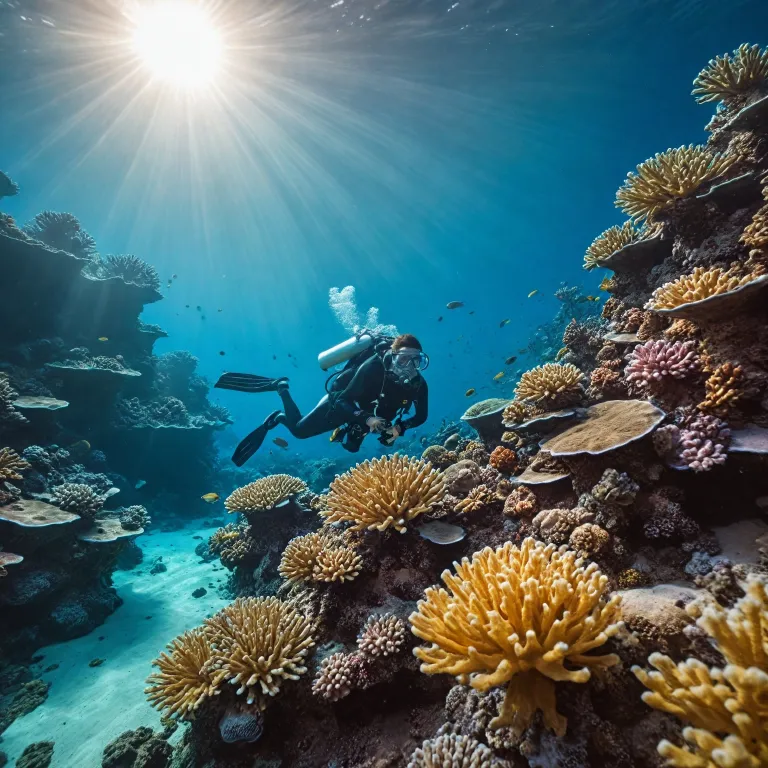
Understanding marine environments for exceptional underwater photography
Marine life photography tips begin with a deep understanding of the sea and its diverse ecosystems. The marine world offers a vast array of wildlife, from whales and dolphins to sea lions and colorful fish marine, each requiring unique approaches for effective photography. Knowing the behaviors and habitats of marine animals will help you anticipate moments and position yourself for the best photos. Underwater photography demands respect for the environment, so always keep in mind local regulations and ethical guidelines when interacting with marine wildlife.
Lighting conditions beneath the water's surface differ dramatically from those on land. The deeper you go, the more color is lost, making color balance a critical aspect of marine life photography tips. Using artificial lighting such as strobes or underwater lights can restore the vibrant hues of marine animals and plants. Employing a lens hood and adjusting your camera's white balance settings will help you capture true-to-life images, especially when photographing mammals sea or elusive marine wildlife.
For those passionate about marine photography, British Columbia and the west coast are renowned for their rich biodiversity and clear waters. These locations provide ample opportunities to photograph whales, dolphins, and a variety of marine animals. To further enhance your skills, consider collaborating with marine biologists or joining guided expeditions, which will help you learn more about the sea and its inhabitants while refining your wildlife photography techniques.
Essential equipment and camera settings for underwater photography
Choosing the right camera and accessories is fundamental for successful underwater photography. Modern mirrorless cameras and DSLRs, paired with waterproof housings, are the preferred tools for capturing high-quality marine life images. Selecting the appropriate lens is equally important; a wide angle lens is ideal for photographing large marine animals like whales and dolphins, while a long lens is perfect for close-ups of smaller marine wildlife or fish marine.
Understanding camera settings is crucial for adapting to underwater conditions. Adjusting ISO, shutter speed, and aperture will help you manage light and movement in the water. "White balance is crucial to correct color casts caused by water filtering out certain wavelengths of light, ensuring accurate and vibrant colors in underwater images." This advice is especially relevant when shooting in varying depths, as the sea absorbs different colors at different rates. Using a lens hood can minimize glare and protect your lens from accidental bumps against rocks or marine animals.
Strobe width and placement are key factors in reducing backscatter and illuminating your subjects effectively. "To prevent backscatter, get close to your subject, position strobes properly to avoid illuminating particles between the lens and subject, and shoot in clear water conditions." This tip will help you achieve crisp, clear photos of marine wildlife, even in challenging environments. For more in-depth guidance on camera gear and settings, explore our comprehensive underwater photography equipment guide.
Techniques for capturing dynamic marine wildlife images
Mastering marine life photography tips involves learning techniques that adapt to the unpredictable nature of the sea. Patience and observation are essential when photographing marine animals, as their movements can be sudden and erratic. Anticipating their behavior, such as the surfacing of whales dolphins or the playful antics of sea lions, will help you capture compelling wildlife photography moments.
Utilizing both wide angle and long lens options allows you to create diverse images, from sweeping underwater landscapes to intimate portraits of marine wildlife. Adjusting your shutter speed is vital for freezing fast-moving animals or creating artistic motion blur in your photos. Experiment with different ISO settings to balance exposure and minimize noise, especially in low-light underwater environments.
For those interested in creating great video content, many modern cameras offer high-resolution video capabilities alongside still photography. This feature is particularly useful for documenting the behaviors of marine animals and sharing immersive experiences with a wider audience. To further refine your skills, consider participating in workshops or connecting with experienced marine life photographers through platforms like marine photography communities.
Optimizing color balance and post-processing for underwater images
One of the most challenging aspects of marine life photography tips is achieving accurate color balance in underwater images. Water absorbs and scatters light, causing colors to shift and fade with depth. Using color-correcting filters and adjusting white balance settings in your camera will help restore the natural hues of marine animals and plants.
Post-processing is an integral part of underwater photography, allowing you to enhance images and correct any color imbalances. Software tools can help adjust exposure, contrast, and saturation, bringing out the vivid details of marine wildlife. The integration of AI for image enhancement and species identification is a growing trend, offering new possibilities for both amateur and professional photographers.
When editing your photos, keep in mind the importance of maintaining a natural look. Over-processing can result in unrealistic images that do not accurately represent the beauty of the sea and its inhabitants.
Ethical considerations and conservation in marine wildlife photography
Ethics play a central role in marine life photography tips, especially when interacting with sensitive marine wildlife. Always prioritize the well-being of marine animals and avoid disturbing their natural behaviors for the sake of a photo. "The best camera depends on individual needs, but popular choices include mirrorless cameras like the Sony A7 series and DSLRs like the Canon 5D series, both known for their image quality and compatibility with underwater housings." This quote highlights the importance of choosing equipment that allows you to capture images efficiently without causing harm.
Working with marine biologists and conservation organizations can deepen your understanding of marine ecosystems and promote responsible photography practices. Many marine animals, including whales dolphins and sea lions, are protected by regulations that restrict close interaction or flash photography. Always research local guidelines before embarking on a marine photography expedition to ensure compliance and minimize your impact on marine life.
Sharing your wildlife photography and underwater photography images can raise awareness about marine conservation and inspire others to protect the sea. By showcasing the beauty and diversity of marine animals, your photos and great video content contribute to ongoing efforts to preserve marine ecosystems for future generations.
Planning and executing successful marine photography expeditions
Preparation is key to a successful marine life photography trip. Research dive sites known for rich marine biodiversity, such as British Columbia and the west coast, to maximize your chances of encountering diverse marine wildlife. Ensuring proper training and certification in underwater photography will help you handle challenging conditions and capture high-quality images safely.
Partnering with experienced dive operators and marine research institutions can provide valuable insights and logistical support. These collaborations will help you access remote locations and learn about the best times and conditions for photographing specific marine animals. Always check local regulations regarding marine life interaction and photography to avoid legal issues and ensure ethical practices.
When planning your expedition, consider the type of camera, lens, and accessories you will need for your target subjects. Packing a variety of lenses, including wide angle and long lens options, will help you adapt to different scenarios and capture a range of marine wildlife images. Remember to bring spare batteries, memory cards, and maintenance tools to keep your equipment in optimal condition throughout your journey.
Showcasing and sharing your marine wildlife photography
Once you have captured stunning marine life images, sharing your work with a wider audience can amplify its impact. Creating a portfolio of your best wildlife photography and underwater photography photos allows you to showcase the diversity of marine animals and the beauty of the sea. Consider submitting your images to marine photography competitions or collaborating with conservation organizations to raise awareness about marine wildlife.
Utilizing social media platforms and online galleries will help you reach a global audience and connect with fellow marine life photographers. Engaging with the community through comments, feedback, and sharing tips will help you learn and grow as a photographer. High-quality images and great video content can also be used in educational materials, documentaries, and scientific publications, furthering the goals of marine conservation.
Remember that every photo and video you share has the potential to inspire others to appreciate and protect the marine environment. By following these marine life photography tips and continually refining your skills, you contribute to a greater understanding and appreciation of the world's oceans and the incredible wildlife they support.
Key statistics on marine life photography
- Number of known marine species: 230,000 species (World Register of Marine Species)
- Annual revenue of underwater photography equipment market: 500 million USD (Market Research Reports)
Frequently asked questions about marine life photography tips
What is the best camera for underwater photography?
The best camera depends on individual needs, but popular choices include mirrorless cameras like the Sony A7 series and DSLRs like the Canon 5D series, both known for their image quality and compatibility with underwater housings.
How do you prevent backscatter in underwater photos?
To prevent backscatter, get close to your subject, position strobes properly to avoid illuminating particles between the lens and subject, and shoot in clear water conditions.
What is the importance of white balance in underwater photography?
White balance is crucial to correct color casts caused by water filtering out certain wavelengths of light, ensuring accurate and vibrant colors in underwater images.
References: World Register of Marine Species, Market Research Reports, Marine Biologists Association