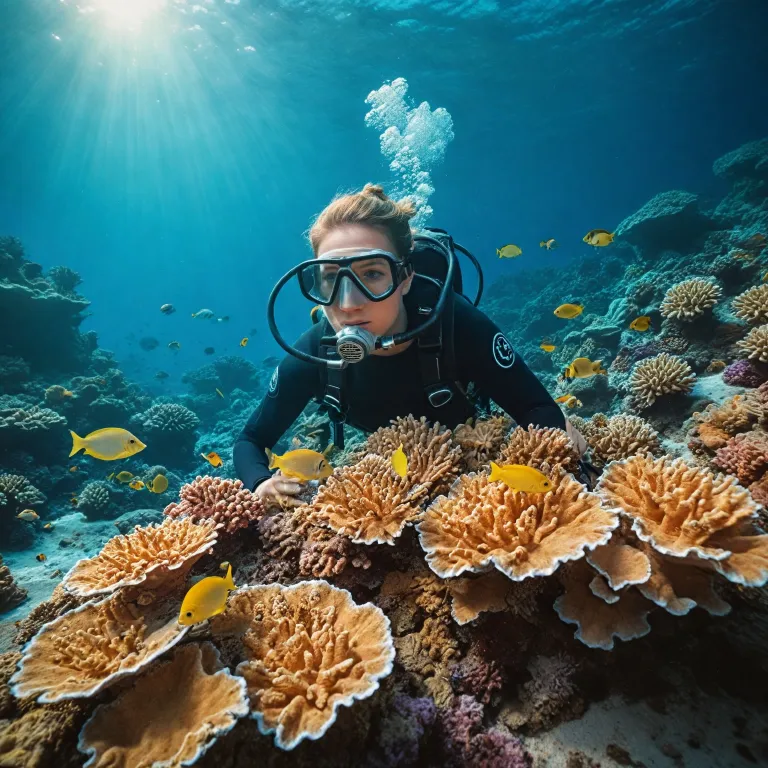
Understanding the fundamentals: what every beginner scuba diver must know
Embarking on your first dive can be both exhilarating and daunting. As a beginner, understanding the core principles of scuba diving is crucial for safety and enjoyment. Before you start diving, familiarize yourself with the essential gear: mask, fins, regulator, buoyancy control device (BCD), and tank. Each piece of scuba gear plays a vital role in your underwater experience, ensuring you can breathe, move, and stay safe in salt water environments. Dive centers typically provide comprehensive training, including classroom instruction and pool practice, to help beginners build confidence before their first open water dives.
Scuba instructors are certified professionals who guide beginners through the learning process, emphasizing the importance of safety protocols and environmental stewardship. During your initial training, you will learn how to communicate underwater, manage your air supply, and respond to potential challenges. These foundational skills are reinforced through repeated dives, allowing beginners to gain practical experience in a controlled setting. It is essential to keep practicing these skills, as repetition builds muscle memory and confidence for future dive trips.
Choosing a reputable dive center with experienced instructors is a key tip for beginners. Look for centers affiliated with recognized certification agencies, such as PADI or SSI, to ensure high standards of training. The timeline for obtaining your open water certification typically ranges from three to seven days, depending on your progress and the program structure. Remember, every diver was once a beginner; patience and persistence will help you become a confident scuba diver ready to explore marine life and new dive sites.
Preparing for your first dive trip: essential tips for beginners
Preparation is the cornerstone of a successful and enjoyable dive trip, especially for beginners. Before going underwater, ensure you meet the health and fitness requirements for scuba diving. Basic swimming skills are generally required for certification, as they contribute to your safety and comfort in the water. If you are prone to motion sickness, consider taking preventive measures before boarding the boat, as this can significantly affect your experience during dives.
Familiarize yourself with the local diving conditions, regulations, and marine life you may encounter at your chosen dive site. Researching the area and speaking with the boat crew or dive center staff can provide valuable insights into what to expect. Packing the right scuba gear is another critical tip for beginners; double-check your equipment, including your dive computer and safety gear, before leaving for your trip. If you are renting gear, arrive early to ensure a proper fit and to address any concerns with the dive center staff.
During your first dive trip, keep communication open with your dive buddy and instructors. They are there to support you and answer any questions you may have. Do not hesitate to ask for clarification or assistance, as this will help you feel more at ease underwater. Remember, preparation and a positive mindset are key to a memorable and safe diving experience.
Mastering scuba diving skills: from open water to night dives
Skill mastery is a gradual process for every beginner scuba diver. The journey typically begins with confined water training, where you practice essential techniques in a controlled environment. Once comfortable, you will progress to open water dives, where real-world conditions introduce new challenges and opportunities for growth. Each dive builds your confidence and hones your abilities, preparing you for more advanced experiences such as night dives and underwater photography.
Night dives offer a unique perspective on marine life, revealing nocturnal creatures and behaviors not seen during the day. As a beginner, it is important to follow your scuba instructor’s guidance and use appropriate lighting equipment. Always dive with a buddy and maintain close communication, as visibility and orientation can be more challenging at night. These experiences not only enhance your skills but also deepen your appreciation for the underwater world.
Consistent practice and feedback from instructors and dive buddies are invaluable for skill development. Take advantage of every opportunity to participate in different types of dives, as each scenario will teach you something new. Remember, every dive is a chance to learn, improve, and enjoy the wonders of the ocean.
Building confidence underwater: working with dive buddies and instructors
Confidence is built through experience, support, and effective communication. As a beginner scuba diver, your relationship with your dive buddy and instructor is fundamental to your success. Dive buddies provide companionship and assistance during dives, ensuring that you are never alone underwater. This partnership enhances safety and allows both divers to share the excitement of discovering marine life and new dive sites.
Scuba instructors play a critical role in guiding beginners through each stage of training. Their expertise and authority instill trust, helping you overcome initial fears and uncertainties. During your training, you will learn to don your gear correctly, perform safety checks, and respond to common challenges such as equipment malfunctions or changes in water conditions. These skills are essential for building self-reliance and confidence on every dive trip.
Open communication is key to a successful diving experience. Always discuss your comfort level, concerns, and goals with your instructor and dive buddy before each dive. This collaborative approach fosters a supportive environment where beginners can thrive. Remember, confidence grows with each dive, and the support of your team is invaluable on your journey to becoming a skilled scuba diver.
Ensuring safety and environmental responsibility on every dive
Safety is the foundation of every successful dive, especially for beginners. Adhering to established protocols and guidelines reduces the risk of accidents and ensures a positive experience for all divers. Always conduct pre-dive safety checks with your dive buddy and follow the instructions of your scuba instructor. Monitoring your air supply, depth, and time underwater is essential for avoiding common hazards such as decompression sickness.
Environmental responsibility is equally important in scuba diving. As you explore marine life and underwater ecosystems, practice good buoyancy control to avoid damaging coral reefs or disturbing wildlife. Many dive centers emphasize eco-friendly practices, encouraging divers to minimize their impact on the environment. This commitment to conservation not only protects marine habitats but also enhances the quality of your diving experience.
Participating in local conservation initiatives or underwater cleanups can further your understanding of environmental stewardship. These activities provide valuable opportunities to give back to the communities and ecosystems that make diving possible. Remember, every diver has a role to play in preserving the beauty and diversity of the ocean for future generations.
Exploring advanced opportunities: from underwater photography to specialized dive trips
Once you have mastered the basics, a world of advanced opportunities awaits. Underwater photography is a popular pursuit among scuba divers, allowing you to capture the vibrant colors and unique behaviors of marine life. Beginners can start with simple cameras and gradually progress to more sophisticated equipment as their skills develop. Practice is key, as underwater conditions present unique challenges for lighting and composition.
Specialized dive trips, such as wreck dives or marine life expeditions, offer new experiences and learning opportunities. These trips often require additional training and certification, but they provide a deeper understanding of the underwater world. Working with experienced instructors and joining group excursions can enhance your skills and expand your network within the diving community.
As you gain experience, consider pursuing advanced certifications or participating in night dives to further broaden your horizons. Each new challenge builds on your foundation as a beginner, transforming you into a confident and capable scuba diver. The journey is ongoing, and the possibilities are as vast as the ocean itself.
Key statistics: the global impact of beginner scuba diving
- There are approximately 6,000,000 global certified divers, reflecting the widespread appeal of scuba diving.
- Annual scuba diving fatalities are estimated at 100 incidents, underscoring the importance of safety and proper training.
Frequently asked questions about beginner scuba diving tips
What is the minimum age for scuba diving certification?
The minimum age varies by certification agency; for example, PADI offers a Junior Open Water Diver certification for individuals as young as 10 years old.
How long does it take to get scuba certified?
The duration varies but typically ranges from 3 to 7 days, depending on the program and individual progress.
Is scuba diving safe for non-swimmers?
Basic swimming skills are generally required for scuba certification to ensure safety and comfort in the water.
Trustful sources: PADI, Divers Alert Network, SSI