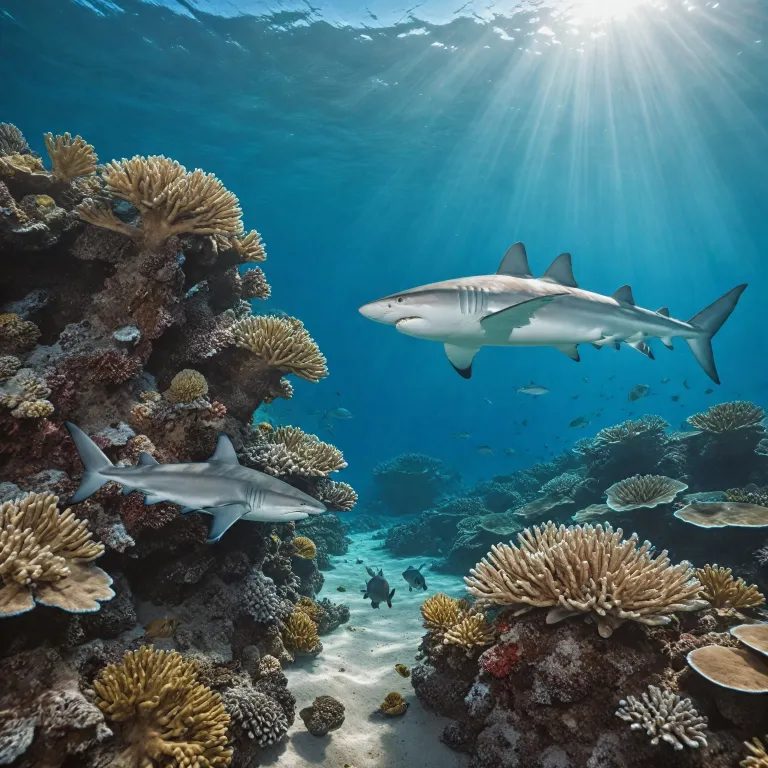
Sharks, reef systems and the reality of the great barrier
Sharks in the barrier reef shape how divers understand healthy marine ecosystems. Along the Great Barrier Reef, shark species act as apex predators, quietly regulating fish populations and maintaining balance. When you plan a dive or snorkel day, you are entering a living laboratory where every shark and reef fish interaction matters.
University of Queensland researchers have shown that large sharks along Queensland’s coast have declined dramatically, and this affects how sharks in the barrier reef behave and where they are seen. Their work, supported by the Australian Marine Conservation Society and Humane Society International, used shark control program data and historical catch records to map long term trends. This research reveals that more than 50 000 sharks have been caught since the early days of the program, with some areas losing most of their large reef sharks and other shark species.
For marine travel enthusiasts, this context changes how a great barrier trip should be planned. A reef tour or day tour that highlights conservation, rather than only thrill, will help protect sharks reef habitats and the broader barrier reef system. When you choose a glass bottom or bottom boat excursion, ask how the operator supports shark species protection and marine life monitoring. Responsible operators explain why shark attacks are statistically rare, how reef shark behaviour differs from a great white, and why grey reef and whitetip reef populations need careful management.
Planning a shark focused reef day around islands and outer sites
Designing a reef day around sharks in the barrier reef starts with location. Inner lagoon sites near an island often suit new divers and snorkel guests, while outer great barrier locations attract experienced scuba diving travellers seeking more shark species. Many operators combine a relaxed glass bottom cruise with guided snorkel sessions so mixed experience groups can enjoy the same reef tour.
For shark focused marine travel, look for itineraries that include at least one outer reef plateau or wall. These areas often host grey reef and whitetip reef sharks, which patrol current swept corners where fish gather. A well structured day tour might begin with a shallow snorkel over coral gardens, followed by a deeper dive on a barrier drop off where reef sharks cruise in the blue.
Some travellers prefer small vessel experiences, and a specialised small cruise ship for divers and ocean lovers can offer multi day access to remote sharks reef habitats. These itineraries often include sunrise and sunset dives when marine life is most active. Ask whether the operator collaborates with conservation groups such as the Australian Marine Conservation Society to help monitor shark populations along the great barrier.
Choosing between snorkel, scuba diving and glass bottom experiences
Different ways of meeting sharks in the barrier reef suit different comfort levels. Snorkel sessions above shallow coral heads allow you to watch reef sharks and other fish from a calm distance. A glass bottom or bottom boat tour offers an even more relaxed view of marine life, ideal for families or guests who prefer to stay dry yet still enjoy the underwater scenery.
Scuba diving opens a more immersive window into sharks reef behaviour. On a typical diving great barrier itinerary, the first dive of the day might focus on orientation, while later dives visit cleaning stations where reef shark species circle patiently. Certified divers who want structured training can compare agencies through resources such as this guide to SSI versus PADI for first scuba certification, then choose courses that emphasise marine life awareness.
For many travellers, a mixed program works best across several days. One day tour could combine a morning snorkel with an afternoon glass bottom excursion, while another focuses on deeper scuba diving at an outer great barrier site. Throughout each activity, guides should help guests learn how to interpret shark body language, understand why shark attacks are extremely uncommon, and appreciate the difference between a passing grey reef shark and a more elusive great white in temperate waters.
Safety, shark behaviour and understanding risk on the barrier reef
Safety around sharks in the barrier reef begins with understanding behaviour rather than fearing silhouettes. Most reef sharks and other shark species encountered on a typical reef tour are wary of divers and snorkel groups. They usually keep a respectful distance, especially when marine life is not being fed or disturbed.
Guides should brief guests clearly before every dive, snorkel or glass bottom session. They explain how to move calmly, keep arms close, and avoid chasing any shark or fish across the reef. When divers maintain good buoyancy and stay above fragile coral, they help protect both the barrier reef structure and the sharks reef food web that depends on it.
Risk management also involves choosing operators who follow non lethal control principles promoted by Humane Society International and the Australian Marine Conservation Society. These organisations emphasise that shark attacks are rare events, and that lethal programs have contributed to a severe decline in large sharks along the great barrier. When you learn about these impacts during a day tour briefing, you gain a deeper respect for every grey reef, whitetip reef or other reef shark that still patrols the outer barrier.
Conservation, population decline and how travellers can help
Sharks in the barrier reef now face intense pressure from historical fishing and habitat change. Long term analyses by University of Queensland researchers show that many large shark species have declined sharply along Queensland’s coast. Their work used shark control program records to reconstruct trends, revealing that more than 50 000 sharks have been removed since the program began.
This decline affects the entire great barrier ecosystem, because sharks great and small regulate fish communities. Without enough reef sharks and other apex predators, some fish populations can explode, grazing patterns shift, and coral resilience may weaken. The Australian Marine Conservation Society and Humane Society International highlight that non lethal approaches and strong marine protected areas are essential to stabilise sharks reef populations.
Travellers can help by choosing eco certified reef tour operators who avoid shark feeding, respect no take zones, and support research. During a reef day or multi day tour, ask guides how they log shark species sightings and share data with scientists. You can also avoid buying any product made from shark parts, support campaigns for better protection of the great barrier, and share what you learn about marine life with other divers and snorkel enthusiasts back home.
Practical tips for ethical shark encounters and marine travel gear
Thoughtful preparation makes encounters with sharks in the barrier reef more rewarding and less intrusive. Pack neutral coloured swimwear, a well fitting mask and low profile fins that allow smooth kicks without stirring sediment across the reef. Freedivers and snorkel guests considering compact equipment can consult this guide to choosing portable fins for marine travel to refine their gear choices.
On any reef day, follow the lead of experienced guides and maintain respectful distances from sharks reef residents. When a grey reef or whitetip reef shark passes, stay still, enjoy the moment, and avoid sudden movements that might alter its natural path. Divers should keep cameras close to their bodies, never block a shark’s route, and remember that the goal is to observe marine life, not to chase dramatic images.
Ethical travel also means supporting operators who integrate education into every dive, snorkel or glass bottom briefing. Look for day tour companies that explain how shark species differ, why great white individuals are rarely seen on the tropical barrier reef, and how each visitor can help reduce stress on fish and coral. By aligning your choices with conservation values, you ensure that future divers can still learn from healthy shark populations along the great barrier.
Key statistics about shark populations and the great barrier reef
- Up to 92 percent decline in large shark populations has been recorded along parts of Queensland’s coast bordering the Great Barrier Reef.
- More than 50 000 sharks have been caught in the regional shark control program since its inception, significantly reducing apex predator numbers.
Essential questions about sharks in the barrier reef
What are the main causes of shark population decline in the Great Barrier Reef ?
The primary causes include overfishing, both targeted and as bycatch, and habitat degradation.
How does the decline in shark populations affect the Great Barrier Reef ecosystem ?
Sharks play a crucial role as apex predators; their decline can disrupt the balance of the marine food web, leading to overpopulation of certain species and degradation of coral reefs.
What conservation efforts are being implemented to protect sharks in the Great Barrier Reef ?
Efforts include advocating for non-lethal shark control methods, establishing marine protected areas, and promoting sustainable fishing practices.