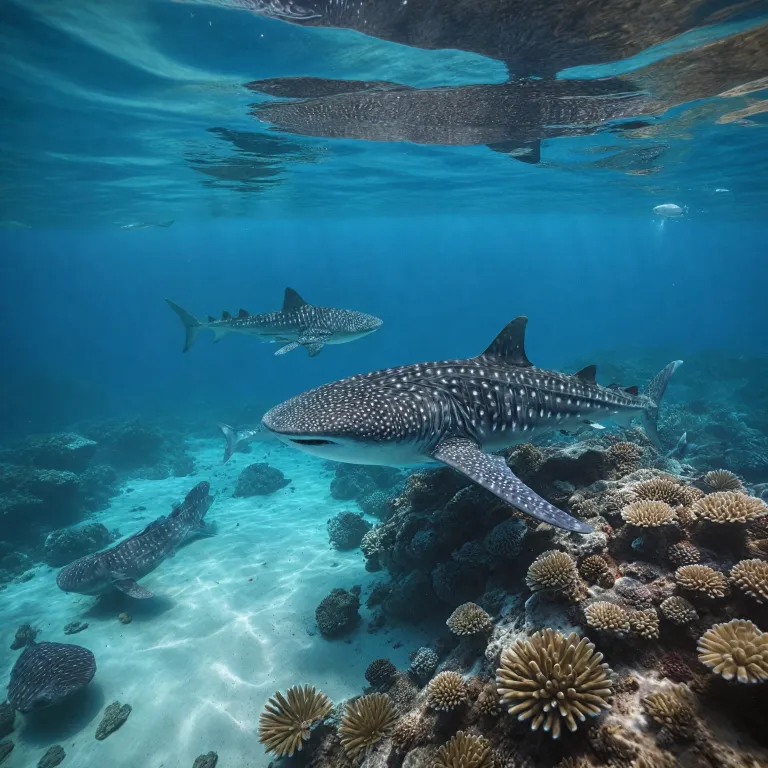
Understanding the allure of snorkeling with whale sharks
Snorkeling with whale sharks is a transformative experience for marine enthusiasts and adventure seekers alike. These gentle giants, recognized as the largest fish in the ocean, captivate snorkelers with their immense size and distinctive spotted patterns. Swimming with whale sharks in their natural habitat offers a rare opportunity to observe sharks up close, fostering a deeper appreciation for marine biodiversity. The experience of sharing the water with these magnificent creatures is both humbling and exhilarating, as participants witness the grace and tranquility of the whale shark in motion. Snorkeling with whale sharks is not only about the thrill of the swim but also about understanding the importance of conservation and ethical wildlife encounters. The best time for shark snorkeling varies by location, with destinations such as Indonesia, the Sea of Cortez, and the bay of La Paz offering prime opportunities during shark season. Whether you are a seasoned snorkeler or new to the ocean, the chance to snorkel with whale sharks will leave a lasting impression, inspiring a lifelong commitment to marine conservation.
Planning your whale shark snorkeling adventure: destinations and timing
Choosing the right destination and timing is crucial for an optimal snorkeling experience with whale sharks. The shark season differs across the globe, with Indonesia, the Sea of Cortez, and the bay of La Paz each offering unique opportunities to swim with these gentle giants. The best time to visit the Sea of Cortez is between December and April, while Indonesia’s prime months are often between April and July. During these periods, whale sharks gather in nutrient-rich waters, making it possible for snorkelers and participants to enjoy extended hours time in the water with these remarkable animals. Ethical shark tours prioritize the well-being of the whale shark and the safety of snorkelers, ensuring that every shark tour is conducted with respect for the ocean and its inhabitants. When planning your trip, consider reputable operators who offer guided shark tours and provide essential information on the best time to snorkel with whale sharks. For more insights on responsible marine travel, visit our guide to ethical wildlife encounters.
Essential preparation for swimming with whale sharks
Preparation is key to a safe and memorable snorkeling experience with whale sharks. Before embarking on a shark snorkeling tour, ensure you are comfortable swimming in open water and familiar with basic snorkeling techniques. Most shark tours provide necessary equipment, including masks, snorkels, and fins, but bringing your own gear can enhance comfort and fit. The experience of swimming with whale sharks requires physical readiness, as participants may spend several hours time in the water with these gentle giants. It is important to listen to guides and adhere to safety protocols, maintaining a respectful distance from the whale shark at all times. Snorkelers should use reef-safe sunscreen to protect both their skin and the marine environment. For those interested in learning more about preparation and safety, explore our comprehensive snorkeling checklist. The anticipation of swimming with the largest fish in the ocean builds as you prepare, ensuring that your shark snorkeling adventure will be both safe and rewarding.
Ethical considerations and conservation efforts in whale shark tourism
Ethical shark tours are essential for the long-term protection of whale sharks and their habitats. Operators who prioritize the well-being of the whale shark and the ocean ecosystem contribute to sustainable tourism and marine conservation. Snorkelers and participants are encouraged to choose tours that follow strict guidelines, such as limiting the number of snorkelers in the water with whale sharks and avoiding any physical contact. The use of photo-identification databases, like Sharkbook, allows researchers to track individual whale sharks and monitor their movements, supporting conservation initiatives. Marine conservation organizations work closely with local tour operators to educate snorkelers about the importance of protecting these gentle giants. By participating in responsible shark tours, snorkelers contribute to ongoing research and the preservation of the largest fish species. The collective effort of snorkelers, tour operators, and conservationists ensures that future generations will have the opportunity to swim with whale sharks in pristine waters.
What to expect during your whale shark snorkeling experience
The moment you enter the water with whale sharks, a sense of awe takes over. Snorkelers are often greeted by the sight of the whale shark gliding effortlessly through the ocean, its massive body casting a gentle shadow below. The experience of swimming with the largest fish is both peaceful and exhilarating, as participants find themselves surrounded by the vibrant life of the bay or sea. Shark tours typically last several hours time, allowing snorkelers to observe the whale shark’s behavior and interact with other marine species. Guides provide valuable information on the biology and habits of whale sharks, enhancing the educational aspect of the snorkeling experience. "No, whale sharks are known for their gentle nature and pose no threat to humans." This reassurance allows even novice snorkelers to feel comfortable in the water with gentle giants. The best time for shark snorkeling is often early in the morning, when the ocean is calm and visibility is high. Whether in Indonesia, the Sea of Cortez, or the bay of La Paz, the memory of swimming with whale sharks will remain vivid long after the tour ends.
Maximizing your impact: supporting whale shark conservation through responsible travel
Every snorkeling experience with whale sharks presents an opportunity to support marine conservation. By choosing ethical shark tours and respecting local guidelines, snorkelers help protect the whale shark and its habitat. Many tour operators collaborate with marine conservation organizations to promote research and education, ensuring that the impact of tourism is positive and sustainable. Snorkelers are encouraged to share their experiences and raise awareness about the importance of preserving the ocean and its inhabitants. "While prior experience is beneficial, many tour operators accommodate beginners and provide necessary guidance." This inclusivity allows more people to participate in shark snorkeling and contribute to conservation efforts. The growing popularity of eco-tourism and advancements in marine research technologies, such as photo-identification databases, are making a significant difference in the protection of whale sharks. By swimming with whale sharks and supporting responsible shark tours, participants become advocates for the ocean and its gentle giants, ensuring that the largest fish will continue to thrive for generations to come.
Key statistics about whale sharks and snorkeling experiences
- Average length of whale sharks: 40 feet
- Estimated lifespan of whale sharks: 60 years
- Number of whale shark pups per birth: 300 pups
Frequently asked questions about snorkeling with whale sharks
Are whale sharks dangerous to humans?
No, whale sharks are known for their gentle nature and pose no threat to humans.
Do I need prior snorkeling experience to swim with whale sharks?
While prior experience is beneficial, many tour operators accommodate beginners and provide necessary guidance.
How can I ensure my whale shark encounter is ethical?
Choose tour operators that adhere to ethical guidelines, such as maintaining a safe distance from the animals and not feeding them.