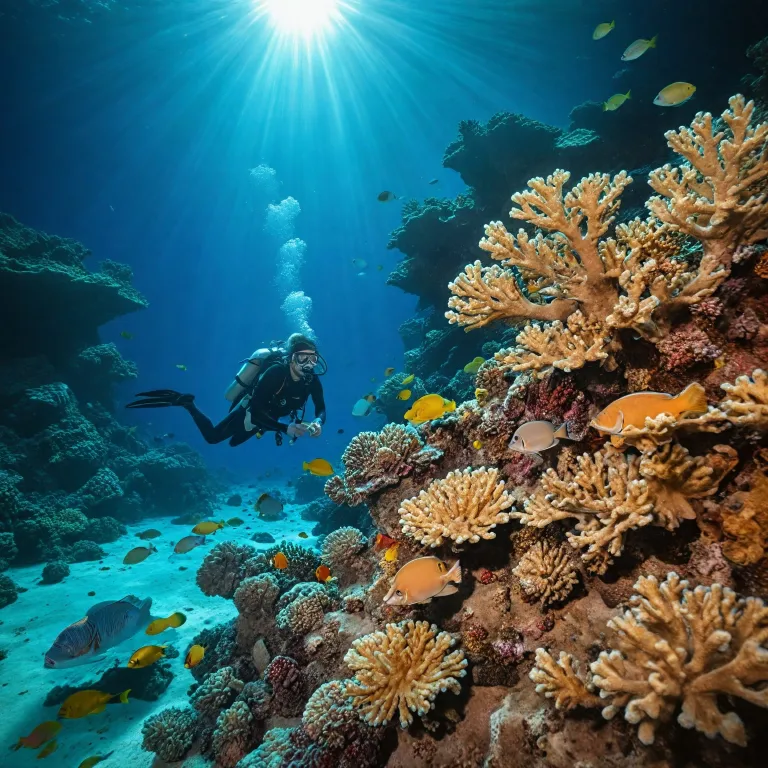
Understanding your first scuba diving experience: what to expect
Embarking on your first scuba diving experience opens a world of underwater exploration. The initial dive is designed to introduce you to the essentials of scuba, including the use of dive gear, safety protocols, and the thrill of breathing underwater. PADI, the Professional Association of Diving Instructors, has developed a program that ensures every participant feels secure and informed throughout their journey. Dive shops affiliated with PADI or other recognized agencies provide all necessary equipment, from the scuba tank to the snorkel and fins, making the process seamless for beginners.
During your first session, you will receive a comprehensive briefing on scuba basics, including how to use your regulator, manage your buoyancy, and communicate underwater. The course typically begins with a classroom or elearning component, followed by hands-on water training in a controlled environment. This structure allows divers to gradually build confidence before venturing into open water. Participants are encouraged to ask questions and familiarize themselves with each piece of dive gear, ensuring a comfortable transition from land to water.
One of the most exhilarating moments is your initial breath underwater. The sensation is both surreal and empowering, as you realize the possibilities that scuba diving unlocks. Whether you are preparing for a reef dive, a night dive, or a shore dive, the foundational skills acquired during this first experience are invaluable. Dive instructors emphasize safety, proper technique, and respect for the marine environment, setting the stage for a lifetime of underwater adventures.
Essential skills and safety procedures for new divers
Safety is paramount in every scuba diving experience, especially for those new to the sport. The PADI program ensures that all divers are equipped with the knowledge and skills necessary to navigate underwater environments confidently. Before entering the water, you will learn how to assemble and check your dive gear, including the tank, buoyancy control device, and regulator. This preparation is crucial for a successful and enjoyable dive.
Water training sessions focus on mastering basic scuba skills such as mask clearing, equalizing pressure, and maintaining neutral buoyancy. These exercises are conducted under the watchful eye of a certified instructor, who provides guidance and support throughout the process. Divers practice these techniques in a pool or shallow water setting before progressing to more challenging environments.
Understanding emergency procedures is a key component of the course. You will learn how to share air with a buddy, ascend safely, and respond to common underwater issues. The emphasis on safety extends to every aspect of the dive, from planning your route to monitoring your air supply. For more information on advanced training and safety protocols, visit our comprehensive guide to scuba safety. This foundation ensures that every diver is prepared for the unique challenges and rewards of the underwater world.
Choosing the right dive site and local dive center
Selecting the ideal dive site is an important step in your scuba journey. Local dive centers play a pivotal role in facilitating safe and memorable experiences, offering a range of environments from vibrant reefs to tranquil shore dives. When choosing a location, consider factors such as water visibility, current strength, and marine life diversity. Dive shops often provide detailed information about each site, helping you find a dive that matches your skill level and interests.
Many centers offer both pool-based sessions and open water dives, allowing you to progress at your own pace. The option to participate in a night dive or a reef dive adds variety and excitement to your training. Experienced instructors guide you through each stage, ensuring that you feel comfortable and confident in the water. Equipment rental is typically included, so you can focus on enjoying the experience rather than worrying about logistics.
To find dive opportunities in your area, contact local dive centers and inquire about their programs. They can provide information on upcoming courses, availability, and any specific requirements. For a curated list of recommended dive sites and centers, explore our directory of top-rated local dive shops. This resource connects you with trusted professionals who prioritize safety, education, and environmental stewardship.
The role of PADI and the value of professional instruction
PADI is recognized globally for its commitment to high standards in scuba education and safety. The organization’s programs are designed to make scuba accessible to everyone, regardless of prior experience. Through a combination of elearning modules, in-person instruction, and practical water training, PADI ensures that every diver receives comprehensive preparation. The discover scuba diving course is structured to demystify the sport and encourage further exploration.
Professional instructors are central to the success of each dive experience. They provide personalized guidance, adapt training to individual needs, and foster a supportive learning environment. The emphasis on continuous improvement and adherence to best practices sets PADI apart as a leader in the field. Divers benefit from a curriculum that balances theory with hands-on practice, building both competence and confidence.
Many local dive centers are affiliated with PADI, offering a consistent and reliable standard of instruction. This partnership ensures that divers have access to the latest equipment, safety protocols, and educational resources. For those interested in pursuing advanced certifications, the pathway from discover scuba to open water diver and beyond is clearly defined.
Exploring different types of dives: from reef to night adventures
Scuba diving offers a diverse range of experiences, each with its own unique appeal. Reef dives are popular among beginners and seasoned divers alike, providing an opportunity to observe vibrant marine life and intricate coral formations. The calm, clear waters of many reef sites make them ideal for practicing basic skills and building confidence.
For those seeking a new challenge, night dives reveal a different side of the underwater world. Equipped with specialized dive gear and guided by experienced instructors, divers can witness nocturnal creatures and bioluminescent displays. Shore dives and tank dives offer additional variety, allowing participants to explore different entry points and underwater landscapes.
Each type of dive requires specific preparation and technique. Instructors provide detailed briefings on what to expect, how to use your equipment effectively, and how to navigate the site safely. The discover scuba program introduces participants to these possibilities, encouraging them to try new experiences and expand their skills. Whether you are interested in a single dive or a series of dives, the options are virtually limitless.
Building confidence and progressing to open water diver certification
The initial scuba diving experience is designed to build confidence and lay the groundwork for further training. Many participants find that their first dive sparks a passion for the sport, motivating them to pursue additional courses. The transition from discover scuba to open water diver involves more advanced water training, including navigation, deep dives, and emergency procedures.
Open water certification is the next step for those who wish to dive independently and explore a wider range of sites. The course covers essential topics such as dive planning, environmental awareness, and advanced buoyancy control. Divers complete a series of open water dives under the supervision of a certified instructor, demonstrating their proficiency and readiness for independent exploration.
Local dive centers offer flexible scheduling and personalized instruction, making it easy to progress at your own pace. The sense of accomplishment that comes with earning your certification is matched only by the excitement of discovering new underwater environments. As you continue your journey, you will join a global community of divers dedicated to safety, conservation, and lifelong learning.
Frequently asked questions and expert insights on scuba diving
Key statistics:
- Minimum age requirement for participation: 10 years
- Typical program duration: 2 hours
- Most programs include a briefing, equipment setup, and in-water session
Frequently asked questions:
Is prior experience required for Discover Scuba Diving?
No prior experience is necessary; the program is designed for beginners.
What is the minimum age to participate?
Participants must be at least 10 years old.
Do I need to bring my own equipment?
No, all necessary equipment is typically provided by the dive center.
For more details on privacy policy, safety, and program specifics, consult your local dive center or the official PADI website. The discover scuba diving experience is an accessible, safe, and inspiring way to begin your underwater adventure. As you progress, you will find dive opportunities that match your interests, from reef dives to night dives, and connect with a vibrant community of scuba divers worldwide.
References:
- PADI (Professional Association of Diving Instructors) – https://www.padi.com/
- Discovery Diving Co. – https://www.discoverydiving.com/
- Dive World Austin – https://www.diveworldaustin.com/