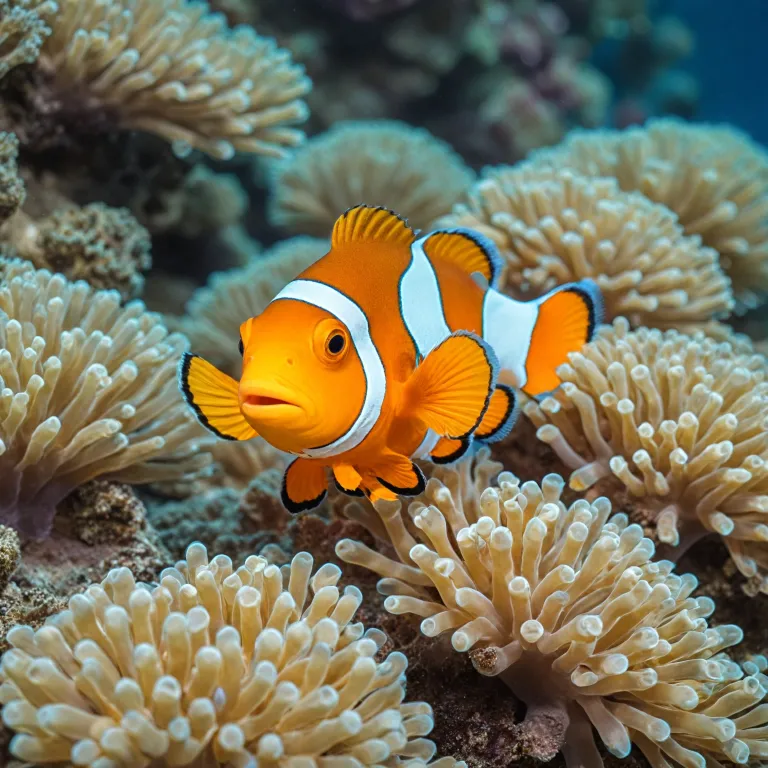
Clownfish lifespan: factors influencing longevity in aquariums and the wild
Clownfish, celebrated for their vibrant colors and unique relationship with sea anemones, captivate marine enthusiasts and divers alike. The question of how long do clownfish live is central to both aquarium hobbyists and those passionate about marine conservation. In their natural marine habitats, clownfish species typically live between 6 and 10 years, but their lifespan can extend significantly in captivity. The environment, including the quality of aquarium water, the presence of live rock, and the stability of specific gravity, plays a crucial role in determining how long clownfish live. Clean water, a well-maintained filter, and the right substrate are essential for supporting beneficial bacteria, which in turn help maintain ideal water conditions for pet clownfish. The choice of food, the use of marine salt, and the overall care provided to aquarium clownfish all contribute to their longevity. For those keeping pet fish, understanding the recommended tank size, the importance of a stable water tank, and the need for regular fish care routines is vital. Clownfish lifespan can be maximized by replicating natural conditions, ensuring that the fish tank includes live rock and provides small amounts of high-quality food. The ideal range for specific gravity and temperature must be maintained to keep both single and multiple clownfish species healthy. The presence of tomato clowns or other clownfish species in aquariums requires careful monitoring to avoid stress and aggression, which can impact how long clownfish live. Aquarium enthusiasts who prioritize fish care and maintain optimal conditions often see their pet clownfish thrive for many years.
Essential aquarium setup for maximizing clownfish lifespan
Creating the perfect environment for aquarium clownfish begins with selecting the right tank size and equipment. A fish tank of at least 80 liters is recommended for a pair of clownfish, providing ample space for swimming and territory. The substrate should be chosen to support beneficial bacteria, which are crucial for breaking down waste and maintaining clean water. Live rock not only enhances the aesthetic appeal of marine aquariums but also serves as a biological filter, helping to stabilize the aquarium water. The use of marine salt is essential to replicate the natural conditions of clownfish species, and regular monitoring of specific gravity ensures the ideal range is maintained. A high-quality filter is necessary to keep the water tank free from toxins and debris, supporting the health of both pet fish and beneficial bacteria. Lighting should mimic natural daylight cycles, and temperature must be kept within the recommended range for marine species. Feeding small amounts of varied food, including marine pellets and frozen options, helps meet the nutritional needs of aquarium clownfish. Regular water changes and testing for ammonia, nitrite, and nitrate levels are part of responsible fish care. For those interested in learning more about advanced marine aquarium setups, the comprehensive guide to marine tank maintenance offers valuable insights. By following these guidelines, aquarists can ensure their clownfish live long, healthy lives, whether they are keeping tomato clowns or other clownfish species.
Diet, feeding routines, and the impact on clownfish longevity
The diet of clownfish plays a significant role in determining how long clownfish live, both in the wild and in aquariums. Providing a balanced diet that includes small amounts of high-quality marine food is essential for supporting the health and longevity of pet clownfish. Aquarium clownfish benefit from a varied menu, including marine pellets, frozen mysis shrimp, and occasional live foods. Feeding routines should be consistent, with food offered once or twice daily in quantities that can be consumed within a few minutes. Overfeeding can lead to water quality issues, affecting the beneficial bacteria and overall health of the fish tank. It is important to remove uneaten food promptly to maintain clean water and prevent spikes in ammonia and nitrite. The nutritional needs of different clownfish species, such as tomato clowns, may vary slightly, but all require a diet rich in protein and essential nutrients. The use of live rock in the aquarium provides additional foraging opportunities and helps mimic the natural environment of marine species. For those seeking detailed advice on feeding routines and dietary recommendations, the expert clownfish care sheet is an invaluable resource. By prioritizing proper nutrition and responsible feeding practices, aquarists can significantly extend the clownfish lifespan and ensure their pet fish remain vibrant and active for many years.
Water quality management: ensuring optimal conditions for clownfish
Maintaining pristine aquarium water is fundamental to the health and longevity of clownfish. The specific gravity of the water must be kept within the ideal range for marine fish, typically between 1.020 and 1.025, to support physiological processes. Regular testing and adjustments with marine salt are necessary to achieve this balance. The filter system should be efficient and properly maintained to remove waste and toxins, while the substrate and live rock work together to support beneficial bacteria populations. These bacteria are essential for breaking down organic matter and stabilizing the aquarium environment. Water changes, performed weekly or biweekly, help dilute harmful substances and replenish essential minerals. Monitoring temperature, pH, and salinity is equally important, as fluctuations can stress pet clownfish and reduce their lifespan. The presence of live rock not only enhances biological filtration but also provides shelter and grazing surfaces for clownfish species. By adhering to these best practices, aquarists can create a stable, healthy environment that supports the long clownfish lifespan observed in well-maintained aquariums.
Social behavior, tank mates, and the role of species selection
Understanding the social dynamics of clownfish is crucial for anyone seeking to keep these marine species in aquariums. Clownfish are known for their territorial behavior, especially when housed with other clownfish species or similar pet fish. Selecting compatible tank mates and avoiding overcrowding are key to reducing stress and aggression, which can impact how long clownfish live. Tomato clowns, for example, are more assertive and may not tolerate other clownfish species in the same fish tank. Providing ample hiding spaces with live rock and maintaining a balanced ratio of fish to tank size helps minimize conflict. The ideal range for stocking density depends on the specific species and the size of the aquarium water tank. Introducing new fish should be done gradually, with careful observation for signs of aggression or stress. The use of a care sheet tailored to the needs of each clownfish species is recommended to guide aquarists in making informed decisions. Social enrichment, such as the inclusion of host anemones or artificial shelters, can enhance the well-being of pet clownfish. By respecting the natural behaviors and social structures of these marine fish, aquarists can foster a harmonious environment that supports the maximum clownfish lifespan.
Expert care tips and common challenges in clownfish husbandry
Achieving a long clownfish lifespan requires diligence, expertise, and a commitment to best practices in marine fish care. Common challenges include maintaining stable water parameters, preventing disease outbreaks, and ensuring proper nutrition. The use of a comprehensive care sheet is highly recommended for tracking maintenance routines and monitoring the health of aquarium clownfish. Regular observation of fish behavior, appetite, and coloration can provide early warning signs of stress or illness. Quarantining new arrivals before introducing them to the main tank helps prevent the spread of pathogens. The integration of live rock and a robust filter system supports the development of beneficial bacteria, which are vital for maintaining clean water. For those keeping pet clownfish, it is important to stay informed about the latest advancements in marine aquarium technology and husbandry techniques. As stated in the expert quote, "Clownfish typically live between 6 to 10 years in their natural habitats." Another expert notes, "Yes, with proper care, clownfish can live up to 10 to 15 years in captivity." These insights underscore the importance of dedicated fish care and the potential for long clownfish lifespans when optimal conditions are provided. By addressing common challenges proactively and adhering to expert recommendations, aquarists can enjoy the beauty and companionship of pet clownfish for many years.
Key statistics on clownfish lifespan
- Average lifespan of clownfish in the wild: 6 years
- Average lifespan of clownfish in captivity: 10 years
- Maximum recorded lifespan of clownfish: 30 years
Frequently asked questions about clownfish lifespan
How long do clownfish live in the wild?
Clownfish typically live between 6 to 10 years in their natural habitats.
Can clownfish live longer in captivity?
Yes, with proper care, clownfish can live up to 10 to 15 years in captivity.
What factors influence the lifespan of clownfish?
Factors include environmental conditions, availability of host anemones, predation, and quality of care in captivity.
Trusted sources:
- Ocean Conservancy
- PetMD
- Wikipedia