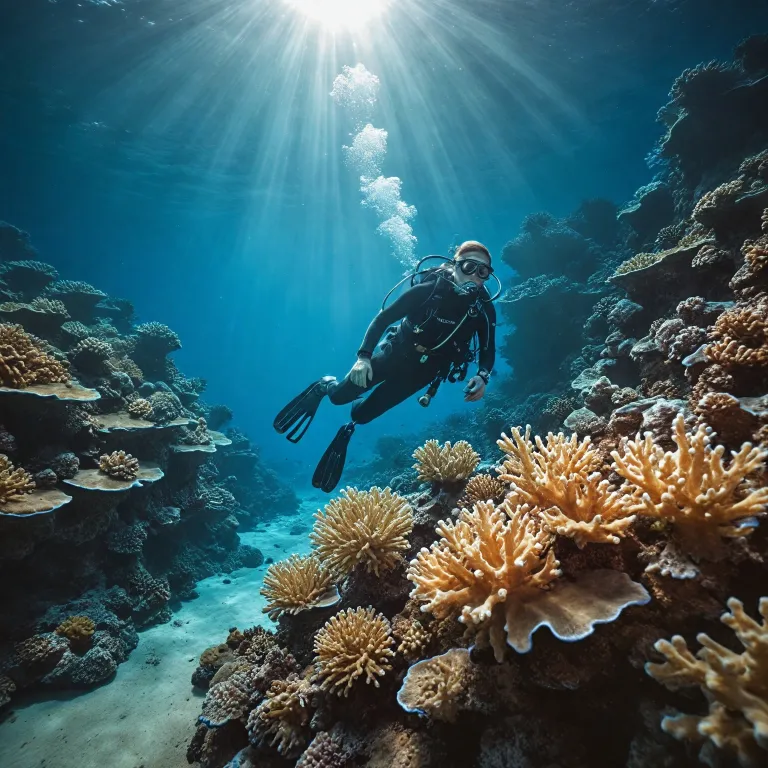
Understanding the fundamentals of buoyancy control in diving
Buoyancy control is the cornerstone of safe and enjoyable diving. Mastering this skill allows divers to glide effortlessly through the water, reducing energy expenditure and minimizing disturbance to marine life. The ability to maintain neutral buoyancy is crucial for both novice and experienced divers, as it enhances safety and preserves delicate underwater ecosystems. Proper buoyancy control also helps prevent accidental contact with the seabed, coral reefs, and historical wrecks, which can be easily damaged by careless movements. Divers who excel in buoyancy control often report longer dive times and improved air consumption, making each underwater adventure more rewarding. By focusing on the basics—such as correct weighting, breath control, and equipment adjustment—divers can lay a strong foundation for more advanced techniques. The principles of buoyancy apply equally to single dives and extended marine travel, where conditions may vary significantly. Whether exploring shallow reefs or deep walls, understanding the science behind buoyancy is essential for every marine travel enthusiast.
Advanced techniques for precise buoyancy management
Once the fundamentals are mastered, divers can explore advanced buoyancy techniques to refine their underwater experience. Techniques such as the frog kick, helicopter turn, and back kick allow for precise movement and positioning in the water. These skills are particularly valuable when navigating confined spaces or photographing marine life, as they minimize sediment disturbance and maintain visibility. Adjusting trim—the diver’s body position in the water—further enhances control and stability. Advanced divers often use visual and tactile cues from their environment to make subtle adjustments, ensuring they remain neutrally buoyant throughout the dive. Practicing these techniques in a variety of conditions, from calm lagoons to strong currents, builds confidence and adaptability. For those embarking on marine travel, mastering advanced buoyancy control ensures a safer and more enjoyable exploration of diverse underwater landscapes. The integration of these techniques into every dive transforms routine excursions into immersive marine experiences.
Equipment considerations for optimal buoyancy during marine travel
Choosing the right equipment is vital for effective buoyancy control, especially when traveling to different marine environments. The type and thickness of wetsuit, the size and style of buoyancy compensator device (BCD), and the selection of weights all influence a diver’s ability to achieve neutral buoyancy. Divers should regularly check and adjust their gear to account for changes in water temperature, salinity, and exposure protection. Lightweight travel gear is increasingly popular among marine travelers, offering both convenience and performance. Integrated weight systems and streamlined BCDs reduce drag and improve maneuverability, making them ideal for exploring coral reefs and wrecks. It is important to conduct a buoyancy check at the start of each dive, particularly when using unfamiliar or rental equipment. By investing in high-quality, well-maintained gear, divers can enhance their buoyancy control and overall safety during marine travel. Equipment choices should always be tailored to the specific conditions and objectives of each dive trip.
Environmental awareness and responsible diving practices
Responsible diving practices are essential for protecting marine ecosystems and ensuring the sustainability of marine travel. Buoyancy control plays a critical role in minimizing physical contact with fragile habitats, such as coral reefs and seagrass beds. Divers should be mindful of their body position and movements, especially in areas with limited visibility or strong currents. Participating in conservation programs and adhering to local guidelines further supports the preservation of underwater environments. Many marine travel destinations now require divers to demonstrate proficiency in buoyancy control before accessing sensitive sites. By fostering a culture of environmental stewardship, divers contribute to the long-term health of the oceans. Responsible practices also enhance the quality of the diving experience, allowing for closer encounters with marine life and more memorable underwater moments. For those interested in optimal diving conditions, the optimal seasons and conditions for diving in Bali provide valuable insights for planning sustainable marine travel adventures.
Training and continuous improvement in buoyancy skills
Ongoing training is essential for divers seeking to refine their buoyancy control and adapt to new challenges. Specialty courses, such as peak performance buoyancy, offer structured opportunities to practice advanced techniques under the guidance of experienced instructors. Regular practice in different environments—such as freshwater lakes, saltwater reefs, and drift dives—builds versatility and confidence. Many dive centers offer workshops and refresher sessions for travelers who wish to maintain their skills between trips. Peer feedback and self-assessment are valuable tools for identifying areas of improvement and setting personal goals. Divers are encouraged to document their progress and reflect on each dive, noting successes and challenges related to buoyancy control. Continuous improvement not only enhances safety but also deepens the enjoyment of marine travel. By prioritizing skill development, divers can fully appreciate the diversity and beauty of the underwater world.
Integrating buoyancy control into marine travel planning
Effective marine travel planning involves more than selecting destinations and booking accommodations; it requires careful consideration of diving conditions and personal skill levels. Researching local regulations, environmental factors, and available training resources ensures a safe and rewarding experience. Divers should assess their buoyancy skills honestly and seek additional training if needed before embarking on challenging trips. Packing checklists should include essential equipment for buoyancy control, such as spare weights and repair kits. Collaborating with reputable dive operators and guides enhances safety and provides valuable local knowledge. Thoughtful planning allows divers to maximize their time underwater while minimizing risks to themselves and the environment. By integrating buoyancy control into every aspect of marine travel, enthusiasts can enjoy a seamless blend of adventure, discovery, and conservation.
Key statistics on buoyancy control and marine travel
- No dataset provided.
Frequently asked questions about buoyancy control in diving and marine travel
No dataset provided.