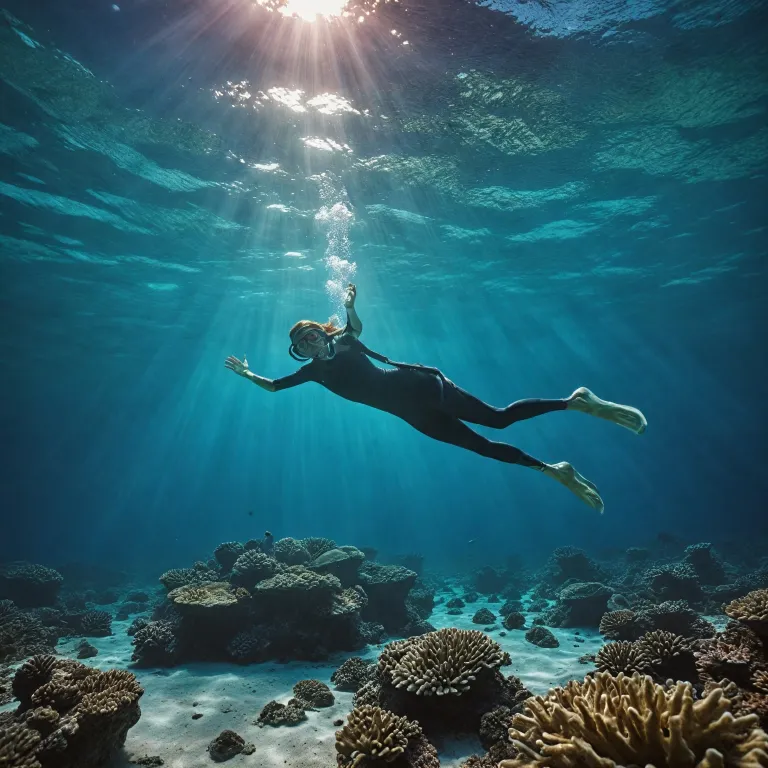
Understanding the fundamentals of freediving and breath control
Freediving is an ancient practice that has evolved into a refined discipline, allowing individuals to explore underwater environments on a single breath. Learning freediving basics begins with understanding the relationship between breath, water, and the body’s physiological responses. Beginners are introduced to the concept of breath hold, which is the foundation of all freediving techniques. By practicing static breath holding, you gradually increase your ability to remain underwater safely and comfortably. A freediving course typically starts with theory sessions, where students learn about the effects of water pressure, the importance of equalization, and the role of relaxation in extending breath hold times. The basic freediving techniques taught include proper breathing, equalization, and safe ascent and descent protocols. These are essential for both freediving and diving spearfishing, as they ensure the freediver can manage the challenges of open water environments. The guide freediving approach emphasizes safety and gradual progression. Instructors from organizations like Freediving Instructors International (FII) and Apnea Total focus on teaching breathing techniques that maximize oxygen efficiency and minimize anxiety. Regular practice breath exercises, both in and out of the water, help beginners build confidence and improve their breath holding abilities. Relaxation is a key aspect of freediving safe practices. By mastering basic breathing techniques, freedivers can reduce their heart rate and conserve oxygen, which is crucial for longer dives. The freediver course also covers the use of essential equipment such as masks, snorkels, fins, and wetsuits, ensuring that each dive is both comfortable and secure.Essential training methods for beginners: from static breath to dynamic dives
Training for freediving involves a combination of dry and wet exercises designed to enhance breath hold capacity and underwater performance. Beginners are encouraged to start with static breath holding, which involves holding breath while remaining still, either on land or in shallow water. This practice helps the body adapt to increased levels of carbon dioxide and delayed urge to breathe. Dynamic apnea, another core component of freediving training, requires the freediver to swim horizontally underwater while holding breath. This technique builds endurance and teaches efficient movement through water. The freediving course structure often includes both static and dynamic sessions, allowing students to experience different aspects of breath holding and water adaptation. Breathing techniques are central to all freediving training. Diaphragmatic breathing, also known as belly breathing, is taught to maximize lung capacity and oxygen intake. By incorporating relaxation exercises and mindfulness, freedivers learn to control their breath and remain calm during dives. The freediver course also introduces equalization methods to prevent discomfort and injury as pressure increases with depth. Safety is paramount in all freediving activities. Training organizations stress the importance of the buddy system, ensuring that no one dives alone. Instructors guide freedivers through safety drills, including simulated blackouts and rescue procedures. For those interested in diving spearfishing, additional training is provided to manage the unique challenges of hunting underwater. For more on advanced training and safety, explore our comprehensive freediving safety guide at https://www.bluediveadventures.com/blog/wreck-diving-adventures-exploring-sunken-ships-and-marine-history-beneath-the-waves.Mastering breathing techniques: the foundation of freediving performance
Breathing is at the heart of freediving, and mastering various breathing techniques is essential for both beginners and experienced freedivers. The freediving course curriculum covers several methods, including pre-dive breathing, recovery breathing, and relaxation breathing. Each technique serves a specific purpose in preparing the body for breath hold and ensuring a safe return to the surface. Pre-dive breathing focuses on oxygenating the body and calming the mind before a dive. Slow, deep inhalations followed by relaxed exhalations help lower the heart rate and increase oxygen reserves. Recovery breathing, performed immediately after surfacing, aids in rapid oxygen replenishment and prevents shallow water blackout. These breathing techniques are practiced repeatedly during training sessions to build muscle memory and confidence. The guide freediving approach also emphasizes the importance of mental preparation. Visualization and meditation are integrated into training routines to enhance focus and relaxation. By combining physical and mental exercises, freedivers can achieve greater control over their breath hold and underwater performance. Holding breath for extended periods requires gradual adaptation. Beginners are advised to increase their breath hold times incrementally, always prioritizing safety and comfort. The freediver course provides structured progressions, allowing students to track their improvement and set realistic goals.Safety protocols and best practices for freediving in open water
Freediving in open water presents unique challenges that require strict adherence to safety protocols. The freediving course includes comprehensive training on risk assessment, emergency procedures, and environmental awareness. Beginners learn to identify safe entry and exit points, assess water conditions, and recognize potential hazards such as currents and marine life. The buddy system is a cornerstone of freediving safe practices. Diving with a partner ensures immediate assistance in case of difficulty, particularly during breath hold or ascent. Instructors teach effective communication signals and rescue techniques, reinforcing the importance of teamwork in underwater environments. Equalization is another critical aspect of open water freediving. Improper equalization can lead to discomfort or injury, and studies indicate that 30 percent of freediving incidents are related to this issue. The freediver course provides hands-on instruction in equalization methods, enabling students to descend and ascend safely. Equipment selection and maintenance are covered extensively in training sessions. Freedivers are taught to choose appropriate masks, fins, and wetsuits for their skill level and water conditions. Weight belts are adjusted to achieve neutral buoyancy, reducing effort and conserving energy during dives. For those interested in exploring underwater photography or diving spearfishing, specialized equipment and techniques are introduced.Building endurance and relaxation through regular practice and training
Endurance and relaxation are developed through consistent practice and structured training routines. The freediving course encourages students to engage in both dry and wet training sessions, focusing on breath hold, swimming technique, and mental resilience. Regular practice breath exercises help increase lung capacity and improve oxygen utilization. Relaxation techniques, such as progressive muscle relaxation and guided meditation, are integrated into training to reduce anxiety and enhance performance. By learning to remain calm under pressure, freedivers can extend their breath hold and enjoy longer, more comfortable dives. The guide freediving methodology also includes cardiovascular exercises to boost overall fitness and stamina. Training organizations like FII and Apnea Total offer a range of courses tailored to different skill levels. Beginners are advised to start with basic freediving classes before progressing to advanced modules. Community support, including local freediving clubs and online forums, provides valuable resources and encouragement for continuous improvement. As freedivers gain experience, they may choose to specialize in areas such as diving spearfishing, underwater photography, or competitive free diving. Each discipline requires additional training and practice breath techniques to master the specific demands of the activity. The freediver course structure allows for gradual progression, ensuring that safety and skill development remain the top priorities.Joining the global freediving community: courses, certifications, and lifelong learning
Freediving is more than a sport; it is a global community united by a passion for exploring underwater environments and mastering breath hold techniques. Enrolling in a certified freediving course is the first step toward joining this vibrant network. Training organizations such as FII and Apnea Total provide internationally recognized certifications, ensuring that freedivers receive comprehensive instruction in safety, technique, and environmental stewardship. The freediver course curriculum is designed to accommodate a range of abilities, from absolute beginners to advanced practitioners. Courses cover essential topics such as breathing techniques, equalization, and emergency response, equipping students with the knowledge and confidence to dive safely. Ongoing education is encouraged, with advanced modules and specialty workshops available for those seeking to refine their skills. Community engagement is a key aspect of the freediving experience. Local clubs, online forums, and international events offer opportunities for freedivers to connect, share experiences, and participate in group training sessions. The guide freediving approach fosters a culture of mutual support and continuous learning. As freediving continues to grow in popularity, advancements in equipment and training methodologies are making the sport more accessible and enjoyable. "Begin by enrolling in a certified freediving course that covers fundamental techniques and safety protocols." This expert advice underscores the importance of structured education and responsible practice. Whether your goal is to explore underwater landscapes, improve your breath hold, or pursue diving spearfishing, the journey begins with a commitment to learning freediving basics and embracing the values of safety, respect, and community.Key statistics on learning freediving basics
- Average depth achieved by beginner freedivers: 10 meters
- Percentage of freediving incidents related to improper equalization: 30 percent
Frequently asked questions about learning freediving basics
What is the best way to start learning freediving?
Begin by enrolling in a certified freediving course that covers fundamental techniques and safety protocols.
How can I improve my breath-hold time for freediving?
Regular practice of apnea exercises, relaxation techniques, and cardiovascular fitness can enhance breath-hold capacity.
Is freediving safe for beginners?
Yes, when proper training, adherence to safety guidelines, and diving with a buddy are followed, freediving can be safe for beginners.
References: Freediving Instructors International (FII), Apnea Total, National Freshwater Spearfishing Association (NFSA)