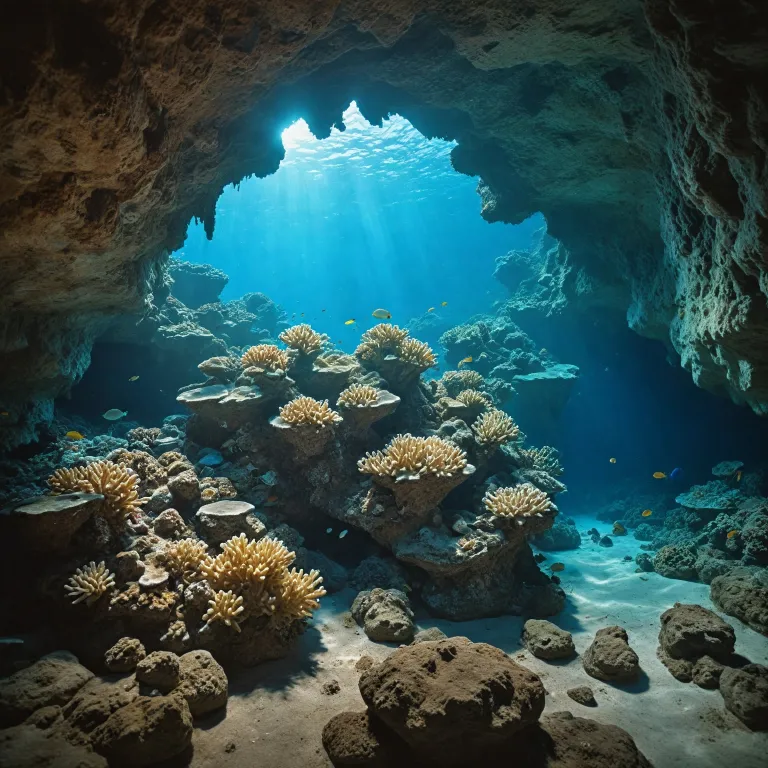
Exploring the allure of sea caves and underwater marvels
Underwater caves offer an extraordinary gateway into the hidden beauty of our planet’s aquatic environments. These natural wonders, shaped by the relentless force of water over millennia, captivate visitors with their intricate formations and mysterious depths. Along the oregon coast, sea caves and sea cave systems provide a unique blend of geological intrigue and marine biodiversity, drawing divers and nature enthusiasts alike. The interplay between tide, water, and rock has sculpted some of the world’s most fascinating cave landscapes, from the painted cave on santa cruz island to the lion caves frequented by sea lions.
For those seeking to explore the largest sea caves, destinations such as the apostle islands national lakeshore and devils island in lake superior stand out. Here, caves devils and other formations reveal the power of water and the artistry of nature. The beach sea environments near these caves offer additional opportunities for relaxation and wildlife observation. Whether you find yourself at low tide on the oregon coast or venturing into the depths of cruz island, each point along these coasts presents a new adventure. The presence of sea lions and the echo of waves within the cave sea create an atmosphere that is both tranquil and exhilarating.
As interest in eco-tourism grows, more visitors are drawn to these natural sites, eager to find new experiences and contribute to conservation efforts. The largest sea caves, such as those on devils island and within the apostle islands, are not only geological marvels but also vital habitats for marine life. Exploring these environments responsibly ensures that future generations can continue to enjoy their beauty and significance.
Iconic underwater cave systems: from Mexico to Norway
The world’s most renowned underwater cave systems span continents, offering a diverse range of experiences for divers and explorers. Sistema Ox Bel Ha in Quintana Roo, Mexico, is recognized as the world’s longest underwater cave system, extending over 524 kilometers. This vast network of caves is a testament to the complexity and scale of natural underground waterways. In Northern Europe, Pluragrotta stands as the deepest cave, reaching depths of at least 135 meters. These sites are not only impressive for their size but also for the unique ecosystems they support.
Exploring these underwater caves requires specialized training and equipment, as the environments can be challenging and unpredictable. The sea caves of the oregon coast, while more accessible, still demand respect for changing tides and water conditions. For those interested in less technical exploration, guided boat tours to sites like the Blue Grotto on the coast of Capri, Italy, offer a chance to experience the magic of a sea cave without diving. The Blue Grotto, with its brilliant blue light, is a prime example of how natural phenomena can transform a simple cave into a world-renowned attraction.
Visitors to these caves often find themselves immersed in a world where natural history and marine life converge. The presence of sea lions in lion caves, the vibrant colors of the painted cave on santa cruz island, and the dramatic cliffs of devils island all contribute to the allure of these destinations. For those planning a journey, it is essential to check local regulations, obtain necessary permits, and consider guided experiences for safety and deeper insight. For more information on planning your next marine adventure, visit marine travel planning resources.
Marine biodiversity and the role of underwater caves
Underwater caves and sea caves are critical habitats for a wide array of marine species. The interplay between the sea, tide, and rock formations creates unique microenvironments that support both flora and fauna. On the oregon coast, sea lions are a common sight in lion caves, where they find shelter and breeding grounds. The apostle islands and devils island in lake superior are also home to diverse marine life, making them popular destinations for eco-conscious travelers.
The largest sea caves, such as those found on santa cruz island and within the apostle islands national lakeshore, provide refuge for fish, crustaceans, and other aquatic organisms. These environments are shaped by natural forces, with water carving out intricate passageways and chambers over thousands of years. The caves devils and painted cave are particularly notable for their size and the variety of species they host. Low tide often reveals hidden entrances to these caves, allowing visitors to explore areas that are otherwise submerged.
Conservation efforts are essential to protect these fragile ecosystems. Increased interest in underwater caves has led to greater awareness of the need for sustainable tourism practices. By respecting local guidelines and supporting conservation initiatives, visitors can help preserve the natural beauty and biodiversity of these remarkable sites. For those interested in learning more about marine conservation, marine conservation resources offer valuable information and ways to get involved.
Safety, training, and responsible exploration
Exploring underwater caves, whether in the sea, lake, or along the coast, requires careful preparation and respect for the environment. Cave diving is a specialized activity that demands proper certification and training. As stated in the expert dataset, "Cave diving requires specialized training and is not recommended for beginners without proper certification." This highlights the importance of safety and expertise when venturing into these environments.
For those new to underwater caves, guided tours offer a safe and informative way to experience these natural wonders. Local diving centers and tour operators provide the necessary equipment and knowledge to ensure a memorable and secure adventure. It is also crucial to check local regulations and obtain any required permits before embarking on an exploration. Environmental conditions, such as tide and water clarity, can change rapidly, so staying informed and prepared is essential.
Advancements in diving technology and underwater mapping have made it easier to explore and document these caves. Tools such as underwater cameras and safety gear enhance the experience while minimizing risk. By following best practices and prioritizing safety, visitors can enjoy the thrill of exploring sea caves, lion caves, and other underwater marvels without compromising their well-being or the integrity of the environment.
Unique destinations: from the painted cave to devils island
Some of the most captivating underwater caves to explore are found in locations renowned for their natural beauty and geological significance. The painted cave on santa cruz island is celebrated for its vibrant colors and expansive chambers, making it one of america largest sea caves. Visitors are often awestruck by the interplay of light and shadow within the cave sea, as well as the presence of sea lions and other marine life. The island’s rugged coastline and pristine beach sea environments add to the appeal.
Devils island, part of the apostle islands national lakeshore in lake superior, is another must-visit destination for cave enthusiasts. The caves devils are carved into the sandstone cliffs, offering a dramatic backdrop for exploration. At low tide, the entrances to these caves become accessible, revealing hidden passages and breathtaking views. The oregon coast also boasts a variety of sea caves and lion caves, each with its own unique features and challenges.
Whether you are drawn to the largest sea caves or the more secluded formations along the coast, each site offers a distinct experience. The combination of natural beauty, marine biodiversity, and geological history makes these destinations ideal for those seeking adventure and inspiration. By planning carefully and respecting the environment, visitors can find unforgettable moments in these remarkable caves.
Planning your underwater cave adventure
Successful exploration of underwater caves begins with thorough planning and preparation. Researching the specific cave or caves you wish to visit is essential, as each site presents unique challenges and opportunities. Factors such as tide, water temperature, and accessibility can vary significantly between locations like the oregon coast, apostle islands, and santa cruz island. It is advisable to consult with local experts and tour operators to ensure a safe and enjoyable experience.
For those interested in diving, obtaining the appropriate certification and training is a prerequisite. Many caves, especially the largest sea caves and those in remote areas, require advanced skills and equipment. Guided tours are available for less experienced visitors, providing a structured and informative way to explore these environments. The presence of sea lions, unique geological formations, and the chance to find hidden passages make each adventure memorable.
Environmental stewardship is a key consideration when visiting underwater caves. Supporting conservation efforts and adhering to local guidelines helps protect these fragile ecosystems for future generations. Whether you are exploring the caves devils on devils island or the painted cave on santa cruz, responsible travel ensures that the natural beauty and biodiversity of these sites are preserved. For additional tips and resources, consult marine travel planning guides and conservation organizations.
Statistics on the world’s most impressive underwater caves
- Length of Sistema Ox Bel Ha: 524.1 km
- Depth of Pluragrotta: 135 m
- Depth of Blue Grotto: 150 m
Frequently asked questions about underwater caves to explore
What is the longest underwater cave system in the world?
Sistema Ox Bel Ha in Mexico is the longest underwater cave system, spanning over 524 kilometers.
Is cave diving safe for beginners?
Cave diving requires specialized training and is not recommended for beginners without proper certification.
Can you visit the Blue Grotto without diving?
Yes, the Blue Grotto can be visited via guided boat tours without the need for diving.
References: Grupo de Exploración Ox Bel Ha, Norsk Teknisk Dykkekrets, Cooperativa Battellieri Grotta Azzurra