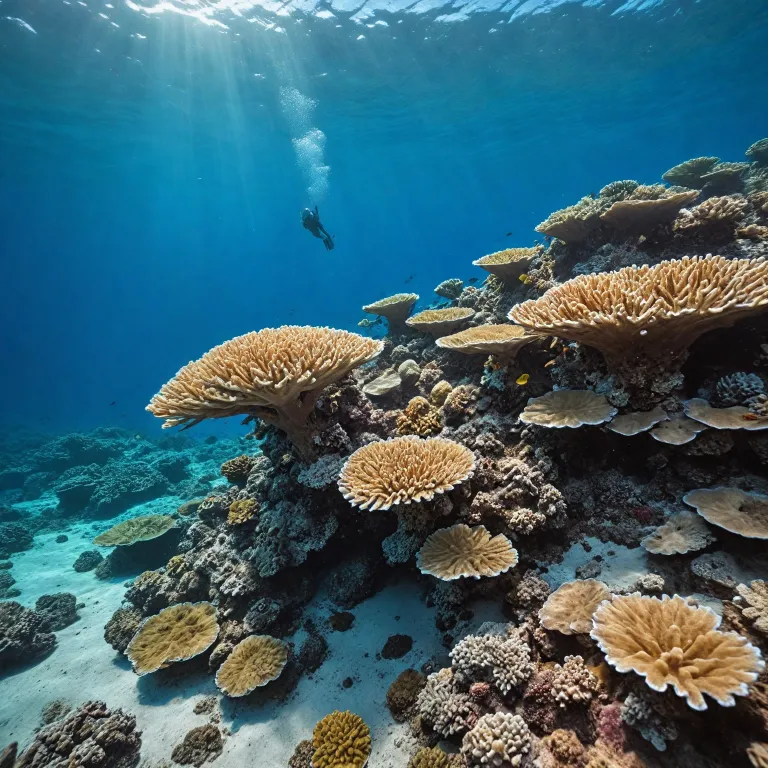
Understanding eco-friendly dive operators and their impact on marine travel
Eco-friendly dive operators have become essential in shaping the future of marine travel and conservation. These operators prioritize sustainable diving practices, ensuring that every dive and every diver contributes positively to the marine environment. By implementing strict codes of conduct and supporting marine conservation, they help protect coral reefs and marine life for future generations. The rise of eco dive centers and environmentally friendly dive resorts reflects a growing demand for responsible diving and sustainable tourism.
Green Fins and PADI Eco Centers are at the forefront of this movement, setting benchmarks for eco conscious dive operations. Their initiatives, such as the Green Fins code of conduct and PADI AWARE's Adopt the Blue program, educate divers and staff on sustainability and responsible diving. These eco dive operators also engage local communities, fostering a culture of marine conservation and environmental stewardship. Choosing an eco-friendly dive operator ensures that your dive travel supports both marine biodiversity and the well-being of coastal communities.
As more divers seek out sustainable experiences, the role of eco-friendly dive operators becomes increasingly significant. They not only provide access to pristine dive sites but also champion the protection of marine parks and reefs. Through their commitment to green practices, these operators are redefining what it means to be a responsible diver and traveler in the modern era.
Key principles of sustainable diving practices
Sustainable diving practices are the cornerstone of eco-friendly dive operators. These principles guide every aspect of dive center operations, from the use of reef-safe products to the management of dive sites. Responsible diving begins with education—divers are taught about buoyancy control, proper use of fins, and the importance of not touching or disturbing coral and marine life. This approach minimizes the environmental footprint of each dive and helps preserve the delicate balance of marine ecosystems.
Eco dive centers often participate in conservation programs and encourage divers to join activities such as reef cleanups and citizen science projects. By integrating sustainability into daily operations, these centers demonstrate a commitment to marine conservation that goes beyond compliance. The adoption of eco friendly technologies, such as solar-powered boats and water recycling systems, further reduces the impact of dive tourism on the environment.
Collaboration with organizations like Green Fins and PADI AWARE Foundation ensures that eco-friendly dive operators remain at the cutting edge of sustainable tourism. Their adherence to a strict code of conduct sets them apart as leaders in responsible diving. For those seeking a truly green dive experience, selecting a dive center certified by these organizations is a meaningful way to support sustainability and marine protection. For more insights on sustainable travel, visit our guide to responsible marine tourism.
Leading eco-friendly dive centers and resorts around the world
Globally, a growing number of dive centers and resorts are embracing eco friendly and sustainable practices. Ceningan Divers in Indonesia, for example, is recognized as the top Green Fins Dive Operator in the country and ranks among the best worldwide. Their commitment to sustainability is evident in every aspect of their operations, from energy-efficient facilities to active participation in marine conservation initiatives. Similarly, Scuba Junkie SEAS operates an eco conscious dive resort that integrates green technologies and supports local conservation projects.
Explorer Ventures, a liveaboard operator, stands out as the first to receive official Green Fins Membership. Their environmentally friendly approach to dive travel includes strict adherence to the Green Fins code of conduct and ongoing education for divers and crew. These leading dive operators demonstrate that eco friendly practices can be seamlessly integrated into high-quality dive experiences. Their efforts inspire other dive centers to adopt similar standards, creating a ripple effect throughout the industry.
When planning your next dive travel adventure, consider choosing a dive resort or center that prioritizes sustainability and marine conservation. Not only will you enjoy world-class scuba diving, but you will also contribute to the long-term health of coral reefs and marine life. For a curated list of eco-friendly dive centers, explore our recommended sustainable dive operators.
How divers can support marine conservation through responsible diving
Divers play a crucial role in supporting marine conservation and promoting sustainability. By choosing eco-friendly dive operators, divers ensure that their activities align with the principles of responsible diving. Participating in conservation activities, such as reef monitoring and marine debris removal, allows divers to make a tangible impact on the environment. Simple actions, like using reef-safe sunscreen and practicing good buoyancy control, help protect coral reefs and marine life.
Eco conscious divers are encouraged to follow the Green Fins code of conduct and adhere to the guidelines set by their dive center. This includes respecting marine parks, avoiding contact with marine life, and minimizing waste during dive trips. Many eco dive centers offer educational workshops and training on sustainable diving practices, empowering divers to become ambassadors for marine conservation. As the quote from the dataset highlights, "Divers can contribute by choosing eco-friendly dive operators, participating in conservation activities, using reef-safe products, and practicing responsible diving behaviors."
By supporting environmentally friendly dive operators and promoting sustainability within the diving community, divers help ensure the long-term viability of dive tourism. Their collective efforts contribute to the preservation of reefs, marine parks, and the broader marine environment.
The role of certifications and codes of conduct in eco dive operations
Certifications and codes of conduct are vital tools for ensuring the sustainability of dive operations. Organizations like Green Fins and PADI Eco Centers set rigorous standards for eco friendly practices, providing a framework for dive centers to follow. These certifications signal to divers that a dive operator is committed to marine conservation and responsible tourism. The Green Fins code of conduct, for example, covers everything from waste management to diver education and reef protection.
Eco dive centers that achieve these certifications often participate in ongoing training and assessment, ensuring continuous improvement in their sustainability efforts. The adoption of best practices, such as reducing single-use plastics and supporting local conservation initiatives, further distinguishes these operators. As the dataset notes, "Green Fins is an initiative that works with dive operators to implement environmental standards through a code of conduct, aiming to protect and conserve coral reefs by promoting sustainable diving and snorkeling tourism."
For divers, choosing a certified eco-friendly dive operator provides peace of mind and assurance that their dive travel supports positive environmental outcomes. These certifications also encourage other dive centers to elevate their standards, driving industry-wide progress toward sustainability and marine conservation.
Future trends in sustainable dive tourism and marine environment protection
The future of dive tourism is increasingly shaped by sustainability and environmental awareness. As more divers seek eco friendly experiences, dive operators are innovating with new technologies and practices to minimize their impact on the marine environment. The adoption of green fins, solar-powered boats, and water-saving systems reflects a broader commitment to sustainability across the industry. Collaboration between dive centers, conservation organizations, and local communities is also on the rise, leading to more effective marine conservation efforts.
Statistics from the dataset reveal a significant increase in the number of dive operators adopting eco-friendly practices. With over 600 Green Fins members worldwide, the movement toward responsible diving is gaining momentum. Enhanced recognition of sustainable diving certifications and greater collaboration between stakeholders are driving positive change in marine tourism. As the quote from the dataset states, "Sustainable diving is crucial to minimize the environmental impact of diving activities, protect marine ecosystems, and ensure the longevity of dive tourism."
Looking ahead, the continued growth of eco-friendly dive operators and the expansion of marine conservation initiatives will play a pivotal role in safeguarding the world's reefs and marine life. Divers, dive centers, and industry partners must work together to promote sustainability and ensure that the wonders of the underwater world remain accessible for generations to come.
Key statistics on eco-friendly dive operators and sustainable marine travel
- Number of Green Fins Members: 600 dive operators globally
- Top Green Fins Dive Operators in Malaysia: 7 dive centers
- Increasing number of dive operators adopting eco-friendly practices
- Growing recognition of sustainable diving certifications
- Enhanced collaboration between dive operators and conservation organizations
Frequently asked questions about eco-friendly dive operators and marine conservation
What is Green Fins?
Green Fins is an initiative that works with dive operators to implement environmental standards through a code of conduct, aiming to protect and conserve coral reefs by promoting sustainable diving and snorkeling tourism.
How can I find eco-friendly dive operators?
You can look for dive operators certified by Green Fins or recognized as PADI Eco Centers, as they adhere to sustainable diving practices.
Why is sustainable diving important?
Sustainable diving is crucial to minimize the environmental impact of diving activities, protect marine ecosystems, and ensure the longevity of dive tourism.