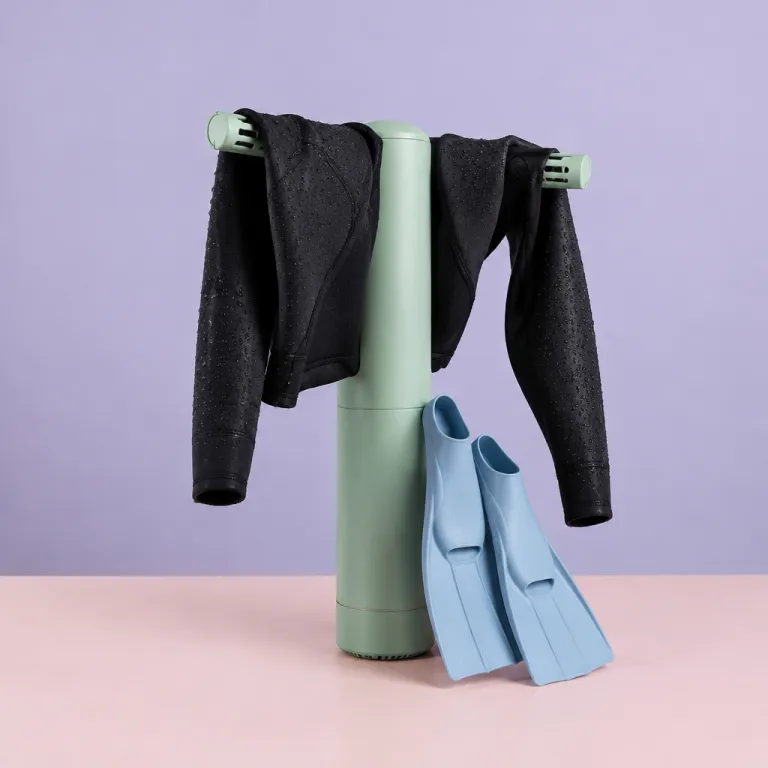
Why a dedicated wetsuit dryer matters for serious marine travel
A dedicated wetsuit dryer changes how you plan every dive day. When your wetsuit and other neoprene gear dry fast, you extend your comfort window and reduce the risk of skin irritation between repetitive dives. On multi day liveaboard itineraries, a reliable dryer can be the difference between eager anticipation and dreading the next cold, clammy suit.
Traditional drying racks and a simple hanger leave a wetsuit dripping for hours, while humid cabins on dive boats slow the drying time even more. By circulating warm or ambient air through the suit, a purpose built wetsuit dryer helps you achieve a genuinely dry wetsuit inside and out, not just a surface that feels less wet. This controlled drying process also protects the suit lining, glue, and seams from the damage caused by constant sun exposure on deck.
For traveling divers, a portable dryer that fits in a bag with other small accessories is now realistic, especially for those who surf and dive on the same trip. Compact dryer wetsuit systems weigh little, plug into standard outlets, and can be used in guesthouse bathrooms without dripping water everywhere. That means you can hang wetsuit garments neatly, keep the floor dry, and arrive at your next marine destination with gear that smells fresh instead of like a forgotten harbor.
How fast drying protects your wetsuit, dry suit, and health
Neoprene stays damp for a long time, so a wetsuit dryer is not just about comfort. When a wetsuit, dry suit, or neoprene accessories remain wet, bacteria and fungi thrive in the warm, dark folds of the fabric. Over repeated dive days, that moisture can lead to unpleasant odors and higher chances of skin irritation or ear infections.
Using a dryer designed for wetsuits shortens the drying time dramatically, often turning an overnight wait into roughly an hour drying cycle in favorable conditions. Some electric models push air minute after air minute through the torso and legs, ensuring that even thicker dry suits and semi dry suits lose trapped moisture efficiently. By the time you pull the suit from the hanger, you have a genuinely dry suit interior that feels more hygienic against your skin.
Gloves, boots, booties, and hoods benefit just as much from targeted wetsuit drying, because these small items are usually the last to dry and the first to smell. A compact dryer suit accessory with multiple arms can direct airflow into these items, so they are dry items by the next briefing instead of soggy afterthoughts. If you are considering color changing neoprene or advanced suit technology, pairing that investment with efficient drying gear is a logical step, and resources on wetsuit color innovation and safety show how material science and care routines now go hand in hand.
Choosing the right wetsuit dryer for travel, surf, and dive operations
Selecting a wetsuit dryer starts with clarifying how and where you travel. Independent divers who move between surf breaks and reef sites usually prefer a portable product that fits into a standard bag with other gear items. Dive centers, on the other hand, need a more robust dryer suit system that can handle multiple wetsuits and dry suits every hour.
Look closely at the stated drying time for a typical 3 mm or 5 mm wetsuit, because this figure reveals how powerful the dryer really is. Some compact models promise an hour drying cycle for a single suit, while larger wall mounted units can dry wetsuits in batches, using carefully directed air minute by air minute through each sleeve and leg. Always check whether the hanger design supports the full weight of a soaked suit, since a weak hanger can stretch neoprene shoulders and shorten the life of your investment.
Travelers should also evaluate size color options, because a bright dryer wetsuit system is easier to spot in a crowded gear room or on a liveaboard deck. If you often surf at dawn and dive later, a small dryer that fits under a bench can quietly handle gloves, boots, and booties between sessions. For professional operations, thinking about inventory management is essential, so choosing modular dryers that can be expanded as your business grows will keep your shipping and storage logistics under control.
Costs, price save strategies, and payment options for divers and operators
Initial price often makes divers hesitate before buying a dedicated wetsuit dryer. Yet when you compare the cost of one dryer to the price of replacing a suit that has degraded from constant sun drying, the long term economics shift quickly. Many divers find that a single dryer helps them price save over several seasons by extending the life of multiple wetsuits and dry suits.
For small dive schools and surf camps, treating a dryer as a core business asset rather than a luxury accessory is a practical mindset. Faster wetsuit drying means you can rotate fewer suits through more guests, which improves inventory management and reduces the number of spare items you must keep in every size color combination. When you factor in lower shipping fees for replacement gear and fewer emergency purchases during peak season, the return on investment becomes clear.
Most specialist retailers now accept payment by credit card and offer free shipping or discounted delivery when a wetsuit dryer is shipped with other gear. If you time your purchase during seasonal promotions, you may receive a free hanger or extra accessories that help you hang wetsuit garments more efficiently. For traveling divers who value convenience, a portable dryer that qualifies for free shipping can be a smart product choice, especially when the final price includes both the unit and protective storage for the bag wetsuit combination in transit.
Practical drying routines on liveaboards, resorts, and surf road trips
Once you own a wetsuit dryer, the real gains come from disciplined routines. After each dive or surf session, rinse your wetsuit, dry suit, gloves, boots, and booties thoroughly in fresh water before placing them on the dryer. Salt crystals and sand trapped inside the suit slow drying and can scratch the lining, so a careful rinse always pays off.
Hang wetsuit garments on a sturdy hanger that supports the torso and shoulders, then connect the dryer so air minute by air minute reaches the deepest parts of the suit. On liveaboards, position the dryer in a well ventilated corner of the dive deck or a dedicated drying room, keeping electrical components away from standing water. Many crews now integrate these devices into their standard gear care briefings, because efficient wetsuit drying keeps shared spaces cleaner and reduces lingering odors.
During road trips that combine surf breaks and reef dives, a portable dryer becomes part of your daily packing ritual. You can run a short hour drying cycle in a guesthouse bathroom while you log dives or plan the next day’s route. For teams that coordinate complex expeditions, tools like wrist worn digital communication systems, described in detail in this guide to modern scuba operations, pair naturally with structured drying routines, because both approaches prioritize safety, organization, and comfort.
Learning to read your wetsuit and adapt drying to conditions
Understanding how your specific wetsuit behaves when wet is a skill worth developing. Different neoprene densities, linings, and suit cuts hold water differently, so learning your wetsuit helps you fine tune drying time and airflow. A thick semi dry suit or technical dry suit will always need more time on the dryer than a thin tropical suit used mainly for surf sessions.
Pay attention to how long it takes to achieve a truly dry wetsuit in various climates, from humid equatorial islands to breezy Mediterranean coasts. In damp environments, you may need to extend the hour drying cycle or run two shorter cycles, especially for gloves, boots, and booties that trap water in narrow spaces. In cooler regions, pre warming the suit slightly on the dryer suit setting before a night dive can make the first minutes in the water far more comfortable.
Keep a simple log of drying routines as part of your broader gear notes, alongside entries on air consumption and weighting. Over time, these observations become a personal guide to wetsuit drying, helping you adjust for changes in suit thickness, age, and even body shape. When you eventually replace or upgrade your gear items, this experience will inform which product features, from hanger design to portable power options, truly matter for your style of marine travel.
Logistics, shipping, and protecting your dryer during global dive travel
Once you rely on a wetsuit dryer, planning how to move it between destinations becomes part of your travel strategy. Many portable models are designed to fit inside a standard bag with a folded wetsuit and other small accessories, which simplifies airline check in. To protect both the dryer and the suit, place harder items away from delicate seals and avoid sharp edges that could damage neoprene during long flights.
When ordering a new dryer from abroad, compare shipping options carefully, especially if the product will be shipped to remote islands or liveaboard departure ports. Some retailers offer free shipping thresholds or reduced delivery fees when you combine the dryer with other gear items, which can significantly price save for international customers. Always confirm estimated shipping times against your departure date, because a delayed package arriving after you leave helps neither your business nor your personal dive plans.
For dive centers managing multiple dryers, clear inventory management procedures are essential, from tracking serial numbers to recording maintenance dates. Label each unit with its size color or station number, so staff can quickly assign a dryer suit setup to specific wetsuits or dry suits during busy changeovers. By treating the wetsuit dryer as a core operational asset rather than a casual accessory, you ensure that every guest steps into a dry suit, enhancing comfort, safety, and the overall perception of your operation.
Key figures on wetsuit care, drying, and gear longevity
- Laboratory testing published by neoprene manufacturers such as Sheico and Yamamoto has reported that repeated intense UV exposure can reduce neoprene flexibility by roughly 20 to 30 percent over several seasons, while controlled shade or mechanical drying significantly slows this degradation (see, for example, Sheico Group technical bulletins on neoprene aging and Yamamoto Corporation material data sheets on UV resistance).
- Manufacturer case studies from powered wetsuit dryer brands, including Hangair and DryFreak, show that a 5 mm wetsuit left to drip dry in humid air can remain damp internally for more than 24 hours, whereas a powered wetsuit dryer often reduces this to roughly 1 to 2 hours, depending on airflow and ambient temperature (based on internal product testing data published in their user manuals and marketing white papers).
- Industry surveys among European dive schools, summarized in reports from organizations such as the European Underwater Federation and regional training agencies, indicate that efficient gear rotation and drying routines can cut the number of spare rental suits required by around 15 to 25 percent, freeing budget for safety equipment and staff training.
- Health guidance from diving medicine specialists, including articles in journals like Diving and Hyperbaric Medicine and statements from the Divers Alert Network (DAN), highlights that consistently wet neoprene in contact with skin increases the risk of bacterial and fungal irritation, especially during multi day dive trips with several entries per day.
- Operational data from liveaboard fleets reported in trade publications such as DIVE Magazine and Undercurrent show that structured drying areas and mechanical dryers reduce clutter on deck, which in turn lowers minor trip and slip incidents linked to scattered wet gear.
FAQ about wetsuit dryers for diving and marine travel
Is a wetsuit dryer safe for all types of neoprene suits ?
Most modern wetsuit dryers are designed for standard neoprene wetsuits, semi dry suits, and many shell type dry suits, but you should always check the manufacturer’s temperature and airflow recommendations. Avoid very high heat settings, because excessive warmth can damage glue and tape over time. If in doubt, start with shorter cycles and inspect seams and linings regularly.
How long should I run a wetsuit dryer after each dive ?
For a typical 3 mm or 5 mm wetsuit, many divers find that 60 to 90 minutes on a moderate setting is enough to achieve a dry wetsuit in temperate conditions. Thicker suits, integrated hoods, and dense linings may require longer or a second cycle, especially in humid climates. Always ensure the interior feels completely dry before packing the suit into a bag.
Can I use a wetsuit dryer for gloves, boots, and other accessories ?
Yes, many systems include dedicated arms or adapters for gloves, boots, booties, and hoods, which are often the slowest items to dry. Directing airflow into these small spaces helps prevent persistent odors and reduces the chance of bacterial growth. Just avoid overloading the dryer, so air can circulate freely around every item.
What should I look for when buying a portable wetsuit dryer for travel ?
Traveling divers should prioritize compact size, low weight, and compatibility with local electrical standards. A sturdy hanger, gentle airflow, and a design that fits easily into a standard gear bag make daily use far more practical. Checking warranty terms, spare part availability, and real user feedback from dive communities also helps you choose a reliable product.
Does using a wetsuit dryer really extend the life of my gear ?
Consistent, controlled drying reduces the time your suit spends wet and minimizes harsh sun exposure, both of which slow material fatigue. Many dive operators report fewer seam failures and less cracking in linings when they adopt structured wetsuit drying routines. While no dryer can stop natural aging, it can significantly delay the point at which a suit becomes uncomfortable or unsafe to use.