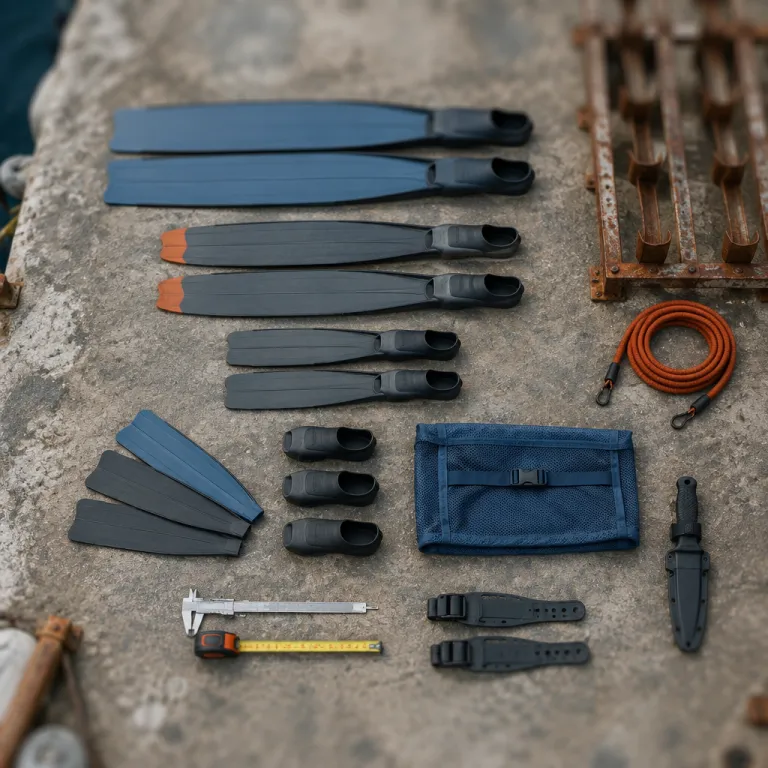
Understanding freedive fins for travel focused underwater explorers
Freedive fins are the engine of your body in the water. When you plan marine travel that blends freediving, scuba diving, and spearfishing, the right fin and blade combination shapes every dive. Selecting suitable fins for your skill level and destination protects your joints, preserves precious breath hold time, and keeps travel days more enjoyable.
Long freediving fins use extended blades, typically 70 to 90 centimetres measured from the back of the foot pocket to the blade tip, to convert slow, soft kicks into efficient propulsion. Compared with short scuba fins, these long fin blades reduce oxygen consumption, which matters when you freedive repeatedly to 15 or 20 metres. For travellers who mix reef photography, relaxed snorkelling, and occasional spearfishing, one pair of versatile travel freediving fins can replace several pairs of traditional scuba models.
Travel divers often ask whether carbon fins or fiberglass blades are worth the higher price. Carbon blades feel extremely reactive and light under the foot, while fiberglass constructions offer durability and a more forgiving response for a beginner. If you expect rough boat decks, crowded gear bags, and frequent flights, fiberglass fins or hybrid carbon blades may outlast ultra stiff competition models that are optimised for pool training rather than luggage holds. Performance comparisons from manufacturers such as Cressi, Mares, and OMER, as well as training agency materials from AIDA and SSI, consistently highlight this trade off between responsiveness and robustness.
Choosing blades, stiffness, and foot pockets for comfort and control
The heart of any freedive fins setup is the combination of blades and foot pockets. A well matched foot pocket holds your foot securely without crushing it, which prevents cramps during a long dive. Poorly fitted pockets or a badly aligned foot pocket can twist your ankles, waste energy with every kick, and increase the risk of overuse injuries on multi day trips.
For travel, many experienced freediving athletes prefer soft or medium stiffness blades rated around 1 to 3 on common stiffness scales. A soft blade reduces strain on the knees and hips, especially when you wear thicker wetsuits and heavier masks and snorkels in colder water. Stiffer carbon blades or fiberglass blades can feel powerful but unforgiving for a beginner who has not yet refined technique or equalisation rhythm. Training agency manuals from organisations such as Molchanovs and RAID note that softer fins often help new divers maintain streamlined body position and relaxed finning.
Detachable blade systems allow you to swap carbon fins for fiberglass blades on the same pair of foot pockets. This modular approach is ideal when you alternate between relaxed reef freediving and more demanding spearfishing sessions. For example, a traveller might use a soft fiberglass blade around 75 centimetres for casual reef photography, then switch to a medium stiffness carbon blade of similar length for deeper spearfishing. For a deeper technical breakdown of portable options, a comprehensive guide to choosing freediving portable fins for marine travel from training agencies and equipment manufacturers explains how travel friendly carbon blades and fiberglass constructions compare in real world use.
Matching freedive fins to freediving, spearfishing, and scuba diving
Not every underwater activity demands the same freedive fins characteristics. When your trip mixes pure freediving, active spearfishing, and occasional scuba diving, you must balance efficiency, manoeuvrability, and safety. Long black freediving fins excel in straight line descents, while shorter scuba fins feel easier around wrecks, tight coral swim throughs, and crowded ascent lines.
For reef spearfishing, many travellers choose spearfishing fins with medium stiffness fiberglass or carbon blades. These spearfishing fins provide quick acceleration when you track fish with a speargun, yet remain manageable during surface swimming between spots. If you plan long surface swims in blue water, softer carbon fins or fiberglass blades reduce leg fatigue and help maintain a relaxed breathing rhythm between dives. As a reference, popular spearfishing models with blades around 80 to 85 centimetres are often recommended for mixed reef and blue water conditions.
When you add scuba diving days to a freediving itinerary, consider whether your long fins will fit safely on crowded dive boats. Some scuba operators prefer traditional scuba fins because they are shorter and easier to handle around tanks and gauges. If you want one pair for everything, choose medium length fins with freediving inspired foot pockets and removable blades so you can adapt your gear to both scuba and breath hold dives. Medium length travel fins typically measure about 60 to 70 centimetres overall, which makes them easier to stow in standard luggage while still offering better efficiency than very short recreational snorkelling fins.
Materials, colours, and travel durability for marine adventures
Material choice in freedive fins directly affects performance, durability, and sale price. Entry level plastic fins keep the initial price low, but they feel heavier and less responsive than fiberglass or carbon options. Travellers who dive often usually upgrade to fiberglass blades or carbon fins within a few seasons as skills and depth targets increase.
Fiberglass blades offer an excellent balance between resilience and performance for marine travel. These fiberglass constructions tolerate knocks from boat ladders, rocky entries, and crowded gear bags better than many ultra light carbon blades. When you pack for a long trip, that toughness can matter more than the last few percent of efficiency, especially if you rely on public transport or small island ferries. Retailer reports from large online dive stores and brand catalogues from companies such as Pathos and Salvimar frequently highlight fiberglass as the preferred material for travelling freedivers who prioritise reliability.
Colour also plays a role in safety and style during a dive. High visibility blue or white fins make it easier for a buddy to track your foot movements in low visibility, while classic black fins remain popular with spearfishing enthusiasts who prefer a discreet profile. Matching your freediving masks, snorkels, and wetsuits to your fins is not only aesthetic; it also helps you organise equipment quickly on busy decks and avoid mixing gear with other travellers.
Fit, sizing, and comfort for long days in the water
A beautifully engineered pair of freedive fins fails if the fit is wrong. Your foot should slide into the foot pocket with mild resistance, then feel evenly hugged without sharp pressure points. When you stand on land, the fin should align naturally with your leg, without forcing your ankle to twist or your toes to curl uncomfortably.
Most freediving fins are designed to be worn with thin neoprene socks, which protect the skin and fine tune sizing. Always try both the fin and socks together, because the extra millimetres around your foot can change how the foot pockets feel during a long dive. If you rent equipment on the road, test several travel fins models in the water before committing to a full day trip or liveaboard itinerary. A simple in water test is to swim 50 to 100 metres at the surface and one or two shallow dives; any rubbing, numbness, or hot spots usually appear quickly.
Comfort extends beyond the foot itself. Check that the weight of the blades, whether fiberglass or carbon, matches your leg strength and kicking style. A beginner often benefits from soft carbon or softer fiberglass constructions, while experienced freediving spearfishing practitioners may prefer slightly stiffer fin blades for rapid acceleration with a speargun and confident control in current. For example, a compact traveller with lighter build might choose a soft stiffness rating, whereas a taller, stronger diver who regularly swims against current could select a medium stiffness blade for better drive.
Budget, value, and packing strategy for dive travel
Planning a marine travel budget means weighing the price of freedive fins against other essentials. High quality carbon fins can cost several times more than basic plastic models, yet they may last longer and transform how efficiently you move underwater. When you compare sale price offers, consider not only the sticker price but also expected lifespan, airline baggage fees, and the cost of renting fins at every destination.
Long blades require thoughtful packing to avoid damage during a dive trip. Use rigid gear bags or padded sleeves to protect fiberglass blades and carbon blades from impacts in transit. Many travellers place fins along the side of a suitcase, wrapping the foot pockets in wetsuits and T shirts while keeping masks, freediving masks, and snorkels in separate protective cases or small hard boxes. As a rough guide, a typical pair of long freediving fins with blades around 80 centimetres usually fits diagonally in a 90 to 100 centimetre long gear bag or a large checked suitcase.
For mixed itineraries that include both freediving and scuba diving, it can be tempting to rent fins at each destination. However, owning well fitted freedive fins, a reliable pair of masks, and a streamlined bag often proves better value over several seasons of travel. For broader equipment planning, a detailed guide to choosing scuba rental tanks and gauges for a safe, elegant dive trip from recognised training organisations can help you decide which heavy items to rent and which to carry.
Key statistics about freedive fins and underwater travel performance
- Training materials from major freediving organisations and independent coaching analyses report that long freediving fins can reduce oxygen consumption by roughly 10 to 15 percent compared with short recreational fins, which directly extends safe dive times for experienced athletes when combined with proper technique. This range is based on pool and open water efficiency tests published by coaching groups and summarised in manufacturer white papers rather than a single peer reviewed study.
- Market analyses from leading scuba diving and freediving gear retailers indicate that fiberglass blades and carbon fins together now represent more than half of fin sales in performance oriented segments, reflecting a shift away from basic plastic models among frequent travellers. Large online stores and brand sales reports from companies such as Mares, Cressi, and Beuchat consistently describe this trend in their annual summaries.
- Travel insurance summaries from dive focused policies show that lower limb overuse injuries account for a significant share of non barotrauma claims, underlining the importance of correctly matched fin stiffness, comfortable foot pockets, and realistic daily dive volumes. Insurers that specialise in scuba and freediving travel regularly highlight leg and ankle strains as preventable issues in their safety briefings.
- Consumer surveys among spearfishing fin users, reported by specialist magazines and online communities, reveal that more than 60 percent of respondents prefer medium stiffness fiberglass or carbon constructions, citing a balance between power and reduced fatigue during long surface swims. These informal surveys align with retailer feedback that medium stiffness models are the most commonly reordered spearfishing fins.
FAQ about freedive fins for diving and marine travel
How are freedive fins different from regular scuba fins ?
Freedive fins use much longer blades and snug closed foot pockets to convert slow, efficient kicks into strong propulsion, while regular scuba fins are shorter and often use open heel straps for use with boots. The longer design of freediving fins reduces oxygen consumption during breath hold dives. However, these long fins can feel less manoeuvrable than compact scuba diving models in tight spaces or when climbing boat ladders.
Should a beginner choose carbon fins or fiberglass blades ?
A beginner usually benefits from softer fiberglass blades or hybrid constructions rather than very stiff carbon blades. Fiberglass offers a forgiving flex pattern that reduces strain on ankles and knees while technique develops. Once you have solid finning skills, clear depth goals, and experience with travel conditions, upgrading to higher performance carbon fins can make more sense.
Can I use the same fins for freediving, spearfishing, and scuba ?
Many travellers successfully use one pair of medium stiffness freedive fins for freediving, spearfishing, and occasional scuba diving. The key is choosing detachable blades and comfortable foot pockets so you can adapt stiffness and length to each activity. For heavy duty scuba use in strong currents or technical environments, some divers still prefer shorter dedicated scuba fins.
How tight should freedive fin foot pockets feel ?
Foot pockets should feel snug but not painful when worn with appropriate neoprene socks. Your toes can lightly touch the end of the pocket, yet you should still be able to wiggle them slightly. Any sharp pressure, numbness, or twisting sensation during a test swim indicates that a different size or model is needed, especially if you plan repeated travel days.
Are black fins better than coloured models for travel diving ?
Black fins remain popular for spearfishing because they look discreet underwater and often come in robust materials. Coloured options such as blue or white improve visibility for buddies and boat crews, which can enhance safety in busy areas or choppy surface conditions. The performance difference comes from blade design and material, not from the colour itself, so choose the shade that best suits your travel style and safety needs.