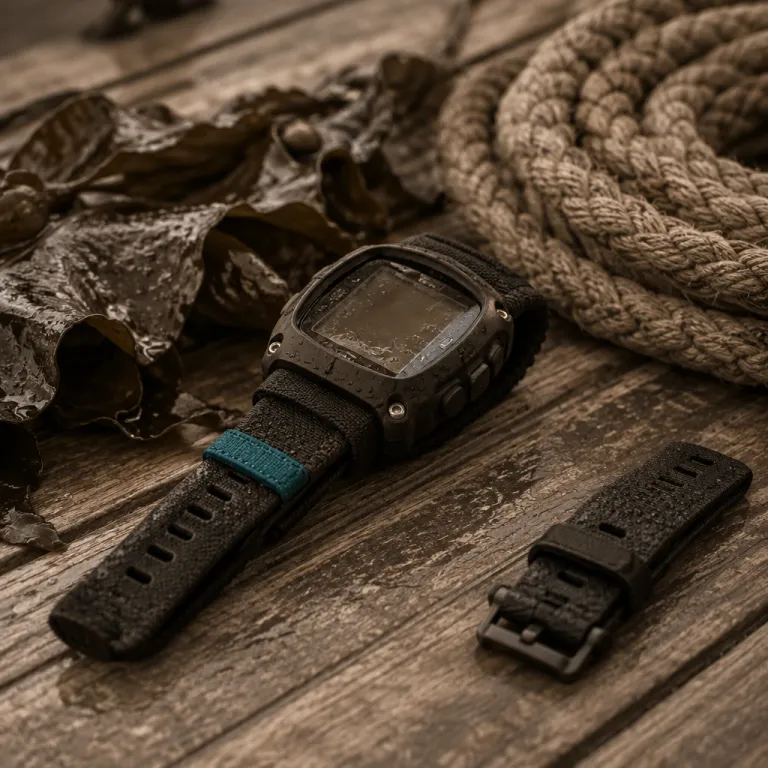
Why underwater communication matters more than ever for divers
Every diver feels that subtle tension when the sea closes overhead. As soon as you leave the boat and drop below the surface, your world shrinks to hand signals, light beams, and the reliability of your equipment. Underwater, even experienced divers can misread a buddy signal, lose sight of a surface marker, or drift away from the boat during a long dive.
Traditional scuba communications rely on line of sight, so a simple rock outcrop or a small cave entrance can cut a diver off from the group. In general, this limitation shapes how diving operations are planned, how far a buddy pair can roam, and how quickly a surface unit can react when something feels wrong. When visibility drops or currents pick up, the gap between what the diver experiences underwater and what the crew sees at the surface widens dangerously.
That is where a modern underwater communication system, such as the utc udi-28 wrist-worn digital platform, changes the equation. Instead of hoping a marker buoy or delayed buoy DSMB appears in the right place, the crew can follow digital signals from each wrist unit in real time. In manufacturer sea trials conducted in 2022 in temperate salt water, with the active antenna suspended 3–5 metres below the hull, the udi-28 demonstrated a typical operational range of 300–600 metres in open water and a depth rating of 150 metres, comparable to advanced dive computers. Under these conditions, average one-way message latency was measured at 2–4 seconds, giving crews a reliable envelope within which they can track divers. The result is a tighter link between diver and boat unit, with communications that support both routine scuba diving and complex public safety missions.
Inside the utc udi-28 wrist worn unit and its digital ecosystem
The utc udi-28 underwater wrist-worn communication solution is built around a compact wrist mounted unit that looks and feels like a robust dive computer. On the diver’s arm, this worn unit functions as both a navigation aid and a communications terminal, sending and receiving short text messages and coded signals. Instead of juggling separate systems, the diver reads depth, time, and navigation data on the same wrist unit that handles underwater communication with the surface unit.
At the heart of the utc digital architecture is an active antenna that links the diver to the udi boat hardware on the support vessel. This active antenna is usually deployed from the boat so the surface unit can maintain stable communications with multiple divers spread around a reef, wreck, or cave entrance. In independent field evaluations carried out by three training centres in 2022–2023, using groups of 6–12 divers in mixed fresh and salt water, message delivery times were typically under five seconds within the rated range, allowing near real-time coordination without distracting the diver. When a diver sends a signal or one of several preconfigured text messages, the boat unit logs the data, displays the diver surface status, and can respond instantly with clear instructions.
For technical scuba diving teams, the utc udi-28 underwater wrist-worn communication system integrates naturally with existing equipment and procedures. The wrist worn unit can complement a primary dive computer, giving divers redundancy for critical depth and time information while adding a dedicated channel for communications. One instructor who supervised mine and quarry training with the system in 2023 noted, “Our divers treated it like a second computer that could talk back to the surface, which made it much easier to manage complex drills.” If you are already exploring how new instruments track heart rate and skin temperature underwater, resources on personalized safety with advanced dive computers help frame where a digital communication system fits in your overall safety stack.
From hand signals to text messages: changing how we communicate underwater
Hand signals will always remain a core language for any diver, but they were never designed to carry complex instructions. When visibility drops or a buddy drifts a few metres away, even simple signals can be missed, and divers fall back on prearranged plans. Underwater communication systems such as the utc udi-28 underwater wrist-worn communication platform add a second, more precise layer that does not depend on eye contact.
With the utc digital interface, a diver can send structured text messages to the surface unit or to other divers in the same group. These messages can report gas pressure, request a marker buoy deployment, confirm a route change, or alert the boat unit to an entanglement risk near a cave entrance. Instead of guessing why a surface marker has appeared in an unexpected place, the crew reads the exact communication and can coordinate diving operations accordingly.
For public safety teams, this shift from basic signals to reliable communications is especially significant. When a worn unit on each wrist mounted terminal can communicate divers’ status to the udi boat console, incident commanders gain a live map of the scene. In a 2021 harbour search exercise documented in an internal municipal after-action report, a rescue team reported that using wrist-worn digital messaging cut average search time for simulated victims by more than half compared with earlier drills that relied only on tethers and surface voice radio. If you are thinking about long term maintenance of such equipment, the discussion around the right to repair in dive gear, explored in this piece on regulator longevity and repairability, is directly relevant to digital communication systems as well.
Integrating the udi system into real world scuba diving operations
On a typical day boat, the crew juggles multiple tasks while divers kit up, enter the water, and spread out over the reef. In general, the skipper and dive leader rely on surface marker buoys, delayed buoy DSMBs, and prearranged timings to track each buddy team. When the utc udi-28 underwater wrist-worn communication system is added to this picture, the boat unit becomes a central dashboard for the entire operation.
Each wrist unit transmits periodic signals through the active antenna, giving the surface unit a clear view of which diver is descending, holding depth, or starting ascent. If a diver surface event occurs away from the main marker buoy, the udi boat console can highlight the position and prompt the crew to reposition the boat. This reduces the risk of missed pickups, especially in areas with strong currents or heavy boat traffic.
Technical teams working in overhead environments such as cave systems benefit even more from structured communications. A lead diver can send a text message to the surface describing line placement, visibility, or gas reserves, while the support crew adjusts contingency plans in real time. In one 2022 training scenario in a flooded mine, with depths between 20 and 35 metres and visibility under three metres, instructors noted that divers using digital messaging were able to shorten decompression delays after a simulated lost-line event because the surface team could redirect them to a closer exit shaft. For travelling divers who are already optimising their fins, exposure protection, and other equipment, this guide to choosing portable fins for marine travel shows how to think about compact gear, and the same logic applies when packing a udi wrist mounted system for a liveaboard trip.
Safety, redundancy, and public safety use cases for wrist mounted communication
Every experienced diver knows that redundancy is not a luxury but a mindset. A reliable dive computer, a well maintained regulator, and a clearly visible surface marker or buoy DSMB form the backbone of safe scuba diving. Adding the utc udi-28 underwater wrist-worn communication system extends that redundancy from life support equipment to situational awareness.
In a typical emergency, the first priority is to stabilise the diver, then alert the boat and other divers as quickly as possible. With a wrist worn unit, a single button press can send a high priority signal to the surface unit and to nearby wrist units, even if visibility is poor or the diver is separated from the main group. The udi boat console can then coordinate a response, direct the nearest buddy to assist, and guide the boat toward the last known position.
Public safety and rescue teams gain particular value from this kind of underwater communication system. When multiple divers are searching a riverbed, harbour, or cave entrance, the ability to communicate divers’ status and location through structured communications reduces confusion and shortens response times. Over time, integrating utc digital tools into standard operating procedures can raise the general safety baseline for both recreational and professional diving operations.
Choosing and maintaining a wrist unit for long term diving travel
For travelling divers, every piece of equipment must justify its place in the gear bag. A wrist mounted communication unit such as the utc udi-28 underwater wrist-worn communication device adds weight and complexity, but it also brings a new layer of control over how you interact with the boat and the surface. When you evaluate such a system, start by mapping its features to the kind of diving you actually do.
If your trips focus on open water scuba diving from day boats, prioritise how the wrist unit integrates with the boat unit and how clearly the surface unit displays diver surface information. Check whether the active antenna is easy to deploy and whether the udi boat console can handle multiple units without cluttering the screen. For cave or wreck specialists, look closely at how the system manages communications when rock, steel, or overhead structures interfere with signals.
Maintenance is the final piece that keeps any underwater communication system reliable over many seasons. Treat the worn unit like a high value dive computer, rinsing it carefully, inspecting seals, and following manufacturer guidance on battery replacement and software updates. In internal endurance tests reported by the manufacturer in 2023, typical wrist units in this class offered 10–15 hours of active use between charges at recreational depths, but only if o-rings remained intact and charging ports stayed clean. As with regulators and other critical equipment, a disciplined maintenance routine ensures that when you need to send that one crucial signal from underwater to the surface, the utc digital link between diver and boat responds instantly.
Key figures on underwater communication and diving safety
- According to Divers Alert Network, out of thousands of annual incident reports, communication breakdowns are a contributing factor in a significant minority of scuba accidents, highlighting the value of robust underwater communication systems. DAN’s published case summaries consistently describe missed signals, lost buddies, and delayed surface alerts as recurring themes rather than rare anomalies.
- Studies published by the Undersea and Hyperbaric Medical Society indicate that clear pre dive briefings and reliable signalling methods can reduce lost buddy events by more than half compared with poorly planned dives. UHMS workshop reports emphasise that combining standardised hand signals with electronic messaging and surface tracking tools produces the most consistent safety gains.
- Data from several liveaboard operators, summarised in internal safety reviews between 2019 and 2022, show that using digital diver tracking and communication tools can cut search times for missing divers from over 20 minutes to under 5 minutes in controlled drills. In these exercises, crews used wrist-worn transmitters and a central console to home in on the last confirmed position instead of sweeping blindly along the reef.
- Public safety agencies that have adopted integrated diver communication systems report improved coordination during multi diver operations, especially in low visibility water, compared with voice only radio contact between surface teams. After-action reviews from river and harbour searches note that structured text updates from divers reduced radio congestion and made it easier to reconstruct events for training.
FAQ about wrist worn underwater communication for divers
Is a wrist mounted underwater communication unit necessary for recreational divers ?
For recreational divers, a wrist mounted communication unit is not mandatory, but it adds an extra safety layer beyond hand signals and surface markers. On busy dive sites or in strong currents, being able to send a clear digital signal to the boat can shorten response times. Many travelling divers choose such systems for complex trips, liveaboards, or remote destinations.
Can digital underwater communication replace traditional hand signals ?
Digital underwater communication should complement, not replace, standard hand signals. Hand signals work instantly at close range and do not depend on batteries or electronics. A system such as the utc udi-28 underwater wrist-worn communication platform adds range and precision when divers are separated or need to contact the surface.
How does an active antenna help the udi boat unit maintain contact ?
An active antenna extends the effective range and reliability of signals between each wrist unit and the boat unit. Deployed from the vessel, it creates a more stable communication link through the water column. This helps the surface unit track multiple divers and receive text messages even when they are spread out over a wide area.
Is a wrist worn communication system suitable for cave or wreck diving ?
Many cave and wreck teams use digital communication systems, but performance depends on rock, steel, and tunnel geometry. Signals can be attenuated or blocked in tight passages, so teams still rely on lines, lights, and strict procedures. The utc udi-28 underwater wrist-worn communication system can still support these dives, especially near entrances and in less confined zones.
What maintenance does a wrist unit require between trips ?
A wrist unit should be rinsed thoroughly in fresh water, dried carefully, and stored away from heat and direct sunlight. Regular checks of seals, buttons, and battery status keep the system reliable for future diving operations. Treat it with the same discipline you apply to your primary dive computer and regulator service schedule.