Why an underwater photo session elevates your dive travels
An underwater photo session turns a regular dive trip into a visual story. When you plan underwater photos with intention, the resulting underwater portraits capture not only faces but the emotion of the dive experience. These images from a dedicated underwater photoshoot will often become the most shared memories from your time in the water.
Many travelers now schedule a specific underwater photoshoot session during liveaboard itineraries or resort based scuba diving holidays, rather than relying on casual snapshots. This approach gives your underwater photographer time to understand your comfort level, choose the right type photoshoot concept, and prepare the gear that suits your style of underwater photography. By treating the underwater photo as a planned creative project, you allow space for both safety and artistry.
Think of your underwater sessions as you would any important portrait booking on land. You will coordinate with the photographer about locations in the ocean or in a pool, the best underwater lighting windows, and how long each photo session should last for your breath hold and scuba limits. This mindset transforms simple photos underwater into a curated underwater photoshoots portfolio that reflects your personal connection with the sea. As one Bali based underwater photographer explains to new clients, “We are not just taking pictures underwater; we are designing a small, safe adventure that feels like you.”
Choosing locations: ocean reefs, calm lagoons, and the local pool
Location shapes every underwater photo session, from color tones to your comfort while swimming. Clear tropical water on a shallow reef creates luminous underwater photos, while a sheltered lagoon or local pool offers more control for a stylized underwater photoshoot. Matching the site to your experience level and the type photoshoot you want is essential for both safety and aesthetics.
For scuba diving travelers, coral gardens in destinations such as Raja Ampat, the Red Sea, or Cozumel provide dramatic backdrops for underwater portraits. When you work with an experienced underwater photographer in these regions, they will know which sites offer minimal current, stable visibility, and enough space to stage an underwater portrait without disturbing marine life. If you are planning a night themed underwater photography project, a controlled environment such as a resort pool can be ideal, and you can deepen your preparation with a structured night diving photography briefing from your dive operator or training agency before the shoot.
Not every underwater photo session needs to happen in the open ocean. A heated local pool can be perfect for a trash dress concept, for family underwater photos, or for a first underwater photoshoot where you want to focus on breath control rather than scuba skills. Many underwater photographers highly recommend starting with photoshoot underwater practice in a pool before going to remote ocean sites, because this saves time on location and lets you refine poses and safety routines. Once you feel confident, you can then plan more ambitious photoshoots underwater in blue water, caverns, or seagrass meadows; for example, a typical progression might be one pool session, one shallow lagoon shoot, and then a final reef based underwater portrait session at the end of the trip.
Essential underwater camera gear and lighting for travelers
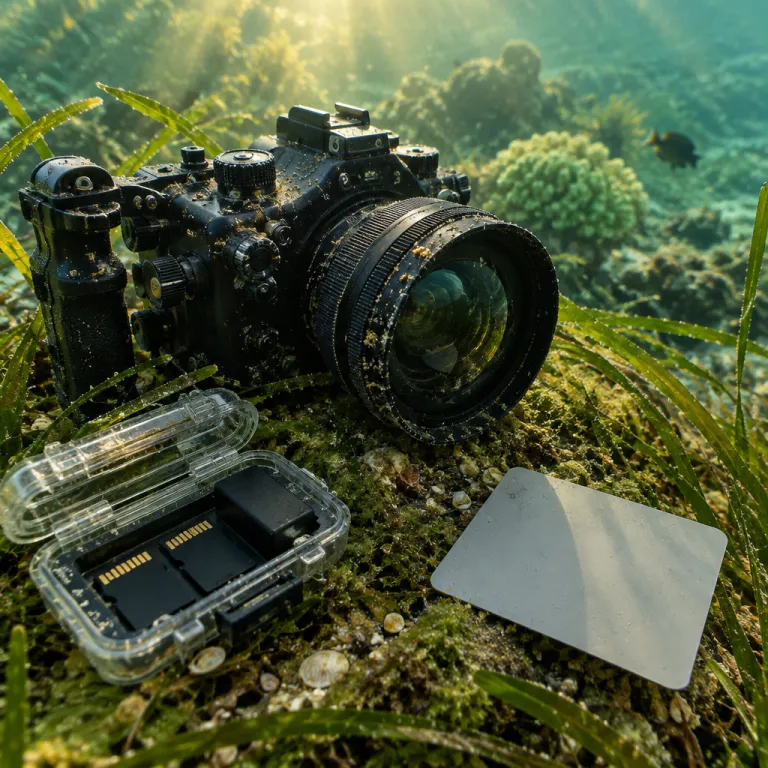
The quality of an underwater photo session depends heavily on the gear you bring or rent. Travel friendly underwater photography setups now range from compact cameras in housings to advanced mirrorless rigs with strobes, and each option shapes the look of your underwater photos. Before going on a trip, decide whether you want to prioritize portability, the best underwater image quality, or a balance of both.
For many dive travelers, a rugged compact camera with a dedicated housing offers a practical entry point into underwater photoshoots. A typical example would be a compact camera in a polycarbonate housing paired with a single mid power strobe or a 2500–3000 lumen video light, which can create crisp underwater portraits with accurate color even at 15 to 20 m depth. If your goal is to photograph marine life during the same photo session as your portraits, study expert guidance on mastering marine life photography so that your gear choices support both portrait and wildlife work, such as choosing a wide angle wet lens for reef scenes and a focus light for shy subjects.
Those who already own mirrorless or DSLR systems will benefit from wide angle lenses for full body underwater portraits and from macro lenses for detail oriented photos underwater. Always test your housing and ports in a pool before going on a liveaboard, because a leak during the first underwater sessions can end your photography underwater plans for the entire trip. Travelers who prefer to focus on the experience rather than technical details can hire an underwater photographer on site, which removes the need to carry fragile gear and lets you concentrate on breath, buoyancy, and posing. A simple pre trip checklist might include: confirm camera and housing depth ratings, inspect and clean O rings, pack silica gel and spare batteries, and back up memory cards after every underwater photo session.
Safety, breath control, and working with scuba during a photo session
Every underwater photo session must start with a clear safety plan that respects both your limits and the environment. Whether you are on scuba or holding your breath for freediving style underwater portraits, you will need a dedicated safety diver or assistant watching you at all times. This person is separate from the underwater photographer, whose attention will be on framing, light, and timing.
When you plan an underwater photoshoot that involves scuba diving, discuss gas management and depth limits in detail before entering the water. A reliable method is to calculate how long your scuba tank will last at the planned depth, using established gas consumption formulas explained in specialized dive planning resources, and then to reserve a generous margin for ascent and contingencies. During underwater sessions that mix scuba and breath hold work, agree on hand signals for when you will remove the regulator for a portrait and when you need to resume normal breathing.
Freediving style underwater portraits require calm, controlled breath cycles and realistic expectations about time underwater. Practice relaxed breathing at the surface, then short underwater photo attempts of only a few seconds, gradually extending the time as your comfort grows. Never hyperventilate before photoshoots underwater, and always prioritize safety over getting one more underwater photo, because a safe return to the boat or shore is the only outcome that truly counts. In incident reports from Divers Alert Network (DAN), most recreational scuba accidents involve poor planning or exceeding personal limits, which reinforces why a conservative approach to underwater photography sessions is essential.
Styling, posing, and creative concepts from trash dress to classic portraits
Styling choices can transform an underwater photo session from simple snapshots into cinematic images. Flowing fabrics, neutral colored wetsuits, and minimal accessories help the water move naturally around you and keep the focus on your face and body lines. Many underwater photographer teams now offer wardrobe guidance for each type photoshoot, from elegant underwater portraits to dramatic trash dress concepts.
The trash dress idea involves using a sacrificial gown or costume that you do not mind damaging, which will billow in the water and create surreal shapes around your body. When planning this style of underwater photoshoot, choose lightweight fabrics that will not weigh you down and test how they behave in a pool before going into the ocean. You will also need extra safety support, because heavy or tangled material can interfere with your swimming and your ability to reach the surface quickly.
Posing underwater differs significantly from posing on land, because buoyancy, breath, and current all affect your body position. Practice simple shapes such as elongated legs, relaxed hands, and a gentle arch of the back during pool based underwater sessions, then progress to more complex poses once you feel stable. Communicate with your underwater photographer about which angles you prefer, and review underwater photos between dives so that each new photo session builds on the previous experience and moves you closer to the best underwater portfolio you envision. One couple who booked a lagoon shoot in Cozumel reported that their favorite image came from the final ten minutes of the second session, after they had already reviewed the first day’s portraits and refined their poses together.
Planning, timing, and working with a professional underwater photographer
Good planning ensures that an underwater photo session fits smoothly into your wider dive itinerary. Start by deciding how many underwater sessions you want, then schedule them around key scuba diving excursions so that you are not fatigued when it is time for the photoshoot. Allow buffer time for changing gear, moving between the pool and the boat, and reviewing images with the photographer.
Light quality changes quickly underwater, so timing matters as much as location. Mid morning and early afternoon often provide the best underwater visibility and color for shallow portraits, while late afternoon can create softer tones for a romantic underwater portrait in a lagoon or calm bay. If you are going to shoot in a local pool, you will have more control over lighting, but you still need to coordinate with the underwater photographer about when the space is quiet and free from other swimmers.
When choosing a professional for your underwater photoshoots, look for a portfolio that includes both underwater photos and topside portraits, because this shows versatility and an understanding of human expression. Read client feedback where travelers highly recommend specific underwater photographer teams for their safety standards, communication, and ability to guide nervous swimmers through their first photoshoot underwater. A well organized photographer will brief you on safety, help you select appropriate gear, and manage the flow of each photo session so that the entire experience feels calm, enjoyable, and aligned with your travel goals; a simple sample timeline might include a 15 minute safety and styling briefing, 30 to 40 minutes of shooting, and 10 to 20 minutes of image review and warm up time.
Key statistics about underwater photography and dive travel
- A global dive tourism report from PADI estimated that there were more than 29 million certified divers worldwide by the early 2020s, and a growing share now book underwater photography services as part of their packages.
- Market analyses from imaging industry groups have shown that rugged and waterproof cameras represent a significant segment of compact camera sales, with CIPA shipment data indicating that water resistant models consistently account for a notable portion of fixed lens camera units sold to travelers seeking underwater photos during vacations.
- Training agencies such as SSI and RAID report consistent enrollment in underwater photography specialty courses, indicating sustained interest in learning how to manage camera gear, lighting, and safety during an underwater photo session.
- Studies on dive safety from organizations like DAN highlight that proper gas planning and adherence to depth limits significantly reduce incidents during recreational scuba diving, which directly supports safer underwater photoshoots.
FAQ about planning an underwater photo session
How long does a typical underwater photo session last during a dive trip ?
Most underwater sessions during a recreational dive last between 20 and 40 minutes, depending on depth, water temperature, and your gas consumption or breath hold ability. In a pool, a photo session can extend to one or two hours because you can exit the water easily to rest and review images. Always plan the duration with your underwater photographer and safety team so that comfort and safety remain the priority.
Is it better to shoot underwater portraits on scuba or while holding my breath ?
Both approaches work, but they create different aesthetics and safety considerations. Scuba allows more time underwater and relaxed posing, yet exhaled bubbles can appear in the frame and the gear may be visible in the portrait. Breath hold portraits feel more ethereal and gear free, but they require strong breath control, shallow depths, and very clear safety procedures.
Do I need my own underwater photography gear for a professional photoshoot ?
You do not necessarily need to bring your own camera gear for an underwater photo session with a professional. Many underwater photographers provide complete equipment, including housings, lights, and backup systems, and they will handle all technical aspects of underwater photography. If you prefer to use your own camera, arrange a pool test before the trip and confirm that your housing is rated for the depths you plan to reach.
Can beginners who are not strong swimmers still book an underwater photoshoot ?
Beginners can safely enjoy an underwater photoshoot when it is conducted in a shallow pool or calm lagoon with a strong safety plan. A flotation device, a patient underwater photographer, and a dedicated safety assistant will help you feel secure while you practice simple poses near the surface. As your confidence grows, you can gradually progress to deeper water or more complex underwater portraits.
What should I wear for a trash dress or creative underwater portraits ?
For a trash dress concept, choose a gown or costume made from lightweight synthetic fabrics that float easily and dry quickly. Avoid heavy materials, multiple layers, or accessories that could tangle around your arms, legs, or scuba gear during the underwater photo session. Always test the outfit in a pool first so that you understand how it behaves in the water and can adjust your styling for both beauty and safety.
References
- PADI – global statistics and reports on scuba diving participation and dive travel trends, including estimates of worldwide certified divers and travel behavior.
- Divers Alert Network (DAN) – annual diving incident reports and safety research relevant to underwater photography planning, with data on how conservative gas planning reduces risk.
- Imaging industry analyses from organizations such as CIPA – data on waterproof and underwater capable camera sales used by travel photographers to understand compact and rugged camera market segments.