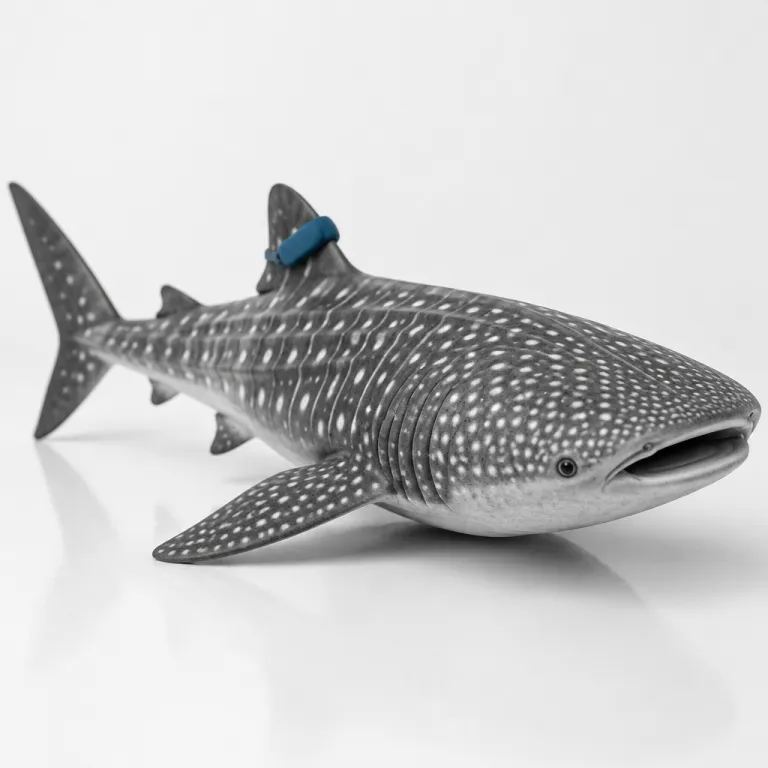
Why ethical whale shark encounters matter for families
Ethical whale shark encounters begin with understanding the animal itself. A whale shark is a slow moving, surface feeding giant that spends long minutes near the top of the water, which makes every shark vulnerable to crowded boats and clumsy swimming. For many families planning a diving trip, that gentle behaviour feels inviting, yet it is exactly what turns casual shark encounters into high pressure tourism.
These sharks filter plankton and tiny fish in the upper few metres, so repeated sharks feeding disruptions can alter their natural patterns and push them away from traditional reefs and coastal routes. When several boats arrive at once and every swimmer tries to reach the same swimming whale, the animal is forced to dodge fins, cameras and flashes instead of calmly feeding. Ethical whale shark encounters ask a different question ; how can we design each dive or swim so that the shark barely notices we are there.
For parents, that shift in mindset changes the whole experience. Children remember the quiet awe of watching whale sharks glide past in clear water, not the chaos of a rushed shark diving scramble. A respectful encounter gives them space to see the full length of the whale, from the checkerboard head to the slow tail, and to understand that this is marine life we are visiting, not a theme park attraction.
Where whale shark tourism works – and where it fails
Some destinations have become shorthand for ethical whale shark encounters, while others are cautionary tales. Around the Yucatán coast of Mexico, the aggregation near Isla Mujeres and the quieter waters off Bahía de los Ángeles in the Sea of Cortez show how seasonal shark encounters can be managed with strict rules on boats, group sizes and approach distances. Families planning a swim whale or swim with whale sharks style trip here should ask operators how many swimmers they allow per shark and how long each group stays in the water.
In contrast, a few locations built their entire tourism model on sharks feeding practices, where operators offer handouts to keep every whale shark close to shore. That kind of artificial feeding changes natural behaviour, concentrates sharks in small bays and can increase disease transmission between sharks, even if the surface looks calm and inviting. When you research where to swim with whale sharks and compare destinations, prioritise places that rely on natural plankton blooms rather than daily feeding routines.
Globally, some of the best managed regions include offshore reefs in the Maldives, the Ningaloo Reef corridor in Western Australia and the pelagic waters near Wolf and Darwin in the Galápagos. None of these sites are perfect, yet they share a commitment to responsible whale shark tourism with capped permits, trained guides and clear codes of conduct. For a deeper planning overview of the best destinations and experiences for marine adventurers, the guide on where to swim with whale sharks is a useful starting point for comparing regions before you book.
The etiquette that protects every whale shark
Once you are on the boat, ethical whale shark encounters depend on what happens in the next fifteen minutes. A responsible whale shark guide will brief you clearly on minimum distances, usually several metres from the head and tail of any whale sharks, and will insist that no one dives down to block the shark’s path. The best operators limit how many people enter the water at once, which keeps the encounter calm for both sharks and swimmers.
There are a few non negotiables that every family should treat as a personal code. Never touch a whale shark, never grab a fin for a faster swimming whale moment and never use flash photography, because even surface light can stress these sharks. Stay to the side of the animal, keep your dive profile shallow and let the shark choose whether to pass close or remain distant.
Good etiquette also extends to how you move through the water. Strong fins and basic scuba skills help you maintain position without frantic kicking, which reduces the risk of accidental contact during shark diving or casual snorkel encounters. If your children are not confident swimmers, ask for a private guide in the water so they can enjoy the experience without clinging to you or drifting into the path of the whale.
For travellers who want to understand how different species respond to repeated encounters, the long form feature on unforgettable encounters while diving with whale sharks offers a useful comparison between open ocean sites and more sheltered bays. Reading those details before your trip makes it easier to recognise when an operator is following best practice or cutting corners. That awareness is part of being an informed guest in the ocean, not just a passenger on a day boat.
Choosing operators and regions with real conservation impact
Not all ethical whale shark encounters are created equal, and the difference often lies in what happens after the engines shut down. Some operators in Mexico, the Maldives and Western Australia work directly with research teams, logging every whale shark sighting, photographing spot patterns and sharing data with global identification databases. When your family joins that kind of scuba diving or snorkel trip, your presence funds both local jobs and long term marine life monitoring.
Look for clear signs of a responsible whale shark operation before you pay a deposit. They should explain how they avoid sharks feeding disruptions, how many boats are licensed in their area and what happens if too many sharks or too many swimmers arrive at once. In places like Ningaloo Reef, the Sea of Cortez and offshore at Raja Ampat, the best time windows are often tied to plankton blooms, so any promise of guaranteed whale sharks all season should raise questions.
Families who prefer a mix of reef diving and pelagic encounters can choose itineraries that combine shark encounters with coral focused days. A liveaboard in Raja Ampat or a resort based stay in the Maldives might offer one or two shark diving days, then shift to gentle reef dives where children can focus on clownfish, turtles and schooling reef sharks. For a sense of how long lived species respond to repeated visits, the feature on understanding the lifespan of clownfish gives useful context that also applies to slow growing giants like the whale shark.
Designing a family friendly whale shark trip that feels calm, not chaotic
For many premium families, the goal is not just ethical whale shark encounters but a trip that feels unhurried and safe for children. Start by choosing regions where the sea conditions are usually gentle, such as the leeward side of islands in the Maldives or sheltered bays in the Sea of Cortez, rather than exposed offshore banks. Calm water makes every swim whale or swimming whale moment less intimidating for younger guests.
Next, think carefully about the format of your day. Private or semi private boats cost more, yet they allow guides to time each dive or snorkel so that your family is not entering the water with twenty strangers chasing the same shark. In places like Isla Mujeres, Bahía de los Ángeles or Mujeres Paz in Baja California Sur, that can be the difference between a rushed splash and a measured experience where children watch whale sharks pass in small, manageable groups.
Finally, build in rest days and non shark activities so the trip never feels like a checklist. Mix one or two shark encounters with easy reef snorkels, gentle scuba sessions for certified adults and shore based marine life walks where guides explain how sharks, rays and reef fish share the same food webs. In destinations such as the Galápagos, Los Angeles de la Isla style archipelagos or the remote atolls near Wolf and Darwin, that broader context helps children see every shark as part of a living system, not just a photo opportunity.
Seeing the bigger picture: why your booking choices matter
Every time a family books ethical whale shark encounters, they cast a vote for one version of tourism over another. Operations that respect natural feeding patterns, limit shark encounters per day and invest in research prove that a whale shark can be worth more alive than any extractive alternative. When enough travellers choose those operators, coastal communities see that long term protection of sharks and reefs brings steady income, season after season.
This value alive argument is not abstract. In regions from Mexico to Western Australia and from the Maldives to Raja Ampat, local guides, captains and divemasters have built careers around seasonal whale shark visits, careful shark diving and year round reef stewardship. Their livelihoods depend on keeping the water clear, the marine life abundant and the sharks unafraid of boats, which aligns perfectly with what discerning families want from a high quality dive trip.
For parents, explaining this chain of cause and effect to children can be part of the journey. When they understand that choosing a responsible whale shark operator in the Maldives or the Sea of Cortez helps protect the same sharks they might one day see off Ningaloo Reef or near Wolf and Darwin, the encounter gains a deeper weight. The memory is no longer just about swimming beside a whale ; it becomes a first lesson in how thoughtful tourism can keep giants cruising through blue water for generations.
FAQ
What is the safest age for children to swim with whale sharks ?
Most operators recommend that children be confident swimmers, usually at least eight to ten years old, before joining ethical whale shark encounters. Younger children can often stay on the boat and watch from the surface, which still offers excellent views in clear water. Always ask the operator about age limits, flotation devices and guide to child ratios before booking.
How far should I stay from a whale shark while in the water ?
Responsible guidelines usually recommend staying several metres from the head and tail of any whale shark, and never crossing directly in front of its path. This distance reduces stress on the shark and lowers the risk of accidental contact from fins or cameras. If a shark chooses to pass closer, remain still and let it move away on its own.
Is it better to snorkel or scuba dive with whale sharks ?
Most ethical whale shark encounters take place while snorkelling, because these sharks feed near the surface and shallow water access keeps the interaction simple. Scuba diving can work in some regions, yet bubbles and depth changes may alter the animal’s behaviour. For families, surface based swims are usually easier to manage and require less equipment.
How can I tell if an operator is feeding whale sharks ?
Ask directly whether the operator uses any form of sharks feeding practice, including handouts or bait in the water. Look for signs such as sharks circling very close to shore all day or guides carrying buckets near the swim platform. Ethical operators will explain that they rely on natural plankton blooms and may cancel trips when conditions are not suitable.
When is the best time of year to plan a whale shark trip ?
The best time varies by region and is usually linked to plankton blooms or seasonal currents. For example, Mexico’s Yucatán coast, the Maldives, the Sea of Cortez and Ningaloo Reef in Western Australia each have distinct windows when sightings peak. Check long term regional patterns rather than relying on promises of guaranteed encounters outside those periods.