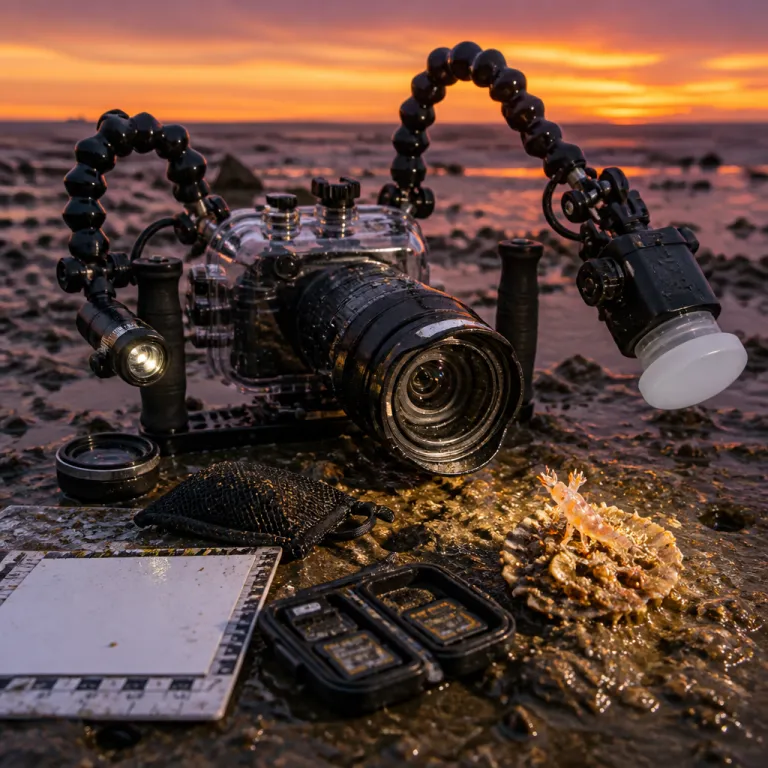
Why muck diving macro photography destinations outshine pristine reefs
Some of the best diving for serious image makers happens over plain volcanic sand rather than bright coral gardens. These unassuming slopes and harbour bottoms are the true muck diving macro photography destinations, where every square metre hides rare critters and surreal marine life. When you trade blue water for brown, you gain time, control and access to underwater macro subjects that simply do not exist on open reefs.
Muck diving means settling onto muddy or sandy seabeds and slowing each dive to a careful crawl, letting your eyes adjust until the rubble reveals frogfish, ghost pipefish and tiny fish cleaning stations. As one expert summary puts it with blunt accuracy, "What is muck diving? Diving in muddy or sandy areas to find unique marine life." The environments look lifeless from the surface, yet each muck dive quickly proves that marine biodiversity thrives in the least glamorous corners of the ocean.
For underwater photography, these sites are a gift because the background is simple, the current is usually gentle and the critters tolerate a close approach. You can frame a single macro subject cleanly, or step back for a subtle wide angle photo that still isolates behaviour against dark sand. National Geographic Explorer Anand Varma has shown how macro photography can highlight unique species, showcase biodiversity and reveal unseen details, and muck diving macro photography destinations are the purest field laboratory for that philosophy.
The big three: Lembeh Strait, Anilao and Ambon Bay
Ask any underwater photography guide to name the best diving for critters and three names surface instantly. Lembeh Strait in Indonesia, Anilao in the Philippines and Ambon Bay in the Maluku Islands form the classic triangle of muck diving macro photography destinations. Each region offers year round access to dense marine life, yet the mood, the dive sites and even the style of photo you bring home feel distinct.
Lembeh Strait is the original temple of muck diving, a narrow channel where black sand slopes host hairy frogfish, mimic octopus, flamboyant cuttlefish and blue ring octopus on the same series of dives. The lembeh area rewards a slow, methodical dive style, with guides using a simple muck stick to stabilise themselves while they scan for rhinopias, pygmy seahorses and other bucket list subjects. Many scuba diving photographers base themselves at a dedicated dive resort here, because the short boat rides mean four or five macro photography dives a day without long surface intervals.
Anilao feels different, with steeper reefs and more colourful coral heads that allow you to mix wide angle and underwater macro on a single dive. Ambon Bay, by contrast, leans into the surreal, with debris filled slopes that somehow host some of the best marine life for environmental storytelling images. If you are planning dive travel around these hubs, look at curated lists of new dive resorts and liveaboards worth booking now on Bluedive Adventures, which help you choose properties that prioritise guide expertise over pool bars.
Creatures of the muck: from hairy frogfish to pygmy seahorses
The real reason muck diving macro photography destinations keep luring photographers back is the cast of characters. On a single dive you might frame a hairy frogfish yawning, a flamboyant cuttlefish hunting and a blue ring octopus pulsing its warning colours, all within a few metres of each other. These critters are not just rare fish; they are highly specialised marine life adapted to life on rubble, tyres and discarded bottles.
Rhinopias scorpionfish, for example, blend perfectly into algae covered rocks, turning every dive into a patient search guided by local eyes that know each coral head by memory. Pygmy seahorses cling to gorgonian fans on adjacent reefs, rewarding those who split their time between classic coral structures and nearby muck dive sites. Many underwater photography workshops now structure their itineraries so that one day focuses on pure underwater macro in the sand, while the next adds a wide angle session on neighbouring reefs for context.
These subjects are small, often just a few centimetres long, yet they carry enormous storytelling power when framed well. Underwater macro images of a mimic octopus shifting shape or a juvenile lionfish hovering over bare muck can say more about resilience than any textbook. For independent travellers used to shore diving models like Bonaire’s drive and dive approach, it can be refreshing to hand the navigation to a guide and focus entirely on the next photo rather than the next tank.
Gear that matters: lenses, diopters, snoots and the humble muck stick
To get the most from muck diving macro photography destinations, you need gear chosen for precision rather than range. A 60 millimetre macro lens on a crop sensor offers flexible working distance for fish portraits and medium sized critters, while a 100 or 105 millimetre macro lens excels with shy subjects like blue ring octopus or small shrimps. Modern wet diopters such as the Nauticam SMC or similar multipliers now allow framing subjects as small as 3 millimetres, turning a speck of marine life into a full frame portrait.
Strobes remain essential for serious underwater photography, but the accessory that changes your images fastest is often a snoot. By narrowing the beam, a snoot lets you light only the subject and let the surrounding muck fall into black, creating a studio look even on a busy seabed. A good focus light with a warm beam helps your camera lock focus in low contrast conditions, and smartphone underwater photography housings like SeaTouch 4 Max paired with a SeaLink style trigger are making this level of control more accessible to travellers who do not want to haul a full DSLR rig.
On the practical side, a simple aluminium muck stick is invaluable for stabilising yourself without touching fragile marine life or coral remnants. Used correctly, it lets you hold position in gentle current while keeping fins off the bottom, which protects both the subject and your photo from clouds of silt. For those planning extended dive travel, the trend toward smaller housings and modular systems means you can pack a full macro and wide angle kit into a single carry on, leaving more room for essentials and less for bulky cases.
Why muck diving belongs on every serious photographer’s bucket list
Many divers still assume the best diving means clear blue water, big sharks and sweeping coral reefs, yet muck diving macro photography destinations quietly deliver more memorable encounters per minute. The thrill here is not chasing whale sharks or hammerhead sharks in open water, but working with a guide to unearth a single perfect subject and then spending an entire dive refining one photo. Non photographers often arrive sceptical, then leave talking about the intensity of these slow, deliberate dives and the almost private feeling of small group briefings.
There is also a financial argument for putting muck diving on your bucket list, because land based costs in Indonesia and the Philippines often undercut more famous reef destinations such as Raja Ampat. You can base yourself at a comfortable dive resort near Lembeh Strait or Anilao, enjoy three or four guided dives a day and still spend less than a week on a remote liveaboard chasing pelagic sharks. For solo travellers, the social atmosphere around camera tables and critter briefings often feels more relaxed and less status driven than big animal hotspots.
Muck environments also highlight the environmental pressures facing marine ecosystems in a way that pristine reefs sometimes hide. When you photograph a flamboyant cuttlefish hunting beside a discarded bottle, you are documenting both resilience and impact in a single frame, echoing the concerns raised in analyses of sewage and pollution threats to marine protected areas on Bluedive Adventures. As one practical guide for aspiring shooters reminds us, "Why are unglamorous sites good for macro photography? They host diverse, often unseen tiny creatures."
FAQ
What is muck diving and how is it different from reef diving ?
Muck diving means exploring sandy, silty or rubble seabeds that look barren at first glance but hide dense marine life. Instead of drifting over coral reefs, you move slowly over dark sand, searching for camouflaged critters such as frogfish, octopus and seahorses. The focus is on small subjects and underwater macro photography rather than wide angle reef scenes.
Why are unglamorous sites so good for macro photography ?
Unassuming sites concentrate nutrients and shelter, which attracts unusual species that tolerate close approaches. The plain background of sand or silt makes it easier to isolate subjects in a clean photo without distracting coral behind them. These conditions give photographers more control over composition, lighting and behaviour shots during each dive.
What equipment do I need for underwater macro photography in muck ?
At minimum you need a camera in a reliable housing, a dedicated macro lens or close up adapter and at least one strobe for consistent lighting. Many photographers add wet diopters, a focus light and a snoot to refine how they light very small subjects. A simple muck stick also helps you stabilise without damaging the seabed or stirring silt into your frame.
Are muck diving macro photography destinations suitable for beginners ?
These destinations can work well for newer divers who already have solid buoyancy control and are comfortable in low visibility. The dives are usually shallow and slow, which reduces air consumption and allows long bottom times. Working with experienced local guides makes it easier to find subjects and stay safe while you refine both diving and photography skills.
How can muck diving support marine conservation efforts ?
Photographs from muck sites highlight biodiversity in places often written off as damaged or unimportant. By documenting rare species living among debris, photographers provide visual evidence that supports conservation campaigns and citizen science projects. Many operators also partner with marine biologists and local organisations, so your dive travel can directly fund research and habitat protection.