Why Norway fjord diving belongs on every serious diver’s list
Norway fjord diving is no longer a fringe pursuit for gear obsessives. As cold-water destinations move into the mainstream, these Norwegian fjords now sit beside coral atolls on serious divers’ wish lists. This is where deep water, vertical rock and long summer light reshape how you think about a dive trip.
Cold water in Norway means temperatures that can hover around 4 °C in winter and early spring, yet visibility in many fjord systems often stretches beyond 30 meters on clear days. Public data from the Norwegian Meteorological Institute and regional dive clubs indicate that typical recreational sites in western Norway see roughly 10–30 meters of visibility, with occasional reports of clearer conditions in sheltered inlets. That clarity lets you read the underwater walls like a book, tracing every ledge, every wreck and every patch of marine life without the milky haze common in warmer sea regions. For solo explorers, the combination of reliable dive centres, disciplined safety culture and well-mapped dive sites makes diving in Norway surprisingly accessible.
Interest in cold-water scuba diving has surged, driven by divers who want more than another crowded reef dive site. Norway answers that with fjord systems that run hundreds of meters deep, where kelp forests rise like underwater cathedrals and wrecks rest within recreational depth limits. Increased attention on Arctic diving and eco-tourism has pushed local operators to refine logistics, from dry suit rental to shore-dive access and nitrox availability, so you can focus on the dives rather than the admin.
Lysefjord, Sognefjord and Trondheimfjord: fjord walls without the liveaboard
For Norway fjord diving that does not require a charter or liveaboard, start with Lysefjord near Stavanger. Here, steep granite walls plunge straight into the water, giving divers easy shore-dive entries that drop quickly to 20 or 30 meters. Local clubs such as Stavanger Dykkeklubb and regional centres like Frøya Havsport regularly use sites such as Forsand and Høllesli as training grounds, where you fin along an underwater cliff that mirrors the famous Preikestolen above, with cold-water corals, anemones and shy fish tucked into every crack.
Sognefjord, often called the king of the Norwegian fjords, offers a different rhythm for scuba diving. Villages such as Balestrand and Sogndal host local dive centres where you can arrange guided dives on sheltered sites, with depth meters rarely pushing beyond what an Advanced Open Water diver can handle. Expect kelp forests in the shallows, then darker deep water where life shifts from macro nudibranchs to larger cod and occasional wolffish. Tidal currents can be moderate around headlands, so most operators time entries for slack water and keep visiting divers within conservative depth and gas limits.
Farther north, Trondheimfjord gives solo divers a practical base for combining city life with serious Norway diving experiences. Shore-dive sites such as Sponhuset, Trolla and Skansen sit within short drives of town, and dive centres here are used to visiting divers who need full equipment and a properly fitted dry suit. If you are planning a season of cold-water exploration, read the guidance on drysuit diving in cold water destinations before you book, because a well-managed dry suit is your passport to long, comfortable dives in these waters.
Thermal logistics, dry suits and the reality of diving conditions
Norway fjord diving demands respect for the environment, and that starts with thermal protection. A membrane or compressed neoprene dry suit with proper undergarments turns 4 °C water from a threat into a manageable backdrop, letting divers focus on the site rather than their fingers. Many Norwegian dive centres recommend a layered system: a moisture-wicking base layer, a thick insulating mid-layer and, for longer bottom times, an additional vest or heated undergarment. Most centres can supply dry suits, but you should arrive with recent dry suit training and a clear idea of your weighting in cold water.
Local dive operators are accustomed to visiting scuba divers who may be new to cold water but experienced in warm sea regions. They will usually insist on a check dive at an easy shore-dive site, confirming buoyancy, trim and emergency skills before taking you to deeper sites or more complex wreck diving. This culture of caution is one reason the answer to the common question “Is diving in Norway's fjords safe?” is simply: “Yes, with proper equipment and guidance.” Emergency response is supported by Norway’s national rescue coordination centres and hyperbaric facilities in hubs such as Bergen and Trondheim, which gives additional reassurance for remote-feeling locations.
Diving conditions vary by fjord and season, but summer (June to August) often brings the best balance of light, visibility and manageable surface weather. Continuous daylight in northern Norway means you can schedule a long surface interval, explore fjord-side villages, then return for a late evening or even a true night dive that still has a silver glow on the horizon. If you are pairing this trip with other marine travel, consider small ship itineraries such as the Scandinavian cruises for divers and marine travelers, which can link several Norwegian fjords into one extended cold-water journey.
Marine life, wrecks and the midnight sun advantage
The real argument for Norway fjord diving is underwater life that thrives in nutrient-rich waters. Summer plankton blooms feed everything from tiny nudibranchs to larger predators, and the long daylight hours alter how marine life behaves around the dive site. You may see wolffish, giant crabs and dense shoals of pollock patrolling the same kelp forests where macro photographers frame cold-water corals at arm’s length.
Many Norwegian fjords hide wrecks from different eras, including several Second World War wrecks that now function as artificial reefs. In western Norway, for example, coastal wrecks near Ålesund and well-known training wrecks in Sognefjord are popular photography sites. These structures often sit between 20 and 40 meters, a depth range that suits experienced recreational divers who are comfortable managing gas and dry suit buoyancy in cold water. Wreck diving here is less about penetration and more about reading the structure from outside, watching how sea life has colonised every railing and plate.
The midnight sun is what transforms these dives from memorable to quietly addictive. In northern Norway, June and July bring 24-hour natural light above the Arctic Circle, which means your so-called night dive might unfold in a soft orange twilight that never quite fades. That extended window lets you plan multiple dives per day without rushing, and it opens rare opportunities for long, slow deep-sea-style explorations where you hover at 20 meters, watching how the fjord walls shift from kelp to bare rock and back again.
Planning, costs and how Norway fjord diving fits a wider dive life
From a logistics perspective, Norway fjord diving is more straightforward than many divers expect. Major airports such as Oslo, Bergen and Trondheim connect easily to fjord-side towns where a dive centre can arrange equipment, local transport and guided dives. You can often base yourself in a small guesthouse near the water, walking to the pier in the morning and returning to quiet streets for your surface interval.
Costs will usually exceed a budget tropical trip, but the value equation is different. You are paying for smaller groups, highly trained guides, extensive safety infrastructure and access to pristine dive sites that see a fraction of the traffic of popular sea resorts. As a rough guide, a two-tank boat day in western Norway might sit in the range of a mid-tier European city dive charter, with prices reflecting limited season length, fuel costs and the need for redundant safety gear on board. When you factor in the quality of the dives, the visibility that can reach 40 meters in peak conditions and the chance to combine underwater days with hiking, kayaking or even small ship fjord cruises, the overall experience often justifies the higher day rate.
For divers who measure their dive life in encounters rather than stamps in a logbook, Norway fjord diving sits in the same mental space as a week chasing mantas in the Maldives. If you are planning that kind of portfolio of experiences, read the analysis of manta encounters and channel diving in the Maldives to understand how different water types shape marine behaviour. Then place Norway alongside those tropical benchmarks, not as a consolation prize, but as a separate category of immersion where cold water, deep walls and the midnight sun rewrite what a dive trip can be.
Advanced cold-water highlights: Plura cave, deep profiles and repeat visits
Once you have tasted Norway fjord diving on open walls and wrecks, you may feel the pull toward more advanced experiences. Plura cave in northern Norway, near Mo i Rana, is one of the most famous cold-water cave systems in Europe, but it is reserved for properly trained cave divers with significant experience in dry suit and overhead environments. Local guidelines require proof of full cave certification, redundant gas supplies and documented dives in similar conditions. For most travelers, simply knowing that such deep water systems exist beneath the fjord landscape adds another layer of respect to every open water dive.
Technical divers sometimes use Norwegian fjords as training grounds for deep-sea-style profiles, running staged decompression dives along walls that drop well beyond recreational depth meters. Even if you stay within 30 meters, you will notice how quickly the light falls away and how the character of the site changes with each 5-meter step. That gradient makes these waters ideal for building experience gradually, logging dives that progress from shallow shore-dive entries to more complex wreck diving under the guidance of a local dive resort or centre.
Repeat visitors often talk less about specific dive sites and more about seasons. Early summer brings strong light and active marine life, while later months can offer calmer diving conditions and fewer boats on the water. Over time, Norway fjord diving becomes not just a single trip but a thread in your wider scuba diving story, a place you return to when you want clear waters, serious yet welcoming operators and the quiet drama of a night dive that unfolds under a sun which never quite sets.
FAQ
Is diving in Norway's fjords safe for visiting divers?
Diving in Norway’s fjords is considered safe when you use appropriate cold-water equipment, follow local guidance and stay within your training limits. Dive centres typically require a check dive to assess skills before taking guests to deeper sites or wrecks. The strong safety culture, national rescue coordination system and small group ratios help solo travelers feel supported underwater.
What marine life can I expect to see while fjord diving?
Typical marine life in Norwegian fjords includes wolffish, giant king crabs in northern regions, nudibranchs, cod, pollock and dense invertebrate communities on walls and wrecks. Kelp forests shelter juvenile fish and crustaceans, while deeper sections may host cold-water corals, sponges and sea stars. Seasonal plankton blooms can attract larger predators and increase overall activity around the dive site.
Do I need special training for cold-water scuba diving in Norway?
Cold-water diving certification or documented experience in a dry suit is strongly recommended before booking Norway fjord diving. Many operators require proof of recent dry suit dives and may insist on a skills check in shallow water. If you are new to this environment, consider taking a dry suit course at home, then consolidating those skills with guided dives in Norway under the supervision of an experienced instructor.
What are typical water temperatures and visibility in Norwegian fjords?
Water temperatures in Norwegian fjords can be around 4 °C in colder periods, rising to roughly 6–12 °C in summer depending on depth and location, but remaining firmly in the cold-water category. Visibility often ranges from 10 to 30 meters, with some sheltered sites reported to reach up to 40 meters in ideal winter conditions. This combination of clear waters and low temperatures is why robust thermal protection is essential for comfortable dives.
Can I combine fjord diving with other activities during my trip?
Norway fjord diving integrates easily with topside travel, since many dive bases sit in or near scenic villages. You can spend surface intervals hiking marked trails, kayaking between small islands, joining local fjord cruises or exploring regional culture and food. This makes the destination appealing for solo travelers who want both serious diving and rich above-water experiences in the same journey.
What should I pack for a Norway fjord diving trip?
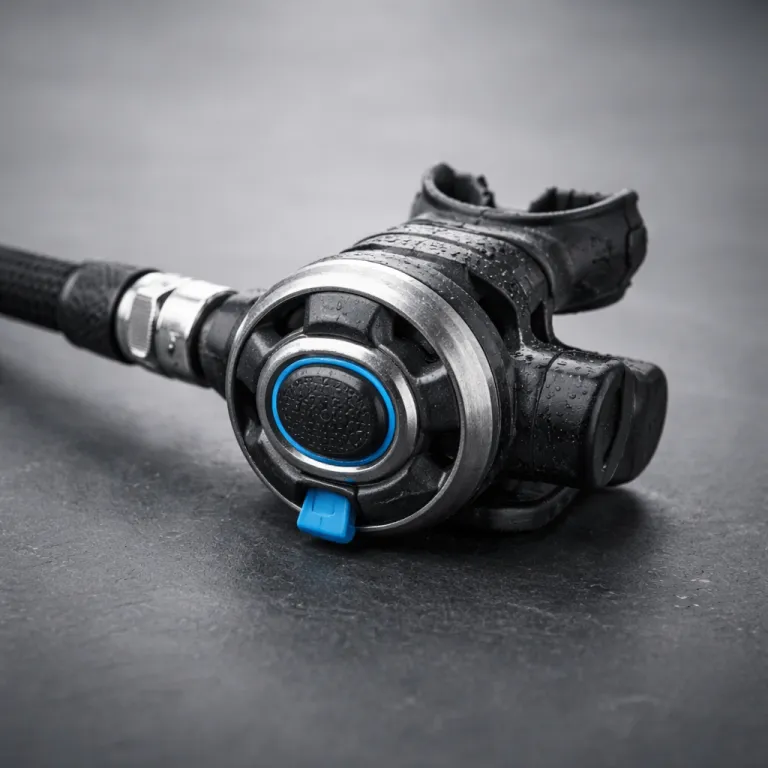
A practical cold-water gear checklist includes a dry suit with hood and gloves, thick thermal undergarments, a well-fitted mask, fins suitable for boots, and a regulator serviced for low temperatures with an environmental seal. Many divers add a backup light, cutting tool and DSMB with reel for wall dives. Bring copies of your certification cards, insurance details and emergency contact information, and ask your chosen dive centre in advance which items they can supply or rent on site.