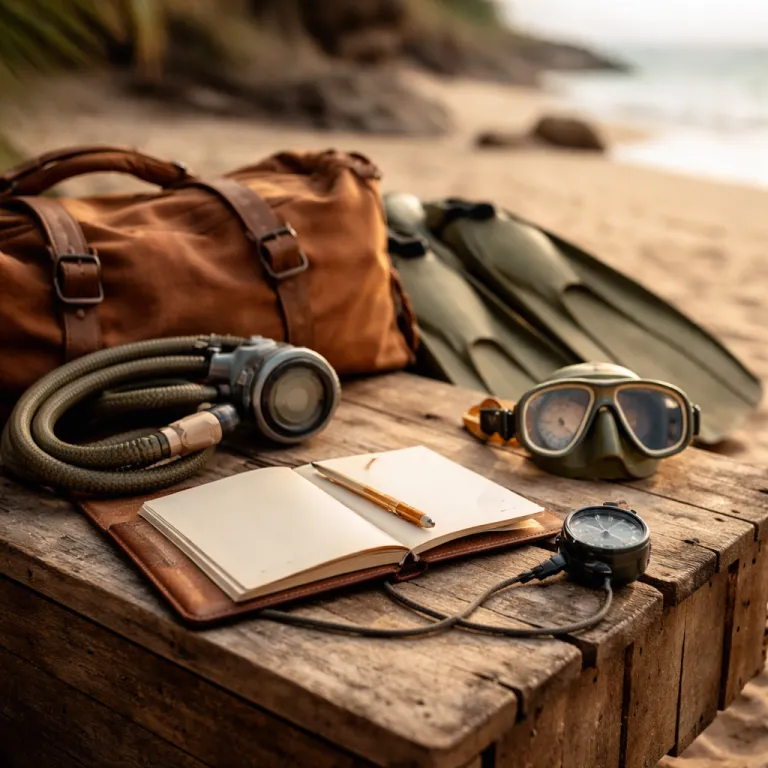
What “cheapest scuba certification” really means for a new diver
Chasing the cheapest scuba certification is not just about a low price. It is about understanding how a scuba diving course is built, where the costs sit, and which corners must never be cut. When you plan your first open water training, you are buying safety, skills, and access to a lifetime of diving destinations.
Every entry level open water course follows the same basic structure. You study theory, you practice skills in shallow water, then you complete four open water dives to become a certified scuba diver. Whether you learn in Thailand, Honduras, Egypt, or at home, the core diving certification standards for new scuba divers remain aligned across major agencies such as PADI, SSI, and NAUI.
Many training providers now use a mix of e learning, pool sessions, and open water dives to keep costs down. Typical examples include Open Water Diver courses that bundle online theory with a compact schedule of confined water training and boat dives, or packages that combine scuba lessons with discounted gear rental. These models show how digital theory modules and streamlined training days can make scuba diving more affordable without diluting essential skills.
When you compare the price of the cheapest scuba certification against a commonly quoted global range of roughly 400–600 USD for entry level courses, context matters. A low course fee in Koh Tao or Utila may exclude rental gear, dive computer use, or park fees, which can quickly raise your real budget. Smart scuba divers look at the full travel equation, not just the headline number on an open water course flyer.
Think of your first scuba dive as an investment in competence rather than a quick bargain. You will carry those habits into every future shore diving session, every drift dive, and every descent over coral reefs. The cheapest option only makes sense when the training quality, equipment, and safety culture are strong enough to support your long term scuba travel plans.
Cost breakdown: what you really pay for in a budget open water course
To judge the cheapest scuba certification offers, you need a clear cost map. Start with the core open water course fee, then layer in rental gear, accommodation, meals, and transport. Only when you total everything from mask and fins to airport transfers will you know whether a destination is truly affordable.
Course fees in classic budget hubs such as Koh Tao in Thailand or Utila in Honduras often sit between about 300 and 400 USD, based on typical price lists published by local dive centres and tourism boards at the time of writing. That usually covers your instructor, classroom or e learning access, confined water scuba training, and four open water dives from a dive boat or shore. Some dive shops include the diving certification card and logbook, while others add a small surcharge that quietly nudges the final price upward.
Equipment is the next big variable in any scuba diving budget. Many entry level packages include full rental gear, but you should confirm whether that means a modern BCD, a well maintained regulator, a correctly sized wetsuit, and a reliable dive computer. If rental gear is not included, expect daily charges for each scuba dive that can quickly erode the savings from a low advertised course price.
To see how this plays out, imagine a four day course in a budget destination: 320 USD for tuition, 60 USD for full gear rental including a dive computer, 40 USD in marine park and boat fees, and 100 USD for simple accommodation. Add roughly 60 USD for meals and local transport, and your “250 USD course” has become a realistic out the door cost of about 580 USD for the full training trip.
Accommodation and food often decide whether a destination feels truly affordable. Utila and Koh Tao both offer simple rooms and guesthouses near the main dive sites, where you can walk from your island bed to the dive shop in minutes. Daily costs around 25 USD in Utila or modest street food prices in Thailand keep the overall travel budget manageable for a solo explorer.
Do not forget the hidden costs that marketing rarely highlights. Marine park fees, boat fuel surcharges, and tips for divemasters can add several euros or dollars per day, especially at popular diving destinations with fragile coral reefs. If you plan to write about your journey, this is also the moment to think about a dedicated log of underwater experiences, and resources such as a diver’s travelogue guide can help you frame each water scuba memory with clarity.
Koh Tao and Utila: volume champions of budget scuba training
Koh Tao in Thailand has become almost synonymous with the cheapest scuba certification. The island is widely reported to certify tens of thousands of scuba divers each year, which means an extraordinary density of dive shops, instructors, and daily training dives. That volume drives competition on price, but it also creates a culture where teaching open water skills is a refined routine rather than an occasional side activity.
On Koh Tao, you will find open water courses starting around 335 USD, often including several nights of basic accommodation according to typical local package descriptions. Many dive centres schedule water dives at sheltered sites where conditions are forgiving for a first time scuba student, and the coral reefs still hold enough life to feel like a genuine tropical initiation. The sheer number of boats heading out each morning means you can usually choose between different dive sites, from shallow bays to slightly deeper pinnacles.
Utila, in the Caribbean, plays a similar role for the Americas. It is consistently ranked among the cheapest places to get PADI certified, with daily living costs around 25 USD and highly competitive course packages in the 300–400 USD band. While the island is smaller than Koh Tao, the focus on scuba diving is just as intense, and many travellers arrive with the single goal of leaving as fully scuba certified divers ready for more ambitious travel.
When comparing these two islands, look beyond the headline course price. Ask about instructor to student ratios, the age and condition of BCDs and regulators, and whether a dive computer is included in the rental gear for each scuba dive. A slightly higher fee at a centre that limits groups to four students and invests in modern water scuba equipment is often the better value.
Both Koh Tao and Utila reward divers who do their homework on training quality. Read recent reviews, speak directly with staff, and ask to see the classroom, the gear room, and the boat before you commit to a water course. For a deeper technical understanding of equipment care, resources such as a guide to regulator intermediate pressure adjustment can sharpen your eye when you inspect rental gear on any island.
Egypt, Bonaire, and Cozumel: value beyond the classic backpacker circuit
Not every traveller chasing the cheapest scuba certification wants the backpacker intensity of Koh Tao or Utila. Egypt’s Red Sea, the shore diving paradise of Bonaire, and the current swept reefs of Cozumel offer alternative routes to becoming scuba certified while keeping a firm grip on your budget. Each destination brings a distinct mix of water conditions, coral reefs, and overall travel style.
Dahab, on the Sinai coast, has long been a haven for budget minded scuba divers. Here, many training dives are shore diving entries from the rocky coastline, which reduces boat fuel costs and keeps the open water course price low. Simple dive camps bundle accommodation, breakfast, and multi day diving certification packages that feel almost monastic compared with the party islands of Southeast Asia.
Further south, Marsa Alam offers a quieter Red Sea alternative with easy access to healthy coral reefs and frequent turtle encounters. While not always the absolute cheapest option, the combination of strong visibility, relaxed dive sites, and competitive course fees makes it a compelling choice for travellers who value underwater quality as much as savings. Egypt’s long history with scuba diving also means a deep pool of experienced instructors and well established dive shops.
Bonaire, in the Caribbean, is famous for its unlimited shore diving model. Packages that include seven nights of accommodation and six days of unlimited shore diving can come in under 500 USD for diving alone in low season, according to typical operator brochures and destination marketing materials. For a newly certified water diver, the ability to plan your own shore entries at marked dive sites is both liberating and an excellent way to build confidence without paying for every individual boat trip.
Cozumel sits slightly higher on the cost spectrum but can still deliver strong value. Some packages bundle flights, accommodation, and an open water course from around 800 USD per person, which is competitive when you factor in the quality of the drift dives and the overall Mexican travel experience. If you care about the aesthetics of your marine themed journeys, you might enjoy a piece on sea inspired design for marine travel interiors, which pairs surprisingly well with long surface intervals and logbook sessions.
How to evaluate a low cost dive shop without sacrificing safety
Once you have shortlisted destinations that offer the cheapest scuba certification, the real work begins. You need to evaluate each dive shop with the same care you would give to a mountain guide or a climbing school. A low price is only attractive when the training culture, equipment, and safety protocols are robust.
Start with instructor experience and student ratios, because these shape every minute of your open water course. Ask how many students will be in your group, how many certified assistants support the lead instructor, and whether the same person will follow you from classroom to final water dives. Smaller groups mean more time to refine buoyancy, mask clearing, and emergency skills, which directly affects your confidence on future scuba diving trips.
Next, inspect the gear room with a critical eye. Look at the BCDs for signs of wear, check that inflators and dump valves function smoothly, and ask when the regulators were last serviced. A good centre will happily show you service logs, explain how they maintain each dive computer, and let you test mask and fins combinations in shallow water before committing to deeper dives.
Safety briefings and emergency planning reveal a lot about a school’s priorities. Listen for clear explanations of hand signals, lost buddy procedures, and ascent rates, and confirm that oxygen kits and first aid supplies are present on every boat and at the shore diving entry points. If staff seem impatient with questions about water conditions, currents, or exit strategies, that is a red flag regardless of how affordable the course may be.
To make your evaluation more concrete, use a simple checklist of warning signs: instructor to student ratios higher than 1:6 on training dives, regulators that have not been serviced within the last 12 months, no dive computer included in rental gear, and vague answers about emergency oxygen or local medical support. If several of these appear together, consider choosing a different dive centre even if the price is tempting.
Finally, pay attention to how the team talks about the local environment. Responsible dive shops emphasise buoyancy control over coral reefs, careful finning techniques, and respectful interaction with marine life, which signals a broader culture of care. When a centre encourages you to become not just a water diver but a thoughtful ambassador for diving destinations worldwide, that is a place you can highly recommend with confidence.
Hidden costs, smart savings, and when to pay more
Even in the world of the cheapest scuba certification, some expenses are worth embracing. Cutting every corner on cost can leave you with poor fitting rental gear, rushed training, and a lingering sense of unease underwater. The goal is to trim the fat, not the fundamentals that keep you safe and relaxed during each scuba dive.
Hidden costs often start with equipment and logistics. Many budget packages exclude items such as dive computer rental, which is essential for monitoring depth and no decompression limits during open water dives. Others charge extra for high quality mask and fins or for using a more comfortable BCD, so always ask for a full price list covering every piece of rental gear before you commit.
Travel timing is another powerful lever for savings. Off season periods in Thailand, Egypt, or the Caribbean can bring lower accommodation rates and quieter dive sites, which means more personal attention during your water course. Just be sure to check typical water temperatures and visibility for your chosen month, because saving money while shivering through every training dive is rarely a good trade.
Sometimes, paying slightly more for a course with better ratios, newer equipment, and extra water dives is the smartest budget decision. An additional day of training or a couple of supervised fun dives after certification can transform you from a nervous beginner into a genuinely confident scuba diver. That confidence will follow you to future coral reefs, liveaboards, and distant islands where you will rely on your own judgement far more than on an instructor’s hand.
Think of your first certification as the foundation for a long relationship with the water. A well chosen course at a reputable dive shop sets you up for advanced training, underwater photography, and perhaps even professional paths in scuba diving. When you balance cost against long term value with this perspective, the cheapest option becomes the one that delivers durable skills, safe habits, and a deep, enduring pleasure in every descent.
Key statistics for budget scuba certification and training
- Industry sources and training agency price lists suggest that many entry level Open Water Diver courses cluster around 400–600 USD worldwide, which makes destinations such as Koh Tao and Dahab significantly cheaper when they offer courses from roughly 250 to 335 USD.
- Some operators advertise Open Water Diver courses starting from around 139 USD, illustrating how e learning and streamlined pool sessions can reduce classroom overheads while keeping standards aligned with major certification agencies.
- Koh Tao in Thailand is often cited by regional tourism data and training agencies as one of the busiest dive training hubs on the planet, with very high annual certification numbers that drive intense competition on course price and package value.
- Utila in Honduras is frequently cited as one of the cheapest places to obtain a PADI Open Water certification, with daily living costs around 25 USD, which significantly lowers the total budget for multi day scuba training.
- Bonaire’s shore diving model allows packages that include seven nights of accommodation and six days of unlimited shore diving for under 500 USD for diving components in low season, offering strong value for newly certified divers who want to log many independent dives.
- Courses are available year round in most major diving destinations, and the typical duration for an Open Water Diver course is three to four days, which helps travellers integrate training into broader itineraries without consuming an entire holiday.
FAQ: cheapest scuba certification and budget dive travel
Where is the cheapest place to get PADI certified ?
Where is the cheapest place to get PADI certified? Koh Tao, Thailand and Dahab, Egypt offer courses from about 250–290 USD according to many local dive centre listings and regional tourism summaries. These destinations combine low course fees with competitive accommodation prices, making them strong options for budget conscious travellers. Always compare what is included in the package, especially rental gear and certification fees.
How long does it take to get PADI Open Water certified ?
How long does it take to get PADI Open Water certified? The course typically takes 3–4 days. Many centres use e learning for theory, which allows you to complete knowledge development before arrival and focus on confined water and open water dives on site. This compressed schedule suits travellers who want to integrate training into a short trip.
Is a PADI certification from a budget destination valid worldwide ?
Is a PADI certification from a budget destination valid worldwide? Yes, PADI certifications are globally recognized. Whether you train in Thailand, Egypt, Honduras, or at home, your card will be accepted at dive centres around the world. The key difference lies in the quality of instruction and equipment, not in the geographic location of your course.
How can I find reliable budget friendly dive centres ?
To find reliable yet affordable dive centres, start by checking reviews that mention safety briefings, equipment condition, and instructor attention. Contact centres directly to ask about group sizes, rental gear policies, and whether a dive computer is included in the package. Local recommendations from experienced divers and verification of the certification agency’s recognition add further reassurance.
What should I prioritise if my budget is limited ?
If your budget is tight, prioritise instructor quality, safety standards, and well maintained equipment over extras such as fancy accommodation or non essential excursions. Choose a destination where daily living costs are low, so you can allocate more of your funds to a solid open water course with adequate water dives. This balance ensures you become a confident, safe diver without overspending.