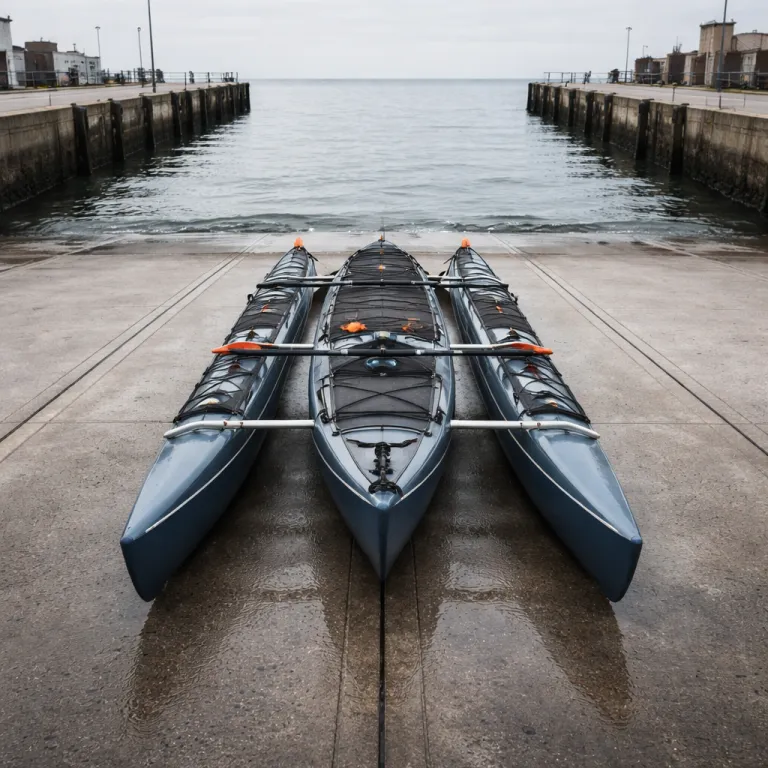
Kayak catamaran essentials for divers and marine travelers
The kayak catamaran blends the slim efficiency of a kayak with the twin hulls of a catamaran for remarkable stability on open water. This hybrid boat appeals strongly to divers and marine travelers who need a stable kayak platform for loading gear, checking currents, and planning entries. With two parallel hulls instead of one, the craft remains notably more stable when you shift weight, lean over the side, or handle equipment in choppy water.
Designers such as Kirk Kirchev, who created the Super Kayak inflatable catamaran style kayak, and Walter Sidler, who developed the lightweight Kamarán foldable catamaran kayak, have pushed this concept toward portability. Their work shows how a carefully engineered catamaran hull can support scuba tanks, cameras, and fishing equipment without compromising performance. For divers heading to remote locations, this means you can pack kayaks into a duffel, fly to your destination, and still enjoy a stable kayak catamaran once inflated and assembled.
Compared with traditional kayaks, these models often use inflatable aramid fiber hulls and anodized aluminum frames, which balance rigidity with low weight. A Kamarán style model weighing around 7 kg can be carried easily from a small pier to the water, yet still provide the stability of a larger catamaran kayak. This combination of light hulls, efficient kayak design, and catamaran stability makes them ideal for snorkelers, freedivers, and underwater photographers who need a reliable, stable kayak base for repeated entries and exits.
Design, stability, and hull systems that matter offshore
For divers and anglers, hull design is more than aesthetics ; it directly affects safety, comfort, and energy use. A catamaran hull with two narrow hulls reduces drag while increasing stability, which is why many paddlers describe a well designed catamaran kayak as feeling like a floating pier. When you stand to stretch, adjust a motor mount, or handle a trolling motor, the craft resists rolling, which is crucial when wearing a heavy scuba set or managing a full fishing kayak rig.
Industrial designers now integrate modular system components, such as adjustable seating, pedal drive units, and removable outboard brackets, into the core kayak design. This allows one base model to shift from pure kayaking to kayak fishing or gear shuttling for a dive team, simply by changing accessories. Materials like wood are sometimes used for deck inserts or custom storage, while aluminum frames and inflatable hulls keep the overall boat weight manageable for solo kayak users.
When evaluating a top kayak for marine travel, look closely at hulls, beam width, and storage space for wet and dry equipment. A stable kayak with a catamaran hull can carry a wetsuit, spare mask, and camera housing, yet still track efficiently in coastal currents. If you plan long days on the water, consider innovations such as color changing wetsuits for safety and visibility, which are discussed in this detailed guide to wetsuit innovation, safety, and style for divers. These complementary technologies, combined with a well designed catamaran kayak, create a safer, more refined offshore experience.
Power, pedal, and paddle : propulsion choices for kayak catamarans
Propulsion defines how far your kayak catamaran can take you along a reef, mangrove channel, or island chain. Many paddlers still prefer traditional kayaking with a double blade paddle, especially when weight matters and you want a quiet approach for wildlife or kayaks fishing near shallow reefs. However, the growing use of pedal drive systems and compact motors has transformed what a fishing kayak or canoe catamaran can achieve in a single tide window.
A pedal drive lets you cruise hands free while you rig lines, check a dive computer, or film video of dolphins riding the bow wave. On a designed catamaran platform, the wide stance and stable hull make pedaling comfortable even when you shift weight to access storage or adjust a trolling motor. Some models integrate a reinforced motor mount for a small outboard or electric motor, turning the craft into a nimble micro skiff that still behaves like a stable kayak in tight lagoons.
When adding a motor, consider battery weight, range, and how the hull handles extra mass at the stern. A catamaran kayak with well distributed storage space can keep batteries low and central, preserving stability in rough water. Always check local regulations for watercraft use, especially when fitting an outboard or electric system, and practice re entry techniques so you can safely climb back aboard if you capsize while handling a motor in open water.
Rigging for kayak fishing and dive support in remote locations
For divers who also enjoy kayak fishing, the kayak catamaran offers a rare blend of stability and capacity. The twin hulls create a broad, stable kayak deck where you can mount rod holders, fish finders, and a compact motor without sacrificing balance. Many kayaks fishing enthusiasts appreciate how a catamaran hull lets them stand to cast or fight a fish while waves pass harmlessly beneath the hulls.
When rigging a fishing kayak for dual use as a dive support craft, prioritize storage and weight distribution. Dry storage space should protect electronics, spare clothes, and navigation tools, while open wells or deck bags handle fins, masks, and weights that will inevitably drip water. A solo kayak paddler can still manage this load if the boat model includes thoughtful storage systems, such as under seat compartments and bow hatches that keep heavy items low.
Kayak fishing from a canoe catamaran or catamaran kayak near coral heads demands precise boat control, so many paddlers add a small trolling motor for fine positioning. A robust motor mount on the stern or between the hulls allows quiet adjustments without spooking fish or disturbing divers below. Before you metaphorically “add cart” to any online purchase, examine how the hull, storage, and motor systems work together, ensuring the overall design supports both extended fishing sessions and repeated dive entries in remote locations.
Portability, packing, and logistics for marine travel
Marine travelers often face a logistical puzzle : how to bring a capable kayak catamaran to distant islands without oversize baggage fees or complex freight arrangements. Inflatable and modular kayaks solve much of this challenge, especially models inspired by the Kamarán foldable catamaran kayak and similar designs. Packed into a compact bag, these kayaks and their catamaran hull components can travel as standard luggage, yet assemble into a stable kayak once you reach the water.
For divers planning multi stop itineraries, consider how quickly you can assemble and disassemble the boat between flights or liveaboard transfers. An efficient system with color coded frames, quick release fittings, and clearly labeled hulls reduces time on the dock and minimizes the risk of losing small parts. Many travelers keep a short video tutorial on their phone as a reference, which helps when reassembling the boat after a long day of flying or a late arrival at a coastal guesthouse.
Weight matters when carrying gear across beaches or down marina ramps, so note the total mass of the boat, motor, and accessories. A lightweight solo kayak with inflatable hulls can be carried by one person, while a larger designed catamaran with wood deck inserts may require two. When researching destinations, guides such as this elegant overview of the best beaches for divers and ocean lovers can help you match your kayak model to local launch conditions, currents, and access points.
Safety, training, and choosing the right model for blue water
Safety on the water begins with choosing a kayak catamaran that matches your skills, body size, and intended routes. A stable kayak with generous beam and buoyant hulls is ideal for beginners, especially when combined with calm coastal conditions and guided outings. According to established guidance, “What is a kayak catamaran? A kayak catamaran is a watercraft combining kayak and catamaran features for enhanced stability and versatility.”
Training should include basic kayaking strokes, self rescue drills, and practice with any pedal drive or motor system you plan to use offshore. Instructors often recommend that new paddlers rehearse capsizing, swimming clear of the boat, and performing a controlled re entry in sheltered water. This is particularly important when your boat carries a trolling motor or outboard, because you must know how to shut down power and avoid the propeller before climbing back aboard.
When comparing top kayak options, evaluate hull design, storage space, and how easily you can mount safety gear such as VHF radios, lights, and reflective panels. A kayak blue color scheme can improve visibility against green water, while contrasting deck accents help rescuers spot the boat in low light. As you read each post or product description, resist the urge to skip content about safety features, because these details often distinguish a capable catamaran kayak from a purely recreational model that is less suited to serious diving and marine travel.
Key statistics for kayak catamaran performance and design
- The Kamarán style foldable catamaran kayak can weigh around 7 kg, making it highly portable for air travel and remote expeditions.
- Some catamaran kayak skiff hybrids, such as long hull models, can reach approximately 5.5 m in length, offering exceptional deck space for dive and fishing gear.
- Historical catamaran designs like the Stingray have used sail areas around 20.9 m², illustrating how twin hull platforms efficiently manage power and stability.
Questions people also ask about kayak catamarans
Are kayak catamarans suitable for beginners in marine environments ?
Kayak catamarans are generally suitable for beginners because their twin hulls provide enhanced stability compared with many traditional kayaks. This stability helps new paddlers feel more confident when entering, exiting, or shifting weight on the boat in coastal waters. Beginners should still start in sheltered areas, wear appropriate flotation, and practice basic strokes and self rescue techniques before venturing farther offshore.
Can a kayak catamaran be used effectively for fishing and diving support ?
Yes, a kayak catamaran can serve both as a fishing platform and as a compact support craft for divers. The wide, stable deck and ample storage space allow you to carry rods, tackle, and electronics alongside masks, fins, and cameras without crowding the cockpit. Many paddlers mount a small trolling motor or pedal drive to maintain precise positioning over reefs, which benefits both kayak fishing and surface support for underwater activities.
How portable are inflatable or modular kayak catamarans for international travel ?
Inflatable and modular kayak catamarans are highly portable, often packing into a duffel sized bag that fits within standard airline baggage limits. Their lightweight hulls and segmented frames make them easier to carry across beaches, docks, or hotel corridors than rigid boats of similar length. Travelers should still check airline size and weight rules, protect valves and connectors during transit, and allow extra time at destinations for careful assembly before heading onto the water.
References
- Wavewalk official resources on catamaran kayak skiff design and specifications.
- Gessato coverage of the Kamarán foldable catamaran kayak and its design features.
- Technical and historical information on catamaran development from established nautical encyclopedias.