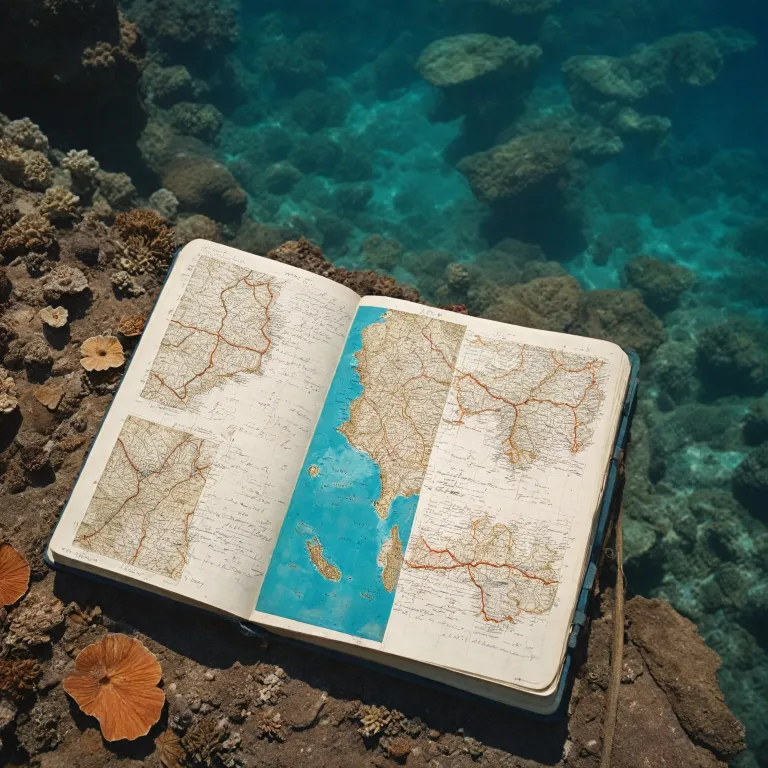
From early travelogues to the modern diver’s travelogue journal
A thoughtful travelogue journal turns a routine dive trip into a lasting narrative. When you travel with intent, each entry in your journal becomes a tide mark of changing seas, skills, and emotions. The best journals for divers balance practical notes with reflective diary style writing that captures the soul of each immersion.
Long before digital artist journals and glossy photo books, travelers carried simple paper notebooks. Matsuo Bashō’s “Nozarashi Kikō” is often cited as one of the earliest travel journals, while Burton Holmes later stated, “The term 'travelogue' was coined in 1903 by American traveler, photographer, and filmmaker Burton Holmes.” These milestones show how a private travel diary can evolve into a structured travelogue journal intended for readers.
Today, divers can choose from a wide list of formats, from a compact lined journal to a rugged leather travel notebook. Some prefer spiral bound designs that lie flat on a boat bench, while others favour a hard cover journal notebook that survives repeated trips. Whether you write in classic books or minimalist hand book formats, the aim is the same ; to support consistent journaling that preserves each day underwater.
Many divers now pair written entries with a curated photo book or digital journals. A slim travel journal can hold key data, while extended journal prompts live in a larger diary at home. Over time, these layered travel journals become a planner gift to your future self, guiding where you will travel next and how you will journal travel with more clarity.
Designing a dive focused travel journal that works in the real world
For marine travelers, the ideal travelogue journal must withstand humidity, salt spray, and cramped cabins. Start by deciding whether you prefer a leather travel cover, a vegan leather wrap, or a simple paper soft cover that dries quickly. Each material influences how your journal feels in hand during a rolling liveaboard day or a quiet evening on shore.
Many divers choose spiral or spiral bound notebooks because they fold back neatly on a dive deck. Others favour hard cover designs that protect lined pages from getting crushed in a gear bag, especially when multiple journals share space with regulators and fins. If you expect frequent flights, a compact lined journal or travel diary that fits in a small hand book pouch is often the most practical choice.
Paper quality matters more than many travelers realise, particularly when you add a wet photo or scribble fast notes between dives. Look for paper certified by a forest stewardship council or similar forest stewardship body, which signals responsible sourcing and durability. A well made journal notebook with dense paper resists bleed through from pens and keeps your list of dive sites crisp.
Layout is equally important for effective journaling during a complex trip. Some divers prefer free form diary pages, while others rely on structured journal prompts that capture depth, visibility, marine life, and equipment used. When planning a multi stop itinerary, such as a refined Costa Rica dive route, a dedicated section in your travel journal for logistics and reflections becomes as valuable as any planner gift.
Essential sections every marine travelogue journal should include
A strong travelogue journal for divers balances technical records with sensory impressions. Begin with a front section that lists emergency contacts, insurance details, and key medical notes relevant to safe scuba travel. This practical hand book style overview supports both you and any guide who might need quick information.
Next, reserve several pages in your travel journal for pre trip planning and expectations. Use this space to journal prompts about skills you want to refine, marine species you hope to see, and any training paths you might follow, such as comparing major scuba certification routes. Linking to a detailed guide on essential health precautions for safe scuba diving in your notes can remind you to review safety before each new destination.
The core of your travel diary should be structured dive logs with lined sections for site name, depth, time, and conditions. Many divers choose spiral bound or hard cover travel journals with pre printed tables, while others customise blank artist journals. Include space for a small photo, a quick sketch, or a short journal travel reflection about mood, currents, and wildlife.
Finally, dedicate end pages of your notebook to summary lists and journal reviews. Here you can compare different trips, evaluate which leather or vegan leather designs held up best, and refine your future journal choose criteria. Over several journeys, these meta notes transform your simple paper notebook into a sophisticated planner gift that guides how you travel and how you journal in the years ahead.
Choosing materials and formats for ocean ready travel journals
When you choose a travelogue journal for marine adventures, materials are not a cosmetic detail. Traditional leather travel covers feel luxurious and age beautifully, but they require care if repeatedly exposed to salt and sun. Vegan leather alternatives offer a resilient, ethical option that often resists splashes better during a choppy day at sea.
Inside, the paper must handle both lined writing and occasional dampness from wet hands. Many divers favour paper certified by a forest stewardship council or similar forest stewardship organisation, ensuring responsible sourcing and reliable performance. Thicker paper supports mixed use, from quick diary notes to attaching a small photo or printed map without warping.
Format also shapes how you journal during a trip, especially on compact boats. A spiral or spiral bound notebook opens flat on narrow surfaces, making it easier to write between dives when time is short. However, a hard cover lined journal or travel diary slides more neatly into a backpack, protecting your journal notebook from being bent by other travel books or gear.
Consider whether you want a dedicated dive travel journal or a hybrid hand book that includes general travel notes. Some divers maintain separate artist journals for sketches and a more formal travelogue journal for structured entries, while others blend both in one planner gift. Whatever you choose, ensure your journal prompts, page designs, and overall layout support the way you naturally travel, write, and reflect.
Blending analog and digital: photos, prompts, and practical tools
Modern divers often combine a handwritten travelogue journal with digital tools for richer storytelling. A compact travel journal or lined journal captures impressions immediately after a dive, while a phone or camera records high resolution images for a later photo book. This hybrid approach respects the tactile pleasure of paper and the flexibility of digital storage.
Thoughtful journal prompts help you move beyond basic data into meaningful reflection. Instead of writing only depth and time, note how a reef sounded, how currents felt, and how your confidence changed during the day. Over multiple trips, these diary style entries in your travel journals reveal patterns in your skills, preferences, and emotional responses to different marine environments.
Many divers now use online platforms to order custom designs, whether through large retailers such as amazon or specialist makers. You might choose a leather travel cover for one trip and a vegan leather spiral bound notebook gift for another, then compare them in your journal reviews section. Recording how each journal notebook performs in real conditions helps refine your future journal choose decisions.
As your collection of journals grows, consider curating a dedicated hand book or planner gift that summarises key lessons. Include a list of favourite sites, a section on training choices with links such as choosing your scuba path, and a compact photo section. This meta travel diary becomes both a reference and an evolving travelogue journal that guides how you plan, travel, and journal travel in the future.
Ethical storytelling and long term value in a diver’s journal
A refined travelogue journal does more than record personal achievements ; it shapes how we relate to the ocean. When you travel for diving, each journal entry can acknowledge local communities, fragile ecosystems, and the responsibilities that come with repeated trips. Ethical journaling turns a simple diary into a quiet act of stewardship.
Consider adding a dedicated section in your travel journal for environmental observations and responsible practices. Note coral bleaching, plastic debris, or changes in fish behaviour alongside your usual lined entries about depth and visibility. Over time, these consistent observations in your travel journals form a valuable hand book of change that complements scientific data.
Linking your notes to recognised frameworks, such as certifications from a forest stewardship council for printed materials, reinforces a culture of care. When you choose leather or vegan leather covers, record why you made that choice and how it aligns with your values. Your journal reviews can then address not only durability and designs, but also the broader impact of each notebook gift or planner gift you purchase.
Finally, remember that a well kept journal notebook can outlast many digital files and social posts. A carefully maintained hard cover or spiral bound travel diary becomes an heirloom, offering future readers a nuanced view of marine travel in this era. In that sense, every lined journal page you fill today contributes to a wider, collective travelogue journal of the world’s oceans.
Key statistics about travel writing and marine tourism
- Travel narratives and travel journals remain among the most consulted resources when divers plan new destinations, often ranking just behind official dive guidebooks in influence.
- Digital travelogues, including blogs and vlogs, have grown significantly, with a marked rise in marine focused content that combines written diary entries, photo books, and video.
- Responsible travel narratives increasingly highlight sustainability, with more writers referencing certifications such as those from forest stewardship bodies when discussing paper and print products.
Frequently asked questions about travelogues and travel journals
What is the difference between a travelogue and a travel journal?
A travel journal is a personal record of one's travel experiences, often kept during the journey, while a travelogue is a structured narrative, sometimes intended for publication, that describes the traveler's experiences and observations. For divers, the travel journal usually holds raw notes taken on the boat or in a lodge, while the travelogue journal is the refined story shaped later from those original entries.
Who coined the term 'travelogue'?
The term 'travelogue' was coined in 1903 by American traveler, photographer, and filmmaker Burton Holmes. His work shows how a private travel diary can evolve into a public narrative, a path many modern marine travelers follow when they adapt their travel journals into articles, talks, or multimedia presentations.
Can a travelogue be fictional?
While traditionally non fiction, some travelogues blend fictional elements to enhance storytelling or underscore certain experiences. For diving and marine travel, most writers keep the core of the travelogue journal factual, occasionally using literary techniques to convey mood while preserving accurate information about sites, conditions, and safety practices.
References
- UN World Tourism Organization – reports on marine and coastal tourism.
- Professional Association of Diving Instructors (PADI) – guidance on dive logging and safe travel.
- Forest Stewardship Council (FSC) – information on responsibly sourced paper products.