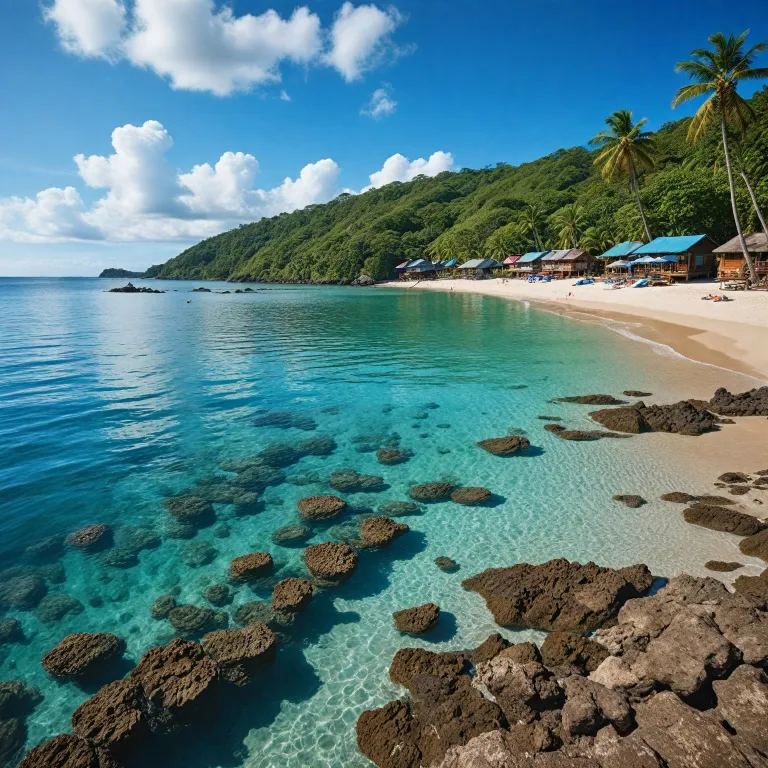
Why Costa Rica beach towns captivate divers and ocean travelers
Costa Rica beach towns line two tropical coasts that feel purpose built for divers. Along the Pacific coast and the Caribbean shore, each beach town offers different marine ecosystems, underwater visibility, and travel logistics for ocean focused itineraries. For divers planning a trip that starts in San José and ends by the sea, understanding how each beach town connects by public bus or domestic flight is essential.
Many travelers land at the international airport near San José, then transfer by bus or shuttle toward the Pacific coast. Others route through Liberia airport to reach Guanacaste’s beaches Costa more quickly, especially when time is limited to only a few hours of daylight. Both gateways give access to popular Costa Rica beach towns where palm trees frame the sand and reef rich waters lie just offshore.
On the north Pacific coast, Playas del Coco stands out among towns Costa for its established dive infrastructure. This beach town is one of the oldest coastal communities in the region, and it has grown into a great base for boat trips to nearby islands. From here, divers reach some of the best beach access points for offshore pinnacles and seasonal pelagic encounters.
Further down the Nicoya Peninsula, Tamarindo has evolved from a fishing village into one of the most popular beaches in Costa Rica. The town attracts surfers, digital nomads, and divers who appreciate its mix of lively restaurants and easy day trips to nearby dive sites. For travelers comparing Costa Rica beach towns, Tamarindo offers a balanced blend of nightlife, ocean sports, and reliable transport connections.
Planning marine focused itineraries from San José to the coast
For many visitors, the journey from San José to the coast shapes the entire diving holiday. The capital sits inland, so every beach town requires a transfer by bus, shuttle, or rental car, and travel times can range from a few hours to most of a day. Choosing the right route helps maximize time underwater while still enjoying the character of different Costa Rica beach towns.
Travelers heading toward the central Pacific coast often choose Jacó as their first stop. This popular beach town lies only a few hours from San José by public bus, making it one of the most accessible beaches Costa wide. From Jacó, it is easy to continue a short distance north to Playa Herradura, a coastal town known for its marina and sport fishing fleet that also supports dive charters.
Those aiming for the Nicoya Peninsula and its beautiful beaches often connect through Liberia airport instead. From there, Playas del Coco and other Guanacaste towns Costa are within a couple of hours by road, even on a standard bus. This region offers some of the best beach access for divers who want to combine reef dives with relaxed evenings in palm shaded restaurants.
Marine travelers should also factor in insurance, especially when planning multiple dives in remote beach towns. Policies tailored to divers can cover medical evacuation from a beach town on the Nicoya Peninsula or from the more isolated Osa Peninsula. A detailed overview of marine travel insurance options for divers and seafarers is particularly relevant when visiting areas where the nearest hospital lies several hours away.
Diving the Pacific coast from Playas del Coco to Dominical
The Pacific coast of Costa Rica offers some of the country’s best beach based diving. From Guanacaste down to Dominical, each beach town provides a different mix of underwater topography, marine life, and surface conditions. Divers who understand these nuances can match their skills and interests to the right Costa Rica beach towns along this long, varied coast.
Playas del Coco is a practical starting point for exploring the north Pacific coast. This beach town has one of the region’s most established dive communities, with boats departing before sunrise to reach offshore islands. Many consider it among the Costa Rica best hubs for accessing sites where schooling rays, turtles, and seasonal pelagics gather around volcanic rock formations.
Further south on the Nicoya Peninsula, Santa Teresa and nearby Malpais attract surfers first, yet divers increasingly appreciate their wild character. These towns Costa sit near rocky reefs and coves where visibility can fluctuate but marine life remains rich, especially around headlands. Reaching them from San José usually involves a combination of bus and ferry, which adds travel hours but rewards visitors with quieter beaches.
Continuing down the Pacific coast, Dominical stands out for its powerful surf and laid back atmosphere. While the town is better known among surfers, it also serves as a base for trips to nearby marine reserves and coastal national park areas. For divers who enjoy rugged landscapes and fewer crowds, Dominical and its neighboring beaches offer a great alternative to more developed Costa Rica beach towns.
Marine life, national parks, and protected coasts
Costa Rica beach towns sit beside some of the most biologically rich waters in the region. The country protects a significant share of its territory, and this commitment extends to coastal national park areas and marine reserves. These protected zones help maintain healthy reefs, mangroves, and offshore islands that divers can visit from several key beach towns.
On the central Pacific coast, Manuel Antonio combines a compact national park with accessible beaches and calm bays. The beach town just outside the park offers comfortable lodging, restaurants, and tour operators who run snorkeling and introductory dives. While not always the best beach for advanced diving, Manuel Antonio is ideal for mixed groups where some travelers prefer hiking and wildlife watching.
Farther south, Drake Bay on the Osa Peninsula provides access to some of the most celebrated dive sites in the country. Boats from this remote beach town reach offshore islands and protected marine areas where large schools of fish and pelagic species are common. The journey from San José involves several hours by bus and boat, but many divers consider Drake Bay and its surrounding coast worth the effort.
Across the country, conservation policies shape how operators in Costa Rica beach towns conduct their activities. “Percentage of Costa Rica's territory that is protected: 25.58 % (El País). Percentage of global biodiversity found in Costa Rica: 5 % (El País).” For divers, this means that many beaches Costa wide still feel wild, with palm trees, mangroves, and forested hillsides framing the shore rather than continuous development.
Caribbean coast, Puerto Viejo, and surface interval culture
While the Pacific coast often dominates dive discussions, the Caribbean side offers a different flavor of Costa Rica beach towns. Here, coral reefs, calmer seas in certain seasons, and Afro Caribbean culture create a distinct atmosphere. Travelers who split their time between coasts experience how varied Costa Rica beach towns can be within a relatively small country.
Puerto Viejo is the most popular beach town on this coast, known for its relaxed rhythm and colorful streets. The town’s beaches range from surf friendly breaks to sheltered coves, giving visitors options for both wave riding and snorkeling. During surface intervals, travelers can explore nearby reserves, sample local cuisine in small restaurants, or simply rest under palm trees along the sand.
Reaching Puerto Viejo from San José typically involves several hours on a public bus that crosses the central highlands. The journey passes through different climate zones before descending toward the Caribbean coast and its humid forests. For many divers, this overland route becomes part of the experience, linking the capital to one of the country’s most characterful beach towns.
Although the Caribbean coast has fewer large scale dive operations than the Pacific coast, it still offers rewarding underwater experiences. Shallow reefs near certain beaches Costa wide can be ideal for photography and relaxed exploration. When comparing Costa Rica beach towns, Puerto Viejo appeals to travelers who value culture, music, and food as much as time spent in the water.
Practical tips for choosing the right Costa Rica beach town
Selecting the right Costa Rica beach towns for a diving focused trip requires balancing logistics, conditions, and personal style. Some travelers prioritize the best beach access to advanced dive sites, while others want a beach town with lively nightlife and varied restaurants. Clarifying these preferences before leaving San José helps narrow down the long list of potential towns Costa wide.
Transport is a major factor, especially for those relying on a public bus rather than rental cars. Playas del Coco, Jacó, and Manuel Antonio are relatively straightforward to reach from San José or Liberia airport within a few hours. More remote places like Drake Bay or certain Nicoya Peninsula villages demand longer travel days and sometimes boat transfers along the coast.
Divers should also consider training needs and certification goals when comparing Costa Rica beach towns. Locations with multiple dive centers, such as Playas del Coco or Tamarindo, often provide flexible schedules for courses and guided dives. A detailed guide on how to choose the right scuba training path can help travelers decide where to complete their open water or advanced certifications.
Finally, seasonality influences visibility, swell, and rainfall along both the Pacific coast and Caribbean shore. Some beaches Costa wide offer relatively consistent conditions, while others shift dramatically between calmer and rougher months. Checking recent reports from operators in each beach town provides more reliable guidance than relying solely on general climate descriptions.
Safety, sustainability, and respectful travel in beach towns
Safety and sustainability are central concerns for divers visiting Costa Rica beach towns. Many communities along the Pacific coast and Caribbean shore depend heavily on marine tourism, so responsible behavior directly supports local livelihoods. Travelers who respect local guidelines help ensure that beautiful beaches and reefs remain healthy for future visitors.
In practical terms, this means choosing operators who follow established safety standards and environmental practices. Reputable dive centers in towns Costa wide brief guests on currents, entry points, and emergency procedures before every dive. They also encourage buoyancy control to protect coral, avoid feeding wildlife, and limit contact with fragile seabed habitats near each beach town.
On land, visitors can support sustainability by minimizing single use plastics, respecting wildlife corridors, and staying on marked trails in any nearby national park. Many Costa Rica beach towns, from Playas del Coco to Puerto Viejo, participate in coastal cleanups and conservation projects. Joining these efforts during a rest day from diving can be a meaningful way to give back to the beaches Costa travelers enjoy.
Health wise, divers should plan adequate surface intervals, stay hydrated in the tropical climate, and avoid rushing long bus journeys immediately after multiple dives. Remote areas like Drake Bay or parts of the Nicoya Peninsula may be several hours from advanced medical care. Carrying essential medications, confirming evacuation options, and sharing dive plans with operators in each beach town all contribute to a safer, more relaxed marine travel experience.
Key ocean and conservation statistics for Costa Rica
- Percentage of Costa Rica's territory that is protected : 25.58 %.
- Percentage of global biodiversity found in Costa Rica : 5 %.
Questions travelers often ask about Costa Rica beach towns
What are the best beach towns in Costa Rica for surfing?
Tamarindo, Dominical, and Malpais are renowned for their excellent surfing conditions.
Which Costa Rican beach towns are known for luxury resorts?
Playa Flamingo and Playa Herradura offer upscale accommodations and amenities.
Are there family friendly beach towns in Costa Rica?
Playa Hermosa near Jacó is known for its calm waters and family friendly atmosphere.