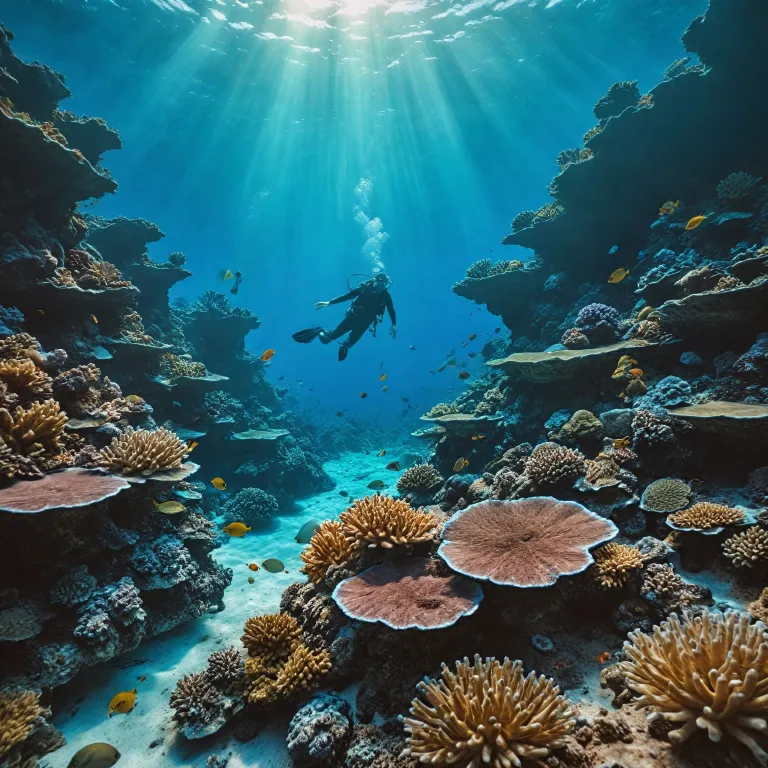
Understanding the core differences between snorkeling and scuba diving
Snorkeling and scuba diving are two of the most popular ways to experience the underwater world, yet they offer distinct approaches to exploring marine life. Snorkeling involves floating on the surface of the water with a mask and snorkel, allowing you to observe marine life in shallow waters without the need for extensive training or equipment. In contrast, scuba diving enables divers to descend beneath the surface using an air tank and specialized diving gear, providing access to deeper environments and a more immersive encounter with coral reefs and marine life. The difference between snorkeling and scuba diving is not only about depth but also about the level of training required, the type of gear used, and the overall experience each activity delivers.
Snorkeling is accessible to most people, requiring only basic swimming skills and minimal gear such as a mask, snorkel, and snorkel fins. Scuba diving, on the other hand, demands formal training from recognized agencies like PADI or SSI, and divers must master buoyancy control and the use of a control device to ensure safety underwater. The best snorkeling spots are typically found in calm, clear, shallow waters teeming with vibrant marine life, while scuba divers can explore open water environments, shipwrecks, and deeper coral reefs. Both activities offer unique perspectives on the ocean, but the choice between snorkeling and scuba diving often depends on your comfort level, interest in marine exploration, and willingness to invest in training and equipment.
When considering snorkeling vs scuba diving, it is important to evaluate your physical fitness, confidence in the water, and desire for adventure. Snorkeling is generally considered safer and more straightforward, making it ideal for families and beginners. Scuba diving requires a greater commitment but rewards divers with unparalleled access to underwater wonders. Whether you choose to snorkel or scuba dive, both experiences foster a deep appreciation for marine ecosystems and the importance of ocean conservation.
Equipment essentials: from mask snorkel to advanced diving gear
The gear required for snorkeling and scuba diving reflects the fundamental differences between these activities. Snorkelers typically need a well-fitting mask, a snorkel, and snorkel fins, all designed to maximize comfort and visibility at the surface. The mask creates an air pocket for clear vision underwater, while the snorkel allows for effortless breathing as you float face-down. Snorkeling gear is lightweight, easy to pack, and relatively affordable, with the average cost of a complete set around 100 USD.
Scuba diving equipment is more complex and includes a mask, fins, a buoyancy control device, a regulator, an air tank, and exposure protection such as wetsuits. The control device is essential for managing buoyancy at various depths, while the regulator delivers air from the tank to the diver. Scuba divers must also carry additional safety gear, including dive computers and signaling devices, to ensure a secure underwater experience. The investment in scuba diving gear and training is significant, with the average cost of certification around 500 USD, but it opens up a world of underwater exploration.
Choosing the best gear for your needs depends on the type of water activity you plan to pursue. For those interested in both snorkeling and diving, hybrid options like snuba provide a bridge between the two, offering the freedom of surface breathing with the ability to explore slightly deeper waters. When selecting equipment, prioritize fit, comfort, and quality to enhance your underwater experience. For more details on selecting the right equipment for your next marine adventure, visit this comprehensive guide to diving and snorkeling gear.
Training, safety, and certification: what every diver and snorkeler should know
One of the most significant differences between snorkeling and scuba diving lies in the training and certification requirements. Snorkeling is accessible to nearly everyone, as it does not require formal instruction or certification. Basic swimming skills and an understanding of water safety are sufficient for most snorkelers. However, it is essential to be aware of local conditions, such as currents and visibility, to ensure a safe and enjoyable experience.
Scuba diving, by contrast, requires comprehensive training from recognized agencies such as PADI or SSI. Divers must complete theoretical lessons, confined water sessions, and open water dives to earn their certification. This process, which typically takes several days, covers essential skills like buoyancy control, emergency procedures, and the use of a control device. As one expert notes, "Obtaining an Open Water Diver certification typically takes 3-4 days, including both theoretical and practical training." Safety is paramount in scuba diving, and divers must adhere to strict protocols to minimize risks associated with deeper dives and the use of compressed air.
Both activities benefit from ongoing education and practice. Advanced courses are available for scuba divers seeking to explore new environments or specialize in areas such as underwater photography or wreck diving. Snorkelers can also enhance their skills by learning about marine life identification and eco-friendly practices. For further insights into training and safety, explore this resource on diver and snorkeler education.
Marine life encounters: what to expect underwater
One of the main attractions of both snorkeling and scuba diving is the opportunity to observe marine life in its natural habitat. Snorkeling offers a window into the vibrant world of shallow coral reefs, where colorful fish, sea turtles, and intricate coral formations abound. As highlighted in expert guidance, "Snorkelers can observe a variety of marine life, including colorful fish, coral reefs, and occasionally sea turtles, depending on the location." The best snorkeling sites are often found in protected bays or lagoons with calm, clear water and abundant biodiversity.
Scuba diving takes marine exploration to another level, allowing divers to descend to depths of up to 40 meters and encounter species rarely seen at the surface. Scuba divers can explore dramatic underwater landscapes, swim alongside larger marine animals, and witness the intricate relationships within coral reef ecosystems. The use of advanced diving gear and buoyancy control enables divers to approach marine life with minimal disturbance, resulting in more intimate and rewarding encounters.
Both snorkeling and scuba diving contribute to a deeper understanding of ocean ecosystems and the importance of conservation. Responsible practices, such as avoiding contact with coral reefs and respecting marine life, are essential for preserving these fragile environments. For those seeking inspiration for their next underwater adventure, consider exploring the renowned reefs of Cozumel, a destination celebrated for its rich marine biodiversity and exceptional visibility.
Popular destinations: from Cozumel to hidden gems
Choosing the right destination is crucial for maximizing your snorkeling or scuba diving experience. Cozumel stands out as a premier location, renowned for its crystal-clear water, thriving coral reefs, and diverse marine life. The island offers exceptional opportunities for both snorkeling and scuba diving, with sites suitable for all skill levels. Shallow waters near the shore are ideal for snorkelers, while deeper reefs and walls attract experienced scuba divers seeking adventure.
Beyond Cozumel, there are countless destinations worldwide that cater to both snorkeling and diving enthusiasts. The Red Sea, the Great Barrier Reef, and the Maldives are celebrated for their vibrant marine ecosystems and world-class dive sites. Hidden gems can also be found in lesser-known regions, where pristine coral reefs and abundant marine life await those willing to explore off the beaten path. When selecting a destination, consider factors such as water temperature, visibility, and the presence of unique species or underwater features.
Travelers should also prioritize safety and sustainability when planning their trips. Choose operators with strong environmental practices and ensure that your activities have minimal impact on marine habitats. Whether you are drawn to the surface beauty of snorkeling or the immersive depths of scuba diving, the world’s oceans offer endless possibilities for exploration and discovery.
Making your choice: factors to consider for your next underwater journey
Deciding between snorkeling and scuba diving involves weighing several factors, including your comfort in the water, interest in marine life, and willingness to invest in training and equipment. Snorkeling is ideal for those seeking a simple, accessible way to experience the ocean, requiring minimal gear and no certification. It is perfect for families, beginners, or anyone looking to enjoy the beauty of shallow waters and vibrant marine life with ease.
Scuba diving, while more demanding, offers unparalleled access to the underwater world. The training and equipment required may be more intensive, but the rewards include the ability to explore deeper environments, encounter a wider range of species, and develop advanced skills such as buoyancy control. For those passionate about marine exploration, scuba diving opens doors to new adventures and lifelong learning.
Ultimately, the choice between snorkeling and scuba diving depends on your personal goals, physical abilities, and the type of experience you seek. Both activities foster a profound connection with the ocean and contribute to a greater appreciation for marine conservation. Whether you choose to snorkel, dive, or combine both, the underwater world promises unforgettable moments and lasting memories.
Key statistics: snorkeling vs scuba diving by the numbers
- Average depth for snorkeling: 3 meters
- Maximum depth for recreational scuba diving: 40 meters
- Average cost of snorkeling gear: 100 USD
- Average cost of scuba diving certification: 500 USD
Frequently asked questions about snorkeling vs scuba diving
Do I need certification to snorkel?
No, snorkeling does not require certification; basic swimming skills are sufficient.
Is snorkeling safer than scuba diving?
Both activities have inherent risks, but snorkeling is generally considered safer due to its simplicity and surface-level nature.
Can children participate in scuba diving?
Yes, children as young as 10 years old can obtain junior scuba certifications, with certain depth and supervision restrictions.