Planning exceptional scuba diving journeys in Africa from North America
Planning a trip focused on the best scuba diving destinations in Africa accessible from North America starts with understanding distance and logistics. Flights from major hubs such as New York, Toronto, and Atlanta connect efficiently to Johannesburg, Dar es Salaam, and Maputo, which then open the door to remote islands and wild south coasts. With careful routing, divers can reach world class marine environments in africa within two travel days, while still arriving rested enough to enjoy their first dive safely.
For many travelers, the deep subject is how to balance long haul travel with meaningful time underwater and responsible interaction with marine life. Africa offers year round opportunities for scuba diving, yet each region has a distinct optimal window that shapes visibility, currents, and the presence of sharks or whale sharks. When evaluating the best dive options, consider not only the headline species but also reef health, coral reefs resilience, and the capacity of local operators to support conservation minded diving africa itineraries.
Travelers coming from the north will usually route through Europe or the Middle East before heading south into the Indian Ocean or the red sea gateways. This structure makes it possible to combine several islands or coastal dive spots in a single journey, for example pairing mozambique with south africa or linking mafia island with the reefs off Zanzibar. Throughout planning, ensure that every leg of the trip allows enough surface intervals and rest, especially before deeper dive sites or shark focused expeditions.
Mnemba Island and Mafia Island: Indian Ocean sanctuaries for marine life
Among the best scuba diving destinations in Africa accessible from North America, Mnemba Island and mafia island stand out for clear waters and gentle conditions. Mnemba Island lies off Zanzibar’s northeast coast, surrounded by coral reefs that host more than 600 coral species and abundant reef fish. These sheltered dive spots are ideal for divers seeking relaxed underwater photography, yet they also provide encounters with reef sharks, turtles, and seasonal pelagic species moving through the indian ocean.
The best period for scuba diving around Mnemba Island typically runs from November to March, when seas are calm and visibility peaks. During these months, divers can plan multiple dives per day, exploring shallow coral gardens in the morning and slightly deeper dive sites in the afternoon. Because conditions are generally mild, this island suits mixed experience groups, allowing newer divers to build confidence while advanced divers focus on marine life behavior and macro subjects.
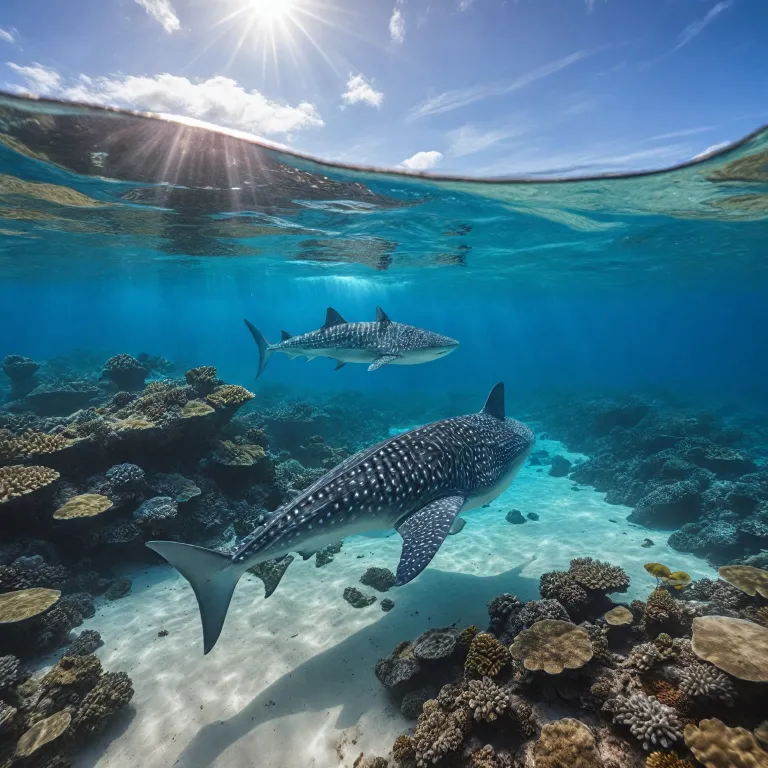
Mafia island, located further south along the Tanzanian coast, offers a different rhythm and some of the best dive opportunities for whale shark encounters. Here, the season for whale sharks usually aligns with plankton rich months, turning the surrounding waters into a feeding ground where these gentle giants cruise near the surface. For detailed trip planning, including how long your scuba tank will last underwater in varying depths and currents, consult a specialized guide on scuba tank air consumption and dive time before finalizing your itinerary.
Sodwana Bay and Protea Banks: south africa’s contrasting dive experiences
On the mainland, south africa offers two contrasting pillars among the best scuba diving destinations in Africa accessible from North America. Sodwana Bay, on the northern KwaZulu Natal coast, is renowned for warm water coral reefs, gentle topography, and a vibrant mix of reef fish and macro species. Each year, around 35 000 divers visit these dive sites, drawn by visibility that can reach 30 metres during the April to September window.
Sodwana’s reefs form part of a larger marine protected area, and the marine life here includes turtles, rays, reef sharks, and seasonal pelagic visitors. The best dive plans often combine shallow coral reefs for photography with slightly deeper dive spots where currents bring in schooling fish and occasional sharks. Because conditions are generally manageable, this region suits intermediate divers who want to refine buoyancy while still enjoying the excitement of diving africa’s biodiverse coast.
Further south, Protea Banks offers a very different profile, focused on shark diving and advanced level drift dives. The reef lies about 7 kilometres offshore at depths around 30 metres, where strong currents attract large sharks, including bull sharks, tiger sharks, and hammerheads. Diving in Protea Banks is generally safe for experienced divers; however, due to strong currents and the presence of large predators like sharks, it is recommended for advanced divers and should be conducted with reputable dive operators.
Vamizi Island and Mozambique’s Quirimbas: remote reefs in the indian ocean
For travelers willing to journey further north, mozambique’s Quirimbas Archipelago offers some of the best scuba diving destinations in Africa accessible from North America, especially around Vamizi Island. This remote island sits in the northern indian ocean, where nutrient rich currents support healthy coral reefs and diverse marine life. Divers here can expect walls draped in soft corals, schools of reef fish, and regular sightings of reef sharks patrolling the drop offs.
Vamizi Island’s dive sites are typically less crowded than those in more famous regions, which enhances both safety and the sense of immersion in wild africa. The best dive conditions vary throughout the year, but many operators run trips year round, adjusting schedules to match tides, currents, and visibility. Because of the remoteness, divers should arrive with solid skills in buoyancy and gas management, as well as an appreciation for low impact techniques that protect fragile coral reefs.
Elsewhere in mozambique, additional islands and coastal dive spots extend the safari style appeal of diving africa. Some itineraries combine Vamizi Island with mainland national park visits, allowing guests to experience terrestrial safari and underwater safari in a single journey. When planning such trips from North America, factor in extra buffer days for regional flights and boat transfers, ensuring that any long southbound travel legs are separated from deep scuba diving days by adequate rest.
Madagascar, cape verde, and seasonal whale sharks in africa
Beyond the classic routes, madagascar and cape verde provide alternative options among the best scuba diving destinations in Africa accessible from North America. Madagascar’s extensive coastline and offshore islands host varied marine life, from reef fish and macro species to occasional manta rays and sharks. While infrastructure can be less polished than in south africa or mozambique, the sense of exploration appeals to divers who value raw africa seascapes and quieter dive spots.
Cape verde, located off the west african coast, offers volcanic underwater landscapes rather than classic coral reefs, yet still supports rich marine life. Divers encounter schooling fish, turtles, and seasonal pelagic visitors, with some islands offering chances to see sharks in blue water conditions. Because cape verde sits closer to the Atlantic routes from North America, travel times can be shorter, making it a practical option for those with limited holiday time who still want a distinctive diving africa experience.
Across these regions, whale sharks and manta rays remain key draws, though their presence is strongly seasonal and linked to plankton blooms. Whale sharks are most reliably seen in specific areas such as mafia island and parts of mozambique, where operators tailor trips around these gentle giants. To maximize chances, divers should plan travel during known aggregation periods, accept that sightings are never guaranteed, and prioritize operators who follow strict codes of conduct around these iconic species.
Designing a multi destination marine safari from North America
Many travelers now design multi destination itineraries that link several of the best scuba diving destinations in Africa accessible from North America into a coherent marine safari. A classic route might combine Mnemba Island or mafia island for relaxed coral reefs with Sodwana Bay for structured reef diving, then finish at Protea Banks for high adrenaline shark encounters. Another option pairs mozambique’s Quirimbas islands and Vamizi Island with a terrestrial national park, blending big game viewing with time underwater among reef sharks and manta rays.
When planning such journeys, consider not only flight paths from the north but also seasonal patterns that shape marine life. Some regions are effectively year round, while others have pronounced peaks for sharks, whale sharks, or manta rays, which may influence the order in which you visit each island or coast. It is also wise to integrate cultural or coastal extensions, perhaps referencing an elegant guide to beaches in another region such as top beaches in Colombia for divers and ocean lovers to inspire how you balance underwater time with shore based relaxation.
Throughout planning, emphasize safety, conservation, and respect for local communities that depend on marine resources for their life and livelihoods. Verify operator credentials, ensure that dive briefings address fragile coral reefs and responsible shark interactions, and choose accommodations that support local employment. By approaching diving africa as both an adventure and a privilege, divers from North America can enjoy the best dive experiences while contributing to the long term protection of these exceptional marine environments.
Practical travel guidance for diving africa responsibly
Before committing to any of the best scuba diving destinations in Africa accessible from North America, travelers should review entry requirements, health guidance, and insurance coverage. Visa rules differ between Tanzania, south africa, mozambique, madagascar, and cape verde, so confirm details well in advance. Health preparations may include vaccinations, malaria prevention in certain regions, and a medical check to ensure fitness for scuba diving at depth.
From a safety perspective, divers should match their certification level to the demands of each region, especially at advanced dive sites such as Protea Banks. Strong currents, deeper profiles, and the presence of large sharks require confident buoyancy, situational awareness, and adherence to guide instructions. Less demanding islands and reefs, including Mnemba Island, mafia island, and many mozambique dive spots, remain suitable for intermediate divers who still wish to encounter impressive marine life.
Responsible travel also means supporting operators who prioritize marine conservation and community engagement across africa. Look for dive centers involved in reef monitoring, shark research, or coral restoration, and consider contributing data through citizen science programs during your dives. By aligning your choices with long term protection of marine life, you help ensure that africa’s reefs, sharks, whale sharks, and manta rays continue to thrive for future divers traveling from every corner of the world.
Key statistics for leading African scuba destinations
- Mnemba Island’s surrounding reef hosts approximately 600 distinct coral species, indicating exceptional biodiversity for such a small island environment.
- Sodwana Bay welcomes around 35 000 divers annually, reflecting its status as one of south africa’s most popular and accessible coral reef systems.
- The main reef at Protea Banks lies at roughly 30 metres depth, demanding advanced training and careful gas planning for safe shark focused dives.
Essential questions for planning African dive travel
What is the best time to dive in Mnemba Island ?
The best time to dive in Mnemba Island is between November and March, when conditions are calm and visibility is at its maximum. During this period, divers benefit from stable seas, warm water, and predictable currents that suit a wide range of experience levels. Outside these months, diving remains possible, but visibility and surface conditions can fluctuate more noticeably.
Are there any safety concerns for diving in Protea Banks ?
Diving in Protea Banks is generally safe for experienced divers; however, due to strong currents and the presence of large predators like sharks, it is recommended for advanced divers and should be conducted with reputable dive operators. Depths around 30 metres and blue water conditions require disciplined buoyancy control, gas management, and adherence to guide instructions. Prospective visitors should ensure their training, fitness, and equipment are appropriate for these demanding dive sites.
Do I need a visa to travel to these African diving destinations ?
Visa requirements vary by country. It's essential to check the specific entry requirements for Tanzania, South Africa, and Mozambique before planning your trip. Travelers from North America should verify validity periods, possible e visa options, and any additional documentation needed for multi country itineraries that combine several diving africa regions.