Spanish Virgin Islands for divers seeking quiet horizons
The Spanish Virgin Islands offer a rare blend of intact reefs, low visitor numbers, and understated charm. Lying east of the main island Puerto Rico, this compact island Puerto region feels far removed from crowded resort strips. For serious divers, the appeal is clear, because the islands combine healthy coral, gentle trade winds, and short yacht transfers between sites.
Geographically, this Puerto Rican outpost sits within the wider Virgin Islands chain, yet it retains a distinct spanish character. The main island Puerto hubs are Vieques and Culebra, which together cover about 165 km² and remain sparsely populated compared with many caribbean islands. Their position between the united states Virgin Islands and the british Virgin territory creates a crossroads of cultures, languages, and marine currents.
Historically, Christopher Columbus is recorded as the explorer who “discovered the Virgin Islands in 1493.” Later, Spain ceded Puerto Rico and its surrounding islands to the united states, reshaping trade routes and maritime control. Much later, the U.S. Navy used parts of Vieques for training exercises until 2003, leaving a complex legacy that still shapes local conservation debates. Today, divers encounter this layered past through wrecks, coastal batteries, and oral histories shared by Puerto Rican captains.
For marine travelers, the spanish virgin region rewards slow itineraries rather than rushed checklists. A week allows time to move between islands vieques and Culebra, adjust to the rhythm of small harbours, and plan dives around tides and visibility. Many yacht charter operators now emphasise low impact practices, aligning with growing eco tourism across the caribbean islands.
Currents, visibility, and marine life in the spanish virgin region
Underwater conditions around each island vary subtly, so planning matters. The spanish virgin area generally offers warm water, moderate currents, and visibility that often exceeds 25 metres on outer reefs. Closer to shore, especially near mangroves on Vieques island, visibility can drop but biodiversity increases dramatically.
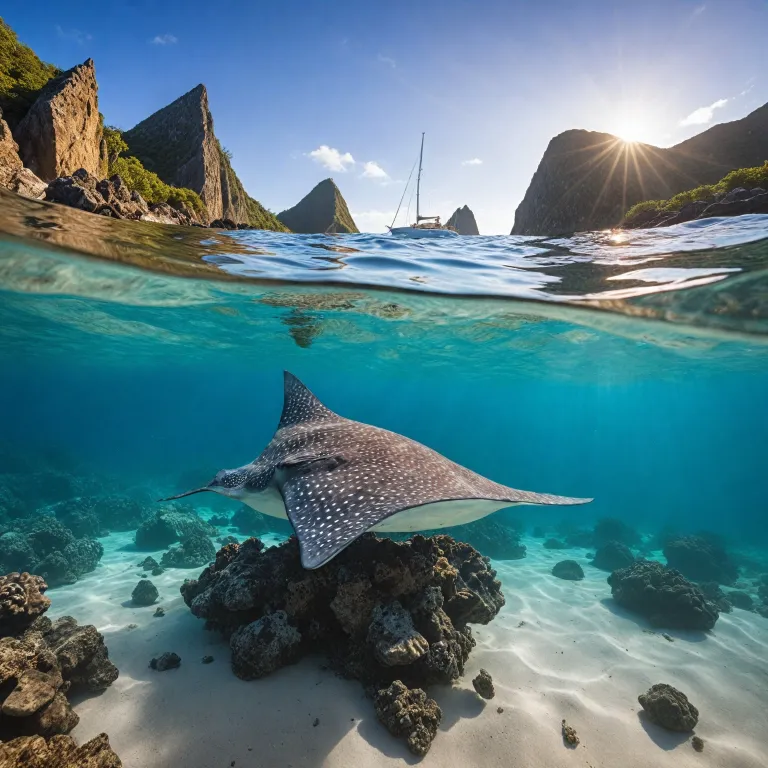
On Culebra island, sites near Flamenco Beach and the northern reefs showcase classic caribbean coral gardens. Here, divers glide over brain coral, sea fans, and sandy patches where southern stingrays rest, while schools of blue tangs create shifting clouds of colour. The nearby cays of the svi sub region provide sheltered options when swell builds on exposed coasts.
Vieques culebra itineraries allow you to sample both reef and history focused dives. Around Vieques island, former military zones now form part of a wildlife refuge, where reefs have rebounded as bombing ceased and fishing pressure eased. This transformation illustrates how the united states naval presence, once purely strategic, inadvertently created no take zones that now benefit marine life.
Wreck enthusiasts will find fewer large steel ships than in some caribbean states, yet there are still engaging sites. For broader context on maritime heritage, many divers pair a spanish virgin trip with specialised wreck diving adventures elsewhere in the region. This combination highlights how navigation, trade, and conflict shaped routes between Puerto Rico, the british Virgin Islands, and the wider united states sphere.
Language, culture, and the meaning of “virgin” for visiting divers
Understanding the cultural and linguistic context of the spanish virgin area deepens any dive trip. Locals primarily speak spanish, yet english is widely understood in tourism, charter, and port services. Many Puerto Rican guides naturally switch between spanish english conversation, helping international guests feel at ease.
For language enthusiasts, the term virgin itself becomes a small lesson in vocabulary and history. In spanish, the noun virgen carries religious and symbolic weight, while in english the word virgin often evokes untouched nature or purity. When you hear people mention the virgin islands, they are referencing a broader archipelago that spans both united states and british administrations.
Consulting an english dictionary or a bilingual english spanish dictionary before travelling can be surprisingly useful. You will encounter translation nuances, such as how virgen appears in example sentences about landscapes, not only spirituality. A compact travel dictionary or app allows quick learning moments on deck, turning idle surface intervals into informal language learning sessions.
Some divers enjoy noting how guides use rico spanish expressions alongside maritime english. Over time, you build a personal vocabulary of dive related terms, from buoy and mooring to arrecife and corriente. Resources that analyse stone anchors and ancient trade, such as this article on ancient maritime technology, also highlight how language, navigation, and culture intertwine.
Planning a yacht based itinerary around Vieques and Culebra
For many experienced divers, a yacht charter is the most elegant way to explore the spanish virgin region. A well planned route links Culebra, Vieques, and smaller islands spanish cays into a coherent circuit. This approach maximises time on the water while minimising repeated check ins and transfers.
Most yacht charter departures begin on the main Puerto Rico island, where provisioning and formalities are straightforward. From there, skippers typically head east toward Culebra vieques passages, choosing anchorages based on wind direction and swell. Because these islands sit within united states jurisdiction, regulations feel familiar to many North American sailors.
When plotting your svi route, consider both diving priorities and surface interests. Some guests prioritise long reef dives around islands vieques, while others prefer shorter dives combined with shore excursions to historical sites. The Vieques National Wildlife Refuge, for example, offers hiking, birdwatching, and quiet beaches between dives.
Those building a broader caribbean bucket list often combine a spanish virgin yacht itinerary with other destinations. Linking this cruise with tailored Cozumel diving packages creates an appealing contrast between drift heavy walls and calmer island puerto anchorages. Over time, such multi region planning yields a nuanced understanding of how currents, geology, and culture differ across the caribbean islands.
From military training grounds to protected marine refuge
The modern spanish virgin landscape reflects centuries of shifting control and purpose. After Spain ceded Puerto Rico and its surrounding islands to the united states, strategic value became paramount. During the twentieth century, the U.S. Navy used parts of Vieques island for live fire training, reshaping coastlines and local livelihoods.
Today, much of that former range forms part of a national wildlife refuge, where access is regulated and ecosystems are slowly recovering. Divers visiting islands vieques must respect closures, signage, and local guidance, because some zones remain off limits for safety or conservation reasons. The transformation from training ground to refuge illustrates how policy can redirect the fate of an island puerto environment.
For marine travellers, this history adds depth to every yacht based itinerary. When you anchor off a quiet bay on Vieques culebra routes, you are often floating above waters once used for exercises by the united states military. Guides may share stories of protests, negotiations, and eventual withdrawal, which continue to shape Puerto Rican identity.
This layered past also influences how local communities frame tourism, language, and education. Many operators emphasise learning opportunities, from guided snorkel briefings to short talks about caribbean ecology. By engaging with both the english spanish narrative and the rico virgin heritage, divers become more thoughtful guests in a region still balancing memory and renewal.
Practical tips for responsible diving in the spanish virgin area
Thoughtful preparation ensures that your spanish virgin journey remains both safe and respectful. Start by reviewing charts, tide tables, and marine park regulations for Vieques, Culebra, and nearby islands spanish cays. Many operators provide digital briefings in both english and spanish, which helps mixed language groups align expectations.
Pack streamlined gear suitable for warm caribbean conditions, including a light wetsuit, surface marker buoy, and reef safe sunscreen. If you plan a yacht charter, confirm compressor capacity, tank numbers, and emergency oxygen on board. These details matter when exploring more remote svi anchorages where shore support is limited.
Culturally, a few words of rico spanish go a long way with Puerto Rican crews. Simple greetings, polite phrases, and basic nautical vocabulary show respect for the host community. Using an english dictionary or bilingual app to check a noun or quick translation can turn small interactions into meaningful exchanges.
Finally, treat each reef as part of a shared caribbean bucket list that must be protected, not consumed. Maintain perfect buoyancy, avoid touching coral, and follow local guidelines around fishing zones and moorings. By aligning your behaviour with both united states regulations and Puerto Rican conservation values, you help ensure that these virgin virgen seascapes remain vibrant for future divers.
Key statistics for divers and marine travellers
- Total combined area of Vieques and Culebra is approximately 165.1 km², offering a compact yet varied cruising ground for yacht based itineraries.
- Population of Culebra is around 1 800 people, which helps preserve a quiet, small island atmosphere for visiting divers.
- Population of Vieques is roughly 9 100 residents, supporting essential services while keeping development relatively low density.
Essential questions about the spanish virgin islands
What are the Spanish Virgin Islands ?
The Spanish Virgin Islands, also known as the Puerto Rican Virgin Islands, consist primarily of the islands of Vieques and Culebra, which are part of Puerto Rico. They sit east of the main island Puerto Rico within the broader virgin islands archipelago. For divers, this means easy access from the united states while retaining a distinctly caribbean atmosphere.
How can I travel to the Spanish Virgin Islands ?
You can travel to the Spanish Virgin Islands by ferry or small aircraft from the main island of Puerto Rico. Many visitors fly into San Juan, then connect onward to Vieques island or Culebra island via regional airlines. Others choose ferries, which allow more flexible luggage for dive gear and support yacht charter rendezvous.
What are the main attractions in the Spanish Virgin Islands ?
Main attractions include Flamenco Beach on Culebra, the Vieques National Wildlife Refuge, and various historical sites. For divers, the appeal extends to healthy reefs, calm anchorages, and relatively uncrowded sites around islands vieques and Culebra vieques passages. Combined with rich Puerto Rican culture and bilingual spanish english hospitality, these elements create a refined yet relaxed marine travel experience.