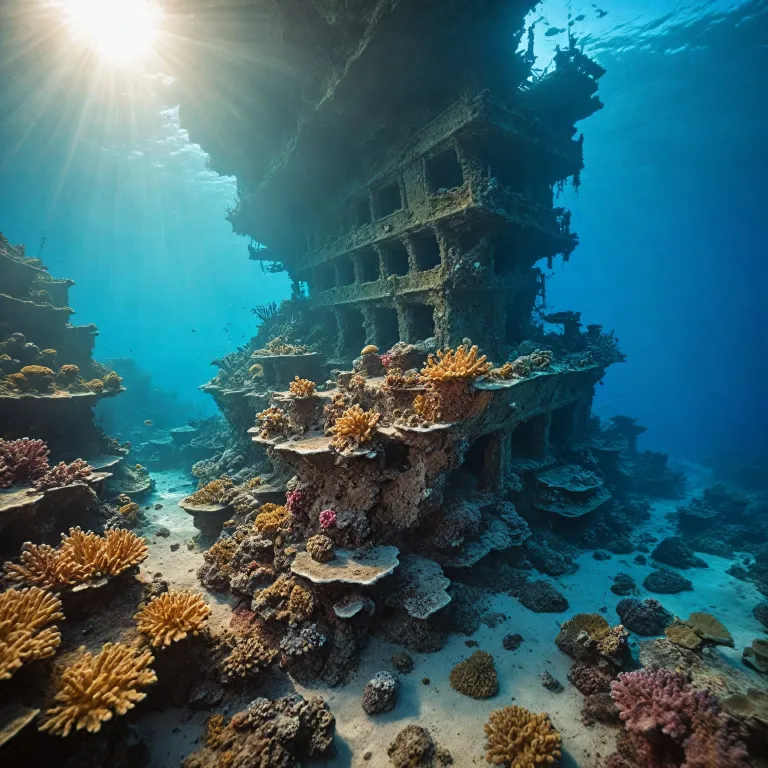
Immersing in the world of wreck diving adventures: history, allure, and preparation
Wreck diving adventures offer a unique blend of maritime history and underwater exploration, captivating divers who seek more than just vibrant reefs. Each wreck, whether a sunken ship or an artificial reef, tells a story that intertwines human endeavor with the mysteries of the sea. The allure of these sites lies not only in their historical significance but also in the thriving marine life that transforms wrecks into living ecosystems. Preparation is essential for any successful wreck dive. Divers must ensure they possess the appropriate scuba diving certifications, especially when planning to penetrate wrecks or reach maximum depths. Many opt for specialized wreck diving courses, which provide both classroom instruction and open water dives to build confidence and expertise. The Florida Keys and Oahu, Hawaii, are renowned for their accessible wreck sites, offering opportunities for both novice and experienced wreck divers. Before embarking on a dive trip, it is crucial to research reputable dive shops and operators with a strong track record in wreck diving. Safety remains paramount; divers should always follow their guide’s instructions and be aware of local regulations. The experience of exploring a sunken ship, feeling the weight of history, and observing marine life weaving through the structure is unparalleled. Wreck diving adventures are not only about the thrill but also about respecting the past and the delicate balance of marine ecosystems.Essential skills and certifications for safe and rewarding wreck dives
Wreck diving requires a distinct set of skills beyond those needed for standard reef dives. Divers must master buoyancy control, navigation, and the use of safety equipment such as reels and lines. Specialized wreck diving courses, like those offered by Sidemount Pros, combine theoretical knowledge with practical training, ensuring divers are prepared for the unique challenges of these sites. Certification is a critical step for anyone wishing to participate in wreck dives, particularly when exploring inside sunken ships. Open water certification is the minimum requirement, but advanced courses focus on techniques for safe penetration, emergency procedures, and understanding the structural integrity of wrecks. Group dives are common, as they enhance safety and allow for shared experiences among divers. The Florida Keys and Key West are popular destinations for wreck diving adventures, with dive shops offering tailored courses and guided trips. Divers can expect to encounter a variety of marine life, from schools of fish to larger predators that patrol the artificial reefs. For those seeking to expand their skills, enrolling in a wreck diver course is an investment in both safety and enjoyment. For more on advanced training, explore our comprehensive guide to diving certifications and courses.Iconic wreck dive sites: from Oahu’s Sea Tiger to the Florida Keys
Some of the world’s most celebrated wreck dive sites are found in Oahu, Hawaii, and the Florida Keys. The Sea Tiger, an artificial reef off Oahu, offers divers the chance to explore a well-preserved sunken ship teeming with marine life. Its maximum depth challenges even experienced divers, while the clear waters provide excellent visibility for observing the intricate details of the wreck. In the Florida Keys, Key West is home to numerous wrecks, including the intentionally sunk Vandenberg and the Spiegel Grove. These sites have become havens for marine life, with vibrant coral growth and schools of fish weaving through the structures. Dive trips to these locations are organized by local dive shops, ensuring divers have access to the necessary equipment and guidance. Wreck diving adventures in these regions cater to a range of experience levels, from open water divers to those seeking advanced wreck diver certification. Each site offers a unique blend of history, marine biodiversity, and technical challenge. For a curated list of the best wreck dive sites worldwide, visit our wreck diving destinations page.Marine life encounters: biodiversity thriving on sunken ships and artificial reefs
Wrecks and artificial reefs serve as vital habitats for marine life, transforming once-lifeless structures into bustling underwater communities. Divers often encounter an array of fish species, from colorful reef dwellers to elusive predators. The nooks and crannies of sunken ships provide shelter for crustaceans, moray eels, and octopuses, while the open spaces attract schools of jacks and barracuda. The process of colonization begins soon after a wreck settles on the sea floor. Coral polyps attach to the surfaces, gradually building a reef that supports a complex web of life. This transformation not only enhances the diving experience but also contributes to marine conservation by relieving pressure on natural reefs. Wreck diving adventures thus offer divers the chance to witness ecological succession firsthand. Artificial reefs, such as those created by the intentional sinking of ships in the Florida Keys and Oahu, have become focal points for marine research and tourism. Divers participating in group dives or solo explorations can observe the dynamic interactions between species and the evolving structure of the reef. For those interested in marine biodiversity, wreck dives provide a window into the resilience and adaptability of ocean life. For more on marine conservation and how divers contribute, see our article on marine ecosystem preservation.Planning your wreck diving adventure: logistics, safety, and group experiences
A successful wreck diving adventure begins with careful planning and adherence to safety protocols. Selecting the right dive shop is crucial; experienced operators offer not only equipment and boat access but also invaluable local knowledge of dive sites and conditions. Dive trips are often organized for small groups, fostering camaraderie and shared learning among divers. Safety is paramount, particularly when exploring wrecks with complex interiors or at greater depths. Divers should always check their equipment, review emergency procedures, and communicate clearly with their group. Many dive shops in Oahu and the Florida Keys provide pre-dive briefings, outlining the history of the site, potential hazards, and the marine life likely to be encountered. The logistics of a dive trip include transportation to the site, equipment rental, and coordination with certified guides. For those seeking to maximize their experience, enrolling in a wreck diving course prior to the trip is highly recommended. Whether embarking on a single dive or a series of wreck dives, preparation and teamwork ensure a safe and memorable adventure beneath the waves.Innovation and the future of wreck diving: technology, conservation, and community
Advancements in diving technology have revolutionized wreck diving adventures, making them safer and more accessible. Underwater drones, advanced lighting, and improved scuba gear allow divers to explore deeper and more challenging sites. These innovations have also enhanced the ability to document and preserve the history of sunken ships and artificial reefs. Marine conservation efforts are increasingly integrated into wreck diving, with organizations working to protect both the cultural heritage and the ecosystems that develop around wrecks. Artificial reefs created from decommissioned ships provide new habitats for marine life and attract divers from around the world. The community of wreck divers, supported by dive shops and training organizations, plays a vital role in promoting responsible exploration and stewardship of these unique sites. As interest in wreck diving courses and certifications grows, so does the emphasis on safety, environmental awareness, and historical preservation. The future of wreck diving adventures lies in the balance between exploration and conservation, ensuring that these underwater treasures remain accessible for generations to come. As stated in the dataset: "Wreck diving is the exploration of sunken ships, aircraft, and other structures underwater, often for recreational, historical, or research purposes." This quote encapsulates the essence of the diving adventure and the enduring appeal of wrecks worldwide.Key statistics on wreck diving adventures
- There are an estimated 3,000,000 known shipwrecks worldwide (UNESCO).
- 60 percent of recreational divers express interest in wreck diving (DAN).
Frequently asked questions about wreck diving adventures
What is wreck diving?
Wreck diving is the exploration of sunken ships, aircraft, and other structures underwater, often for recreational, historical, or research purposes.
Do I need special certification for wreck diving?
Yes, specialized training and certification are recommended for wreck diving to ensure safety and proper techniques.
Are there risks associated with wreck diving?
Yes, risks include entanglement, disorientation, and structural instability. Proper training and adherence to safety protocols are essential.