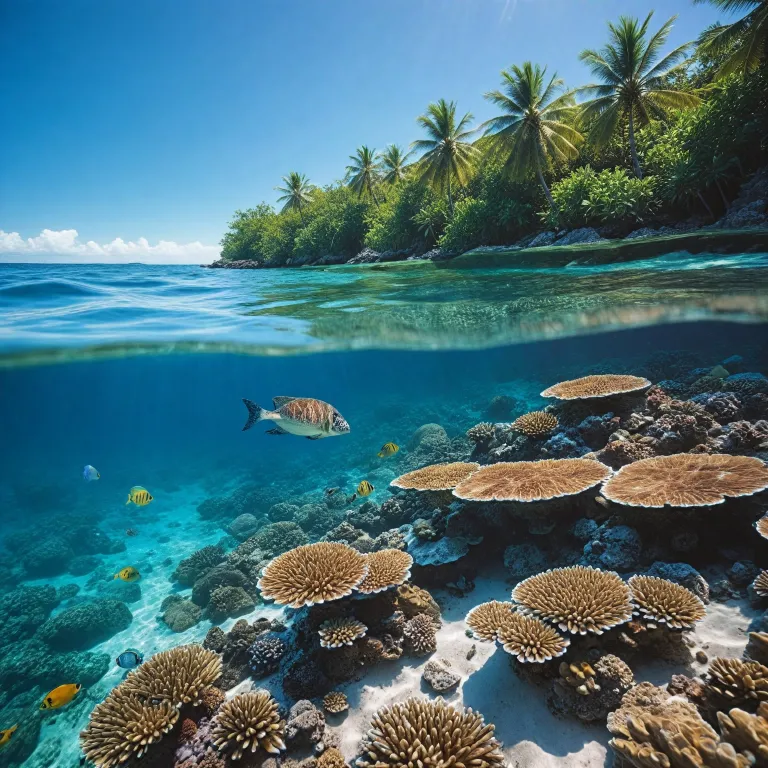
Exploring the world’s best places to snorkel: from coral gardens to blue lagoons
Snorkeling offers an immersive way to experience the vibrant marine life that thrives beneath the surface of the sea. Across the globe, the best places to snorkel are defined by their pristine coral reefs, abundant reef fish, and crystal-clear waters. Whether you seek the tranquil embrace of a secluded bay or the lively pulse of a bustling marine park, each destination promises a unique encounter with nature. The Caribbean islands are renowned for their exceptional snorkeling spots, with the coral reefs of Bonaire National Marine Park standing out as a premier example. This protected area is home to over 470 marine species, making it a haven for those passionate about marine life. The coral gardens here are teeming with colorful fish, sea turtles, and intricate coral formations, offering some of the best snorkeling in the region. For travelers seeking a blend of relaxation and adventure, a stay at a beach resort near these reefs provides easy access to the water and the comfort of modern amenities. Moving east, the Indian Ocean reveals its own treasures. The coral reefs surrounding the islands of French Polynesia are celebrated for their biodiversity and clarity, making them some of the best snorkeling spots worldwide. The blue lagoon of Bora Bora, for example, is famed for its turquoise waters and thriving marine life, including graceful sea turtles and vibrant reef fish. Each island offers a distinct snorkeling experience, from shallow coral gardens ideal for beginners to deeper reefs that attract seasoned snorkelers.Caribbean wonders: snorkeling spots that define marine travel
The Caribbean is a mosaic of islands, each offering its own take on the best places to snorkel. Grand Cayman’s coral reefs are legendary, with the barrier reef providing a sanctuary for marine life and a playground for snorkelers. The clear waters of the blue lagoon invite exploration, revealing schools of fish and intricate coral structures. Coki Point Beach in the U.S. Virgin Islands is another gem, where the proximity to Coral World Ocean Park ensures well-preserved reefs and abundant marine life. Trunk Bay, located within the Virgin Islands National Park, features an underwater snorkeling trail that guides visitors through a living tapestry of coral and fish. This innovative approach enhances the snorkeling experience, allowing even novices to appreciate the complexity of coral reefs and the diversity of marine life. The best snorkeling conditions can often be found in protected bays, where calm seas and healthy reefs create ideal environments for observing reef fish and sea turtles. For those seeking a more exclusive experience, private island resorts in the Caribbean offer direct access to untouched coral gardens and secluded snorkeling spots. These locations emphasize sustainable tourism and marine conservation, ensuring that the reefs remain vibrant for future generations. The allure of snorkeling Caribbean waters lies not only in the beauty of the reefs but also in the sense of discovery that comes with each swim. For more insights on Caribbean marine escapes, explore our guide to Caribbean snorkeling adventures.Pacific and Indian Ocean escapes: coral reefs and marine life in abundance
The Pacific and Indian Oceans are home to some of the best places to snorkel, with destinations like Palawan and Tofo Beach drawing enthusiasts from around the world. Palawan, situated in the heart of the Coral Triangle, boasts coral reefs that are among the most biodiverse on the planet. Snorkeling here reveals a kaleidoscope of marine life, from tiny reef fish darting among the corals to majestic sea turtles gliding through the water. The best snorkeling spots in Palawan are often found near protected marine parks, where conservation efforts ensure the health of the reefs and the abundance of marine life. Tofo Beach in Mozambique offers a different but equally captivating experience. The warm waters of the Indian Ocean are home to whale sharks, manta rays, and a vibrant array of reef fish. Snorkeling in this region is a year-round activity, with the best conditions typically found during the dry season. The coral gardens here are less crowded than those in more popular destinations, providing a sense of tranquility and connection with nature. French Polynesia’s islands, including Bora Bora and Moorea, are celebrated for their blue lagoons and thriving coral reefs. The clarity of the water allows for exceptional visibility, making it easy to observe the intricate details of the coral and the movements of reef fish. Many beach resorts in the region offer guided snorkeling tours, providing access to the best spots and ensuring a safe, educational experience. The combination of natural beauty and expert guidance makes these islands a top choice for both novice and experienced snorkelers.Barrier reefs and marine parks: protected havens for snorkeling enthusiasts
Barrier reefs and marine parks play a crucial role in preserving the world’s best places to snorkel. The barrier reef surrounding Roatán Island in Honduras stretches for 700 kilometers, making it the second largest in the world. This extensive reef system supports a rich diversity of marine life, from colorful reef fish to intricate coral formations. West Bay Beach, located on Roatán, offers easy access to the reef and is renowned for its clear waters and vibrant marine life. Bonaire National Marine Park is another exemplary destination, where strict conservation measures have resulted in some of the healthiest coral reefs in the Caribbean. Snorkelers here can expect to encounter a dazzling array of fish, sea turtles, and other marine creatures. The park’s commitment to sustainability ensures that the reefs remain a thriving habitat for future generations. As one expert notes, "Yes, many of these sites are part of marine protected areas with active conservation programs to preserve marine biodiversity." This dedication to conservation is echoed in marine parks around the world, from the Great Barrier Reef to smaller, lesser-known reserves. State parks and national parks also offer excellent snorkeling opportunities, often featuring underwater trails and interpretive markers that enhance the educational value of the experience. These protected areas are ideal for families and beginners, providing safe environments to learn about coral reefs and marine life. The integration of conservation and recreation makes marine parks essential destinations for anyone seeking the best snorkeling experiences.Essential tips for planning your snorkeling adventure
Preparation is key to making the most of your snorkeling trip, whether you are visiting a remote island or a popular beach resort. Researching the best time to visit each destination ensures optimal conditions for observing marine life and enjoying calm seas. For example, the best snorkeling in Palawan occurs from November to June, while West Bay Beach is ideal from March to June. Checking weather forecasts and sea conditions before your trip can help you avoid disappointment and ensure a safe experience. Equipping yourself with the right snorkeling gear is essential. Most destinations offer rentals, but bringing your own mask, snorkel, and fins can enhance comfort and fit. Wetsuits may be necessary in cooler waters or for extended snorkeling sessions. Guided tours are recommended for those new to snorkeling or unfamiliar with local conditions, as they provide safety, instruction, and access to the best spots. "Yes, most of these destinations have local dive shops or tour operators that offer snorkeling gear rentals," confirms a local expert. Respecting local regulations and marine life is crucial for preserving the health of coral reefs and ensuring sustainable tourism. Avoid touching or standing on coral, and use reef-safe sunscreen to minimize your impact. Many marine parks and resorts have guidelines in place to protect the environment, and following these rules contributes to the long-term health of the reefs.Unique snorkeling experiences: blue holes, underwater trails, and private islands
Some of the best places to snorkel offer experiences that go beyond traditional coral reefs. Andros Island in the Bahamas is famous for its blue holes, underwater sinkholes that provide a unique environment for marine life. Snorkeling in these formations offers a glimpse into a different world, where light and shadow create an otherworldly atmosphere. The island’s barrier reef, the third longest in the world, adds to its appeal, offering diverse snorkeling spots for all skill levels. Innovative underwater trails, such as those found in Trunk Bay and other national parks, guide snorkelers through carefully curated routes that highlight the most interesting features of the reef. These trails often include informational markers, enhancing the educational aspect of the experience. Private islands in the Caribbean and Indian Ocean offer exclusive access to untouched coral gardens and secluded bays, providing a sense of privacy and luxury. Staying at a beach resort on a private island allows guests to explore pristine reefs at their own pace, often with the guidance of experienced marine biologists. The diversity of snorkeling experiences available around the world ensures that there is something for everyone, from families seeking safe, shallow waters to adventurers eager to explore remote reefs. The best snorkeling spots combine natural beauty, accessibility, and a commitment to conservation, creating unforgettable memories for all who visit.Conservation and sustainable snorkeling: protecting coral reefs and marine life
Sustainable tourism is essential for preserving the best places to snorkel and the marine life that inhabits them. Coral reefs are delicate ecosystems, vulnerable to pollution, overfishing, and climate change. Many of the world’s top snorkeling destinations are located within marine parks or protected areas, where conservation efforts are actively underway. "Yes, many of these sites are part of marine protected areas with active conservation programs to preserve marine biodiversity," highlights the importance of these initiatives. Travelers can contribute to conservation by choosing eco-friendly resorts, participating in reef clean-up activities, and supporting local marine conservation organizations. Using reef-safe sunscreen, avoiding single-use plastics, and respecting wildlife are simple steps that make a significant difference. Guided snorkeling tours often include educational components, teaching visitors about the importance of coral reefs and the threats they face. The future of snorkeling depends on the collective efforts of travelers, local communities, and conservationists. By embracing sustainable practices and supporting marine parks, we can ensure that the best snorkeling spots remain vibrant and accessible for generations to come. The beauty and diversity of coral reefs, from the Caribbean to the Indian Ocean, are treasures worth protecting.Key statistics on the world’s best places to snorkel
- Bonaire National Marine Park is home to over 470 marine species.
- Molokini Crater welcomes approximately 300,000 visitors annually.
- The barrier reef surrounding Roatán Island extends for 700 kilometers.
Frequently asked questions about snorkeling and marine travel
What is the best time of year to snorkel in Palawan?
The best time to snorkel in Palawan is from November to June, when the weather is dry and the seas are calm.
Are there any age restrictions for snorkeling at these destinations?
Age restrictions vary by destination and tour operator; it's advisable to check with local providers for specific guidelines.
Do I need prior experience to snorkel at these locations?
Many of these destinations offer snorkeling opportunities suitable for beginners, but some sites may require prior experience due to currents or depth; always consult with local experts.