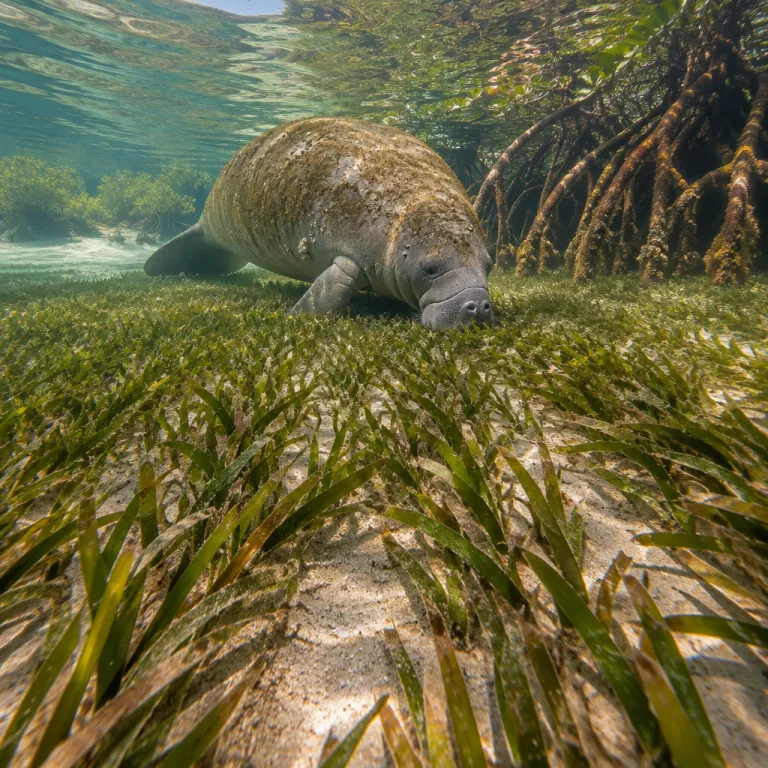
Why adopting a manatee belongs in a diver’s travel plan
For divers who love slow, graceful encounters, choosing to adopt a manatee aligns travel with tangible conservation. When you symbolically adopt a manatee through a reputable program, your support funds research, habitat protection, and care for rescued animals that you may later meet underwater. This connection deepens every Florida trip, because each park, spring, and state-protected lagoon becomes part of your extended marine family.
Many divers first meet manatees as a curious winter visitor gliding through clear blue water in a sheltered spring sanctuary. After that first encounter, they often decide to sponsor a specific animal they have seen, turning a fleeting moment into a long-term commitment that follows the same individual year after year. Knowing that your chosen adult male or female has been carefully cataloged by scars, tail shapes, or a deep dent in the body gives each return visit emotional weight.
Programs such as Save the Manatee Club’s adopt-a-manatee initiative allow you to choose individuals that frequent specific Florida sites. You might select a male that regularly uses Blue Spring State Park, or a calm female that prefers Homosassa Springs Wildlife State Park in the colder months. For divers planning repeat trips, this ability to focus on a familiar animal creates a narrative thread through multiple seasons and destinations.
From blue spring state park to homosassa springs: mapping ethical encounters
Central Florida offers some of the world’s most accessible manatee encounters, especially in and around Blue Spring State Park. In the colder winter months, hundreds of manatees gather in the constant-temperature spring, turning the clear channel into a living underwater avenue. As a diver or snorkeler, you must respect park rules that protect these gentle grazers, because every careless fin kick can stress a resting adult male or vulnerable calf.
Homosassa Springs Wildlife State Park provides a different perspective, combining natural spring habitats with care for rescued manatees that cannot be fully returned to the wild. Here, interpretive staff explain how each animal in their care has a story, from collision injuries to cold stress, and how adoption fees contribute to rehabilitation. When you support manatees associated with such facilities, you help ensure that rescued animals receive long-term treatment and that data from each documented individual informs broader conservation policy.
Photographers planning dolphin- and manatee-focused itineraries often pair these springs with offshore excursions for refined dolphin watching photography tips, using guidance from resources such as ethical marine wildlife photography advice. This combination of inland spring sanctuaries and coastal boat trips creates a balanced itinerary that respects both species’ needs. By integrating a stop at an adoption program office or visitor center into your route, you transform a simple park visit into a structured conservation experience.
How manatees shape seasonal dive itineraries in florida
Planning to adopt a manatee naturally leads you to think in seasons rather than single trips. In Florida, manatees concentrate in warm-water refuges during winter, then disperse along rivers and coasts when temperatures rise, which means your dive calendar should mirror their movements. A regular winter visit to Blue Spring State Park or Homosassa Springs lets you follow the same animals as they are counted and monitored by rangers.
Many of the most famous manatees in adoption programs were born in coastal areas during summer, then later became known as reliable winter visitors to a particular refuge. When you choose individuals for adoption, you often receive updates on where that adult male or female has been sighted, whether they have returned to their usual spring, and how their health is assessed each year. This information helps divers time their trips to coincide with peak aggregations, while still respecting closures when park staff shoo visitors away from sensitive zones to reduce disturbance.
Divers who also enjoy cetacean encounters can weave in ethical dolphin experiences, using guidance from resources such as immersive diving with dolphins. Manatees and dolphins share some coastal habitats, yet their behavior and stress thresholds differ, so itineraries must be tailored accordingly. By aligning your adoption choices with specific regions, you can design multi-day routes that respect both species while maximizing meaningful underwater time.
Inside an adoption program: what divers actually support
When you adopt a manatee through a recognized manatee club or similar organization, your fees do far more than provide a certificate. Adoption fees typically fund aerial surveys, on-water patrols, rescue operations, and long-term monitoring that keeps each animal recorded in the database. For divers, this means the serene creature drifting past your mask is part of a carefully managed conservation network rather than an unmanaged curiosity.
Many programs maintain detailed profiles for each adult male or female, including scars, tail notches, and unique features such as a deep dent in the back or fluke. These records allow researchers to confirm when a male has returned to a familiar spring, or when a female that was rescued and rehabilitated has successfully rejoined wild groups. As a supporter, you receive updates that connect your adoption to real fieldwork, turning abstract conservation into concrete stories.
Some initiatives, such as Save the Manatee Club’s manatee program, also invest in public education at every state park where manatees gather. Rangers explain why they sometimes need to gently shoo snorkelers away from resting animals, and how to choose manatee-friendly behaviors like passive observation and minimal movement. For divers who value ethical practice, understanding this program structure reinforces the decision to include adoptions as part of a responsible travel philosophy.
Designing a manatee centered dive route through florida
A thoughtful Florida itinerary for divers who plan to adopt a manatee usually starts with mapping key springs and coastal habitats. Blue Spring State Park, Homosassa Springs Wildlife State Park, and Crystal River’s network of springs each offer different water clarity, access rules, and chances to meet specific manatees from adoption rosters. By aligning your travel dates with known aggregation periods, you increase the likelihood of seeing the same individual highlighted in your adoption materials.
On site, always begin at the visitor center or ranger station to confirm current regulations, closures, and manatee counts for that day. Staff can often point out whether a particular adult male or female from the manatee club’s roster is present, such as a well-known male with a deep dent or a calm individual nicknamed Moo Shoo or Shoo Moo. These nicknames help divers remember which animals they have seen, and later make it easier to select future adoptions that reflect personal encounters.
Between manatee-focused days, many underwater photographers add macro dives on the Gulf Coast or Atlantic side, using resources such as macro in muck photography guides to refine their skills. This alternation between gentle spring snorkeling and more technical coastal dives keeps trips varied while still centered on conservation. Throughout, the guiding principle remains consistent; every park visit and every adoption choice should support long-term habitat protection for manatees and other marine life.
Ethical behavior around manatees for divers and snorkelers
Supporting an adoption program carries an implicit responsibility to behave impeccably around manatees in the water. In Florida’s springs and coastal zones, regulations typically require passive observation, no chasing, and no attempts to ride or corner any animal, regardless of how curious that adult male or calf may seem. Divers should maintain neutral buoyancy, keep fins away from the bottom, and allow manatees to control the distance of any interaction.
Many of the manatees you meet will be part of long-term monitoring projects, with each individual recognized by scars from boat strikes or entanglement, which is a sobering reminder of human impact. Some animals have been rescued, rehabilitated, and later returned to the wild, and their survival depends on minimizing additional stress from tourism. When you adopt a manatee that has such a history, you are directly funding the teams that respond to injured animals and track their recovery over each year.
Ethical operators will brief guests on how to respond if rangers need to shoo groups away from resting zones, and why certain areas of a state park may be closed during peak winter use. Choosing guides who support Save the Manatee Club or similar organizations ensures that your fees reinforce best practice rather than undermine it. For serious divers, this alignment between adoption choices, operator standards, and personal behavior is what turns a pleasant trip into a genuinely responsible marine travel experience.
Connecting manatee adoption with broader marine conservation
For many divers, the decision to adopt a manatee becomes a gateway to wider marine advocacy. Once you have followed a specific adult male or female through several seasons, tracking when they have returned to a favorite spring or shifted range, you start to see how water quality, boat traffic, and coastal development shape their lives. This perspective naturally extends to concern for seagrass beds, estuaries, and offshore reefs that support both manatees and the fish communities divers love.
Organizations that run a manatee program often collaborate with state and federal agencies on habitat restoration, slow-speed zones, and public education campaigns. Your adoption fees help fund signage, patrols, and research that benefit not only the manatees you have chosen, but also turtles, dolphins, and countless smaller species that share the same waters. In this way, to adopt manatee individuals is to invest in a broader network of protections that enhance every future dive in Florida and beyond.
As you plan new trips, consider pairing manatee-focused springs with reef systems or offshore banks where conservation initiatives are active, creating an itinerary that reflects your evolving values. Each year, reassess which manatee to choose for adoption, perhaps shifting from a well-known winter visitor at Blue Spring State Park to a newly rescued individual at Homosassa Springs that needs long-term support. Over time, your personal portfolio of adoptions becomes a narrative of commitment, linking specific names like Moo Shoo, Shoo Moo, or a distinctive deep-dent individual to real improvements in marine ecosystems.
Key figures on manatees, adoption, and florida travel
- According to the Florida Fish and Wildlife Conservation Commission, aerial surveys have estimated more than 7,000 manatees in Florida waters, a significant increase compared with counts from previous decades, which underscores how habitat protection and rescue programs can reverse declines. See the latest synoptic survey results at the FWC manatee population research page.
- Boat collisions remain a major threat; state data show that watercraft-related deaths regularly account for a substantial portion of annual manatee mortality, which is why slow-speed zones near springs and coastal habitats are critical for long-term survival. Detailed statistics are available in the FWC manatee mortality reports.
- Save the Manatee Club reports that symbolic adoption programs help fund rescue and rehabilitation efforts that can cost tens of thousands of dollars per severely injured manatee, covering transport, veterinary care, and extended rehabilitation before any possible release. Program information and financial overviews can be found on the Save the Manatee Club adoption page.
- Research published by the U.S. Geological Survey indicates that manatees can travel hundreds of kilometers between winter refuges and summer feeding grounds, which means that protecting only one park or spring is insufficient without broader coastal management. Migration and movement studies are summarized on the USGS Florida manatee research portal.
- Tourism studies from Visit Florida highlight that wildlife- and nature-based travel represents a significant share of visitor spending, suggesting that responsible manatee and dolphin encounters can generate economic incentives for conservation-focused management. For current figures, consult the research section of the Visit Florida tourism research hub.
FAQ: adopting a manatee and planning marine travel
How does adopting a manatee work for international travelers ?
International travelers can adopt a manatee online through recognized organizations, receiving digital or mailed packets with photos, biographies, and updates. The process is the same as for residents, and your adoption fees support research, rescue, and education in Florida regardless of where you live. When you later visit a spring or state park, you may be able to see your adopted individual if rangers confirm that the manatee is present.
Which florida springs are best for seeing adopted manatees ?
Blue Spring State Park, Homosassa Springs Wildlife State Park, and the Crystal River area are among the most reliable places to see manatees that appear in adoption rosters. These sites have clear water, established monitoring programs, and staff who can often identify individual animals by scars or tail shapes. Always check seasonal closures and follow park guidelines to ensure your visit remains low impact.
Can divers enter the water with manatees in every park ?
No, water access rules vary by site, and some springs allow only viewing from boardwalks or platforms to protect resting animals. In areas where in-water encounters are permitted, such as parts of Crystal River, strict regulations govern approach distances, group sizes, and behavior. Always confirm current rules with park staff or licensed operators before planning a dive or snorkel.
How much do manatee adoptions typically cost, and where does the money go ?
Symbolic adoption fees are usually modest, often comparable to the cost of a single guided dive, and can be paid annually. Funds support field research, rescue operations, rehabilitation, public education, and advocacy for protective regulations. Reputable organizations provide transparent breakdowns of how adoption revenue is allocated across these activities.
Is it better to adopt one manatee for many years or several different ones ?
Both approaches are valuable; following one individual over many seasons builds a strong personal connection, while adopting several spreads support across more animals and projects. Some divers maintain a long-term adoption of a favorite winter visitor, then add temporary adoptions of newly rescued individuals that need intensive care. The key is to choose a pattern that you can sustain financially and emotionally over time.
References
- Florida Fish and Wildlife Conservation Commission (FWC)
- U.S. Geological Survey (USGS)
- Save the Manatee Club