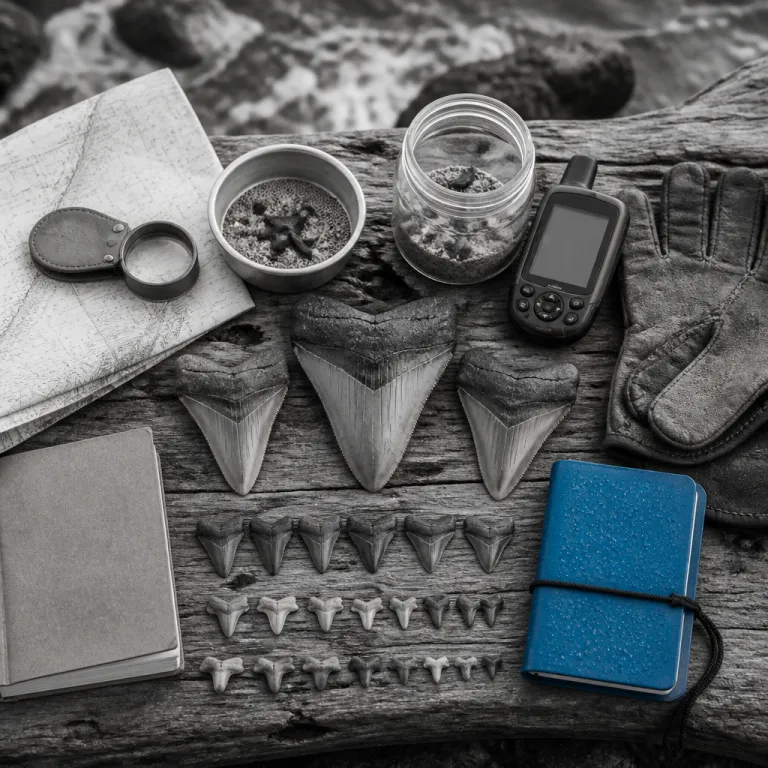
Planning a dive trip around where to find megalodon teeth
Many divers now plan entire itineraries around where to find megalodon teeth in wild, water-based environments. The most reliable locations combine accessible rivers, reasonably stable visibility, and a long geological record of fossil deposits. When you align your shark-focused travel plans with these factors, every immersion can reveal a fossil megalodon fragment that connects you directly to the ocean’s deep past.
Coastal Florida and the Carolina region are the two great hubs for any diver who wants to find both a megalodon tooth and living shark encounters on the same trip. In these areas, ancient marine sediments line the river banks, and tidal action constantly erodes layers that were laid down millions of years ago, pushing fresh fossils into reach. This mix of active erosion, relatively shallow water, and easy boat or kayak access makes fossil hunting efficient for visiting divers with limited days.
Before you travel, research local regulations about fossil hunting and collecting shark teeth, because some states require permits for removal from public riverbeds. For example, South Carolina issues a Hobby License for collecting vertebrate fossils from state waterways, and Florida has specific rules about vertebrate fossil collection on public lands. Responsible operators will brief you on how many teeth or fossils you may keep, and how to avoid damaging fragile layers that still hold authentic megalodon remains. A professional dive guide who understands both shark behavior and sediment structure will also help you find the most promising gravel bars, where the width and shape of each megalodon tooth stands out against lighter sand.
Florida’s rivers and coasts: classic routes to megalodon teeth
Florida is the most famous answer when divers ask where to find megalodon teeth in clear, manageable water. The state’s limestone platform preserves an extraordinary number of shark teeth and other fossils, and many rivers cut directly through these fossil-rich layers. For traveling divers, this means you can combine offshore shark dives with inland river expeditions that target both small shark tooth fragments and extra-large, collector-quality specimens.
The Peace River in southwest Florida is the best-known fossil hunting corridor for both snorkelers and shallow divers who want to find megalodon teeth in a relaxed setting. Common access points include public boat ramps near Arcadia and Zolfo Springs, where local outfitters stage guided trips. Here, you often sift through gravel in waist-deep water, feeling for the dense weight of a fossil megalodon tooth south of the main channels, while kayaks drift quietly overhead. Local guides provide screens, mesh bags, and coaching on how to distinguish modern shark teeth from ancient fossils that formed many years ago.
Offshore, Florida’s Gulf and Atlantic coasts host shark dives where you may see bull sharks and sandbar sharks that patrol wrecks, and in some winters, highly experienced operators report occasional great white sightings off northeast Florida and the mid-Atlantic. While you will not find megalodon shark fossils on these offshore reefs, many operators based in hubs such as Jupiter, Palm Beach, and Venice combine pelagic shark encounters with day trips to river systems, creating a balanced marine travel program. If you are also interested in broader marine life, study guides such as this overview of where to swim with whale sharks can help you compare seasonal shark encounters with your fossil hunting calendar.
South Carolina and North Carolina: blackwater diving for fossil megalodon
For more adventurous divers, South Carolina and North Carolina rivers offer some of the most productive blackwater sites for anyone asking where to find megalodon teeth in the United States. These rivers cut through ancient coastal plains, exposing layers that were once sea floor, where megalodon shark populations hunted marine mammals. Today, the same channels carry dark, tannin-stained water, and their beds hold countless shark teeth and other fossils that settled there many years ago.
In South Carolina, charter operators run specialized fossil hunting dives on rivers near Charleston and in the Lowcountry, including stretches of the Cooper, Edisto, and Wando Rivers, where visibility can be less than one metre. You descend along a line, settle on the bottom, and sweep your hands through gravel, feeling for the heavy, triangular shape of a megalodon tooth south of the main current. Many divers surface with both small shark tooth fragments and extra-large specimens whose width can exceed the palm of a large hand.
North Carolina adds offshore excitement, because its continental shelf hosts famous wrecks where sand tiger shark teeth litter the seabed. While these are not usually megalodon teeth, they provide context for how shark teeth accumulate over years, and why certain ledges become natural fossil traps. For a refined perspective on safe shark encounters in structured environments, resources such as this guide to responsible shark diving on the Great Barrier Reef illustrate best practices that also apply to Carolina shark dives.
Reading the river: how divers actually find megalodon teeth
Understanding how to read a river is essential when you want to know where to find megalodon teeth rather than just hoping for luck. Fossils concentrate where water slows down, such as behind bends, at the base of ledges, or in depressions where heavy objects settle. A megalodon tooth or other fossil megalodon fragment is far denser than shell material, so it tends to sink into coarse gravel while lighter debris washes away.
On site, divers scan the river bottom for patches of mixed shell, bone, and pebbles, because these zones often hold both small shark teeth and large, intact megalodon teeth. You work slowly, fanning away silt with one hand while the other hand feels for the distinctive enamel smoothness of a shark tooth, which contrasts with the rougher texture of surrounding rock. In blackwater, touch becomes more important than sight, and experienced fossil hunting guides teach you to recognize the subtle weight difference between ordinary stones and authentic megalodon fossils.
Many operators provide mesh bags or small baskets so you can keep your hands free while you search the riverbed. When you surface, you sort your finds, separating modern shark teeth from older fossils that formed many thousands or millions of years ago. Any specimen that appears to be of extra-large width or unusual color should be examined carefully, because it may qualify as collector quality and deserve careful storage for later evaluation.
From riverbed to collection: assessing quality, price, and authenticity
Once you have learned where to find megalodon teeth and have a few specimens in hand, the next step is understanding quality and value. Collectors assess each megalodon tooth by its width, height, enamel condition, root completeness, and whether the serrations remain sharp. A tooth with intact serrations, minimal damage, and extra-large dimensions will usually command a higher price than a smaller, heavily worn fossil.
When you visit a specialized fossil shop after your dives, you will see labels that describe each authentic megalodon specimen, often noting the river or coast where it was found. Many high-end pieces for teeth sale include display stands and a certificate of authenticity, which documents the origin and confirms that the fossil is not a modern replica. If you plan to buy rather than find every megalodon tooth yourself, compare how different shops explain provenance, because clear documentation builds trust.
Online platforms sometimes present megalodon teeth for sale with tempting photos and an easy add to cart button, but divers should approach these listings with the same care they use underwater. Look for sellers who specify whether the shark teeth came from Florida, South Carolina, or North Carolina rivers, and who state the exact width and weight. A transparent description that includes display details, geological context, and a certificate authenticity note is far more reliable than vague claims about a great megalodon shark specimen at a bargain price.
Ethical shark encounters and responsible fossil hunting travel
Planning a trip around where to find megalodon teeth naturally leads many divers to seek live shark encounters in the same regions. Ethical operators design itineraries that respect both modern shark populations and the fossil-rich river systems that record their ancestors. This means limiting group sizes, avoiding baiting practices that alter shark behavior, and following local rules about how many fossils or shark teeth each guest may remove.
In Florida and the Carolina coasts, you can often combine offshore shark dives with inland fossil hunting days, creating a narrative that links living great white or sand tiger sharks with ancient megalodon shark relatives. Between dives, study guides to regional marine life, such as this detailed article on Cozumel reef fish and Caribbean ecosystems, to deepen your understanding of how predator–prey relationships shape both modern reefs and the fossil record. When you view each megalodon tooth as part of a broader ecological story, your travel experience becomes richer than a simple hunt for objects.
Responsible fossil hunting also means leaving some fossils in place, especially when you encounter fragile bones or rare species that may hold scientific value. Many divers keep only a few collector-quality shark teeth and donate unusual finds to local museums or universities, ensuring that the story of these animals from many years ago remains accessible to researchers. By balancing personal collecting with conservation, you help protect both the rivers that yield fossils and the living sharks that still patrol nearby coasts.
Practical planning tips for megalodon focused dive expeditions
Turning your interest in where to find megalodon teeth into a concrete itinerary requires careful planning around seasons, water conditions, and logistics. In Florida, the dry season often brings lower river levels and clearer water, which improves visibility for both snorkelers and divers. South Carolina and North Carolina rivers can be more variable, so many fossil hunting charters schedule trips around stable weather windows and moderate currents.
Pack gear that suits both river and offshore environments, including a low-volume mask, sturdy gloves for handling rough fossils, and a mesh bag for shark teeth and other finds. A compact dive light is invaluable in tannin-stained water, where even a large megalodon tooth can hide beneath a thin layer of silt on the river bottom. For offshore shark dives, bring a thicker wetsuit or semi-dry suit, because water temperatures on deeper wrecks can be significantly cooler than in shallow rivers.
Finally, budget for both guided trips and potential purchases at a reputable fossil shop, where you might complement your own finds with a carefully curated authentic megalodon specimen. Many travelers allocate a specific cart value for any megalodon teeth for sale that meet their collector-quality standards, focusing on one or two extra-large pieces rather than many small fragments. This approach keeps your collection focused, highlights the great narrative behind each tooth south or north of your dive base, and respects the finite nature of these fossils formed so many years ago.
Key figures about megalodon teeth, sharks, and fossil travel
- Scientific estimates suggest that the megalodon shark reached lengths of roughly 14 to 18 metres, about three times the size of a large great white shark, based on scaling from fossil tooth width and height measurements reported by institutions such as the Smithsonian National Museum of Natural History.
- Individual megalodon teeth can exceed 18 centimetres in height, and specimens over 15 centimetres are considered extra large and rare, representing a small fraction of the total fossils recovered from Florida and Carolina river systems according to regional museum collections and published survey summaries.
- Sharks shed and replace thousands of teeth over their lifetimes, and some species may lose up to 35,000 shark teeth, which helps explain why riverbeds near ancient coastlines accumulate dense fossil deposits over millions of years as documented by marine paleontology studies.
- Tourism boards in Florida report that nature-based travel, including shark diving and fossil hunting, contributes hundreds of millions of dollars annually to coastal economies, illustrating how responsible marine travel can support local communities while promoting conservation.
- Conservation organizations such as the International Union for Conservation of Nature (IUCN) estimate that over one third of shark and ray species are threatened with extinction, which underscores the need to pair any interest in fossil megalodon teeth with support for modern shark protection initiatives.
FAQ about where to find megalodon teeth and shark focused travel
Where are the best places for divers to find megalodon teeth ?
The most reliable regions for divers to find megalodon teeth are Florida’s Peace River and other central and southwest Florida rivers, along with several blackwater rivers in South Carolina and North Carolina. These waterways cut through ancient marine sediments that preserve dense layers of shark teeth and other fossils. Offshore wrecks in North Carolina also hold abundant modern shark teeth, although megalodon fossils are more common in river systems.
Do I need special training to dive for megalodon teeth in rivers ?
You should hold at least an Open Water Diver certification and be comfortable with low-visibility conditions before attempting blackwater fossil hunting. Many operators recommend or require Advanced Open Water training for deeper or higher-current sites in South Carolina and North Carolina rivers. A guided introduction with an experienced fossil hunting instructor is strongly advised for your first dives.
How can I tell if a megalodon tooth is authentic and not a replica ?
Authentic megalodon teeth usually show mineralization, weight, and surface texture that differ from modern shark teeth or resin replicas. Reputable fossil dealers and shops provide a certificate of authenticity and often specify the exact river or region where the tooth was found. When in doubt, consult a museum or professional paleontologist, especially for extra-large or unusually well-preserved specimens.
Is it legal to keep megalodon teeth I find while diving ?
Regulations vary by state and country, so you must check local laws before collecting any fossils. In parts of Florida, recreational collectors may keep shark teeth found in riverbeds, while some areas restrict removal of vertebrate fossils without permits. South Carolina’s Hobby License program, for example, sets specific rules for collecting in state waterways. Responsible operators will brief you on current rules and help ensure that your fossil hunting remains legal and sustainable.
Can I combine shark diving with fossil hunting on the same trip ?
Yes, many divers design itineraries that include both offshore shark dives and inland fossil hunting days, especially in Florida and the Carolina coasts. Charter operators sometimes package river fossil trips with wreck or reef dives where you can see modern sharks such as sand tigers or, seasonally, great white sharks. This combination offers a powerful way to connect living shark ecosystems with the deep-time story told by megalodon teeth.
