Why the Thistlegorm remains the Red Sea’s benchmark wreck
The SS Thistlegorm is the wreck other wrecks quietly defer to. This British World War II cargo ship lies in the northern Red Sea, close to the tip of the Sinai near the famed Ras Mohammed national park, and it has become the reference point for wreck diving connoisseurs worldwide. For any pair of divers planning a marine focused trip, Thistlegorm wreck diving in the Red Sea often becomes the anchor around which the entire itinerary is built.
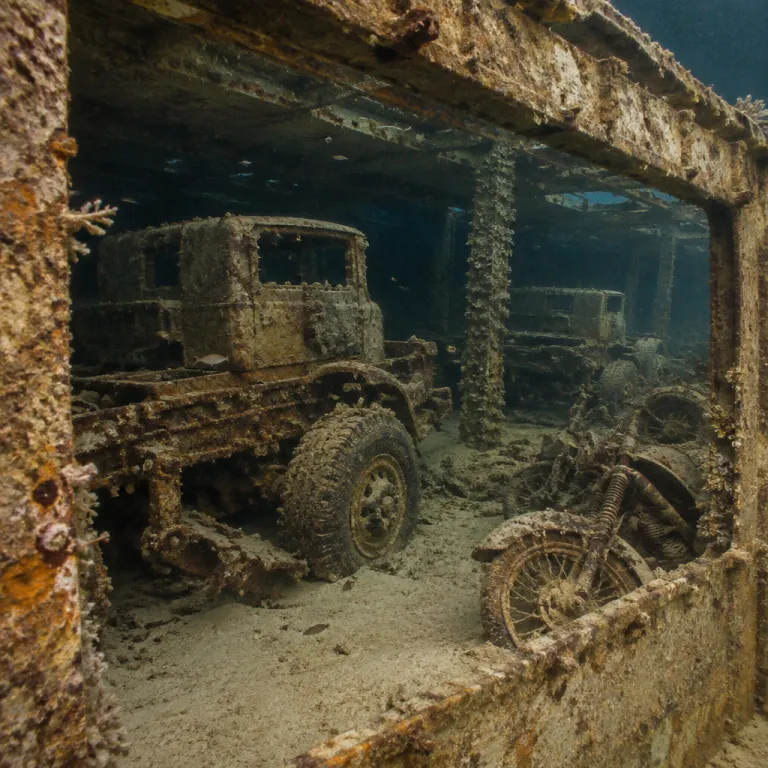
Part of the allure is how much of the ship’s wartime cargo still rests inside the flooded holds. Trucks, motorcycles, rifles and even steam locomotives sit in the cargo spaces as if the loading cranes stopped only yesterday, giving every dive on this wreck a sense of suspended time that few other dive sites can match. When you first swim through a visible hold and your torch sweeps across rows of intact motorcycles, the scale of this underwater museum makes most other wrecks feel strangely under furnished.
The Thistlegorm wreck lies between roughly 16 and 32 metres, which keeps it within reach of experienced open water divers while still rewarding those with advanced training. That depth range allows multiple dives over several days, with each route revealing a different facet of the ship, from the bow guns to the stern and the scattered steam locomotives on the sand. For divers used to reef focused scuba trips, this is often the first wreck where the line between marine life encounter and maritime history lesson truly blurs.
Reading the wreck: cargo, locomotives and the eerie holds
To understand why Thistlegorm wreck diving in the Red Sea feels so singular, you need to slow down inside the ship’s interior. The main cargo holds are stacked with Bedford trucks, BSA and Norton motorcycles, aircraft parts and crates of ammunition, all now softened by marine life and the filtered blue water that pours through torn hatchways. Each dive through these holds becomes a curated tour of wartime logistics, framed by soft corals and the occasional schooling snapper.
On one dive you might focus on the lower cargo holds, finning carefully above tyres and chassis while your guide points out rifles still lashed to truck walls. Another dive might trace the exterior of the wreck, where the blast damage from the bombs that sank the ship is visible, and where two steam locomotives lie separated from the hull like discarded toys on the seabed. This density of cargo means that even after several dives, divers still find new angles, new silhouettes and new ways to photograph the same motorcycles in the same visible hold.
If you have already sampled historic wrecks elsewhere, such as the shallow Spanish aviso off Jupiter Inlet described in many Jupiter Florida shipwreck features, the Thistlegorm still feels different. Here the combination of intact cargo, accessible depth and clear Red Sea water creates a three dimensional history lesson that remains unmatched among recreational wreck diving sites. Travellers who plan at least three dives on the Thistlegorm wreck usually leave with a far richer sense of the ship’s story than those who rush through a single circuit.
From Sharm day boats to liveaboard diving: how to structure your trip
Most travellers reach the Thistlegorm from Sharm El Sheikh, the Red Sea resort city that serves as the main hub for northern Sinai dive sites. Day boats depart in the early hours, often before dawn, for the several hour crossing to the wreck site, and they usually offer two dives on the Thistlegorm before returning via a shallow reef or Ras Mohammed national park stop. For visitors who prefer to sleep in a shore based room and keep evenings flexible, this Sharm El Sheikh model works well, though it can feel rushed on the wreck itself.
Liveaboard diving offers a different rhythm for Thistlegorm wreck diving in the Red Sea, and it is the option many experienced divers recommend for those who want to really know the ship. A diving liveaboard can moor overnight, allowing early morning and late afternoon dives when boat traffic is lighter and the water feels calmer, and many Red Sea liveaboard itineraries pair the Thistlegorm with Abu Nuhas and the reefs of Ras Mohammed. On a well planned liveaboard, you might log four or more dives on the Thistlegorm wreck, alternating between external tours and more advanced open water penetrations of the cargo holds.
Think of it the way serious history divers approach deep Roman wrecks in the Mediterranean, such as the amphora laden sites off Sicily that reward repeat visits. A single pass gives you headlines, but multiple dives let you read the fine print of the wreck, from the bow winches to the stern guns and the scattered steam locomotives. For those already comfortable with multi day scuba diving trips, a Red Sea liveaboard that includes both reef and wreck diving offers the most balanced and rewarding way to dive the Thistlegorm.
Conditions, skills and why this is an advanced level wreck
The Thistlegorm sits in open water, exposed to wind, current and the constant movement of dive boats, so this is not a beginner friendly dive site. Depths range from around 16 metres on the shallower parts of the wreck to more than 30 metres on the sand, which means that divers should be very comfortable with buoyancy, gas planning and no decompression limits before attempting any penetration. For most visiting teams, an advanced open water certification or equivalent experience is the sensible baseline for diving Thistlegorm safely.
Currents can be moderate to strong, especially on the surface and along the sides of the ship, and this affects both descent and ascent along the mooring lines. Inside the cargo holds, silt and rust particles hang in the water, so a careless fin kick can quickly reduce visibility and turn an evocative swim through into a stressful exit, particularly for less experienced divers. This is why many operators insist that divers complete at least one orientation dive on the exterior of the wreck before attempting any guided penetration of the holds.
From a training perspective, the Thistlegorm sits at the upper end of recreational wreck diving, and it rewards those who arrive prepared. Divers with wreck specialties, solid gas management habits and experience in overhead environments will find the interior routes more relaxed and enjoyable, while those with only basic open water training should stay outside and treat the ship as a monumental artificial reef. If in doubt, err on the conservative side and remember that the wreck will still be there for future dives when your skills have caught up.
Autumn light, October resonance and the rhythm of the Red Sea
The northern Red Sea has a long diving season, but the months leading into Oct often offer a particularly appealing balance of conditions. Water temperatures typically sit in the mid twenties Celsius, currents are manageable on most days and visibility can be excellent, which makes repeated dives on the Thistlegorm wreck less taxing on both body and mind. For travellers planning a romantic yet adventure focused trip, this shoulder period also tends to feel calmer on the surface than peak holiday weeks.
Diving the Thistlegorm around the anniversary of its sinking in early Oct adds a quiet layer of reflection to what might otherwise be just another great wreck dive. Many guides pause their briefings to note that this was a working cargo ship with a crew, not simply an underwater playground, and that the bombs which tore open the holds also ended lives. When you fin past the twisted metal near the blast area or hover above the scattered steam locomotives, that context can make the silence of the sea feel almost cathedral like.
Beyond the wreck itself, autumn is a rewarding time to combine Thistlegorm wreck diving in the Red Sea with other regional highlights. Ras Mohammed national park often delivers excellent marine life, from schooling barracuda to patrolling trevallies, while the reefs closer to Sharm El Sheikh offer colourful, shallower dives that contrast beautifully with the steel and shadow of the ship. If you are extending your trip across the region, this can also be a good season to explore more budget friendly Red Sea diving bases, such as those profiled in detailed Dahab on a shoestring style guides.
Etiquette, impact and folding the Thistlegorm into a wider itinerary
With an estimated 100000 dives logged on the Thistlegorm each year, pressure on the wreck is intense. Digital 3D monitoring by the Thistlegorm Project and partner universities has shown accelerated artefact loss and structural deterioration, much of it linked to contact, looting and careless mooring practices, according to their published survey reports. The Chamber of Diving & Water Sports now issues guidelines that urge operators to avoid tying directly to fragile parts of the hull, limit group sizes and prioritise external tours before any penetration, echoing broader Red Sea wreck diving recommendations.
As a visiting diver, your etiquette matters as much as your buoyancy, so treat the ship as an underwater cultural heritage site rather than a theme park. Do not remove artefacts, resist the temptation to rearrange cargo for photographs and keep your distance from the more delicate sections of the wreck, especially around the blast damaged areas and the upper decks. If your guide suggests a route that feels too tight or advanced for your comfort level, speak up early and choose a more open water friendly path around the exterior.
For those building a broader Red Sea itinerary, the Thistlegorm works best as one chapter in a longer narrative of wrecks and reefs. A classic loop might combine liveaboard diving on the Thistlegorm and Abu Nuhas with shore based days in Sharm El Sheikh, followed by a quieter week in Dahab or further south along the Egyptian coast. If you are already drawn to maritime history, you might later pair this experience with other heritage rich wrecks worldwide, using in depth Roman wreck case studies as a lens for understanding how different seas shape and preserve their ships.
Key figures for diving the Thistlegorm wreck
- The SS Thistlegorm is approximately 126.5 metres long, giving divers a substantial wreck to explore over several dives, and this length underpins why multiple routes and levels are needed to appreciate the full ship, as noted in technical descriptions reproduced by the Thistlegorm Project.
- The depth range for standard recreational dives on the Thistlegorm runs from about 16 to 32 metres, which places most of the wreck within advanced open water limits while still demanding careful gas and no decompression management, in line with typical Red Sea dive briefings.
- Guide estimates suggest around 100000 dives are conducted on the Thistlegorm each year, a level of visitation that makes strict adherence to wreck etiquette essential to slow ongoing deterioration, a concern echoed in monitoring summaries by the Thistlegorm Project.
- Water temperatures in the northern Red Sea typically range from roughly 22 to 28 °C across the main diving season, allowing comfortable exposure protection choices for repeated wreck and reef dives, as reflected in long term CDWS climate and conditions guidance.
FAQ: planning your Thistlegorm wreck dives
Is the SS Thistlegorm legal to dive in Egypt ?
Is SS Thistlegorm legal to dive? Yes; the site is open to recreational and technical divers through licensed Egyptian operators, with advanced wreck training and adherence to Egypt’s diving rules strongly recommended. While the wreck is not formally protected as an underwater cultural heritage site under UNESCO, the Chamber of Diving & Water Sports issues practical guidelines that reputable operators follow, and divers are expected to treat the ship and its cargo with respect, in line with CDWS and Thistlegorm Project recommendations.
How deep is the Thistlegorm wreck and who can dive it ?
How deep is the wreck? The shallowest deck sits at roughly 16 to 18 metres, while the deepest parts reach down to around 32 metres on the seabed, figures widely cited in Red Sea dive manuals and survey reports. This makes the site suitable for confident advanced open water divers and for experienced open water divers under close supervision, but true penetration of the holds should be reserved for those with specific wreck training and solid experience in overhead environments.
What can I see inside the cargo holds of the ship ?
What can I see inside the wreck? Motorcycles, trucks, locomotives, rifles, ammunition and aircraft parts. These items are arranged much as they were when the ship sank, though time, corrosion and diver traffic have shifted some pieces, and marine life now weaves through the cargo to create a striking blend of history and ecology documented in Thistlegorm Project photogrammetric surveys.
Is the Thistlegorm protected as a heritage site in the Red Sea ?
Is the site protected? No; WWII wrecks under 100 years old are not covered by Egypt’s UNESCO ratification, so the Thistlegorm does not yet fall under the full Underwater Cultural Heritage convention framework. That legal gap is one reason why scientific projects have focused on photogrammetric surveys and why responsible divers are urged to follow voluntary codes of conduct to minimise further damage, echoing UNESCO best practice language.
When is the best time of year to plan Thistlegorm dives ?
The best visibility and most comfortable water temperatures on the Thistlegorm usually occur between late spring and late autumn, with May to Oct often highlighted by local guides and CDWS seasonal overviews. Autumn in particular offers a compelling mix of stable conditions, slightly cooler air temperatures and the added resonance of diving the wreck around the anniversary of its sinking.
References
- UNESCO – Underwater Cultural Heritage conventions and guidelines for wreck preservation, including best practice for diver behaviour on historic sites.
- Chamber of Diving & Water Sports (CDWS), Egypt – safety and wreck diving recommendations for the Red Sea, plus seasonal condition summaries for northern Sinai.
- Thistlegorm Project – published photogrammetric survey reports and monitoring data for the SS Thistlegorm wreck, documenting artefact loss and structural change over time.