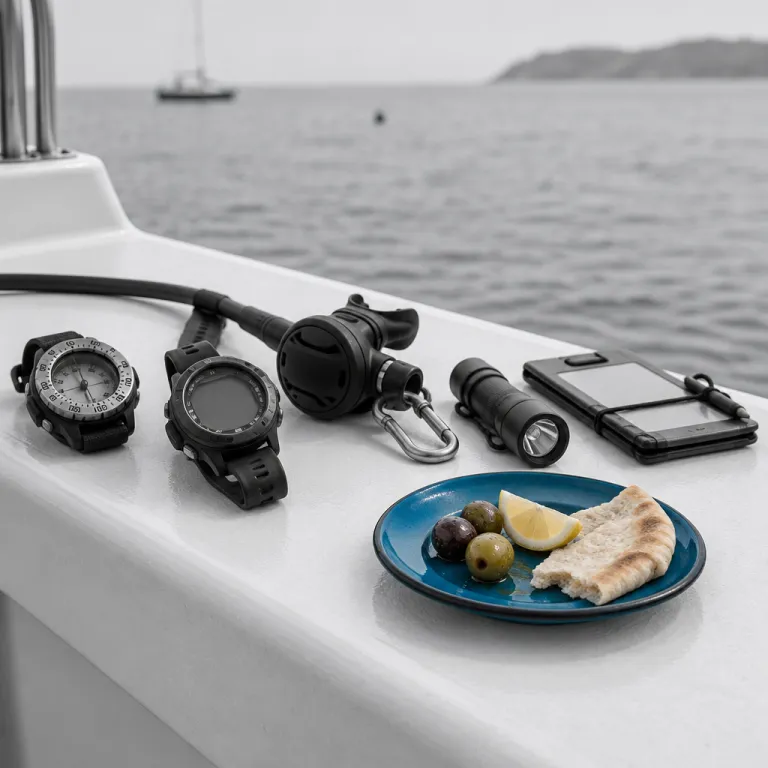
Why turkey’s turquoise coast suits divers who travel to eat
The stretch of coast Turkey markets as the turquoise coast is built for couples who plan their dives around the table. Along this Mediterranean shore the rhythm of the day is simple yet seductive, with a morning spent in the clear Mediterranean Sea and an afternoon lingering over plates of regional Turkish food in a harbour town. You come for turkey turquoise coast diving food and stay because every small town and ancient city along the water feels tuned to both appetite and immersion.
Think of the region as the softer edge of the Turkish Riviera, where the coast of Turkey folds into coves, low cliffs and pebble beach arcs. The sea here is usually calm and glassy, so scuba diving feels unhurried, with long, easy tours along walls and over ancient ruins rather than adrenaline chases after big pelagics. That slower pace suits couples who want to explore Turkey through taste as much as through depth, moving from one coastal city or town to the next by road or boat tour while keeping the focus on both the plate and the reef.
Unlike the Aegean islands, this part of coast Turkey offers a dense overlay of history, from Lycian tombs to a sunken city and Crusader era fortresses. You can visit ancient sites in the morning, then drop into the same bays by boat in the afternoon and fin past amphora fragments and old stone blocks. That blend of ancient and aquatic is the real luxury here, especially when you end the day with grilled fish, olive oil mezze and a cold glass of local white wine in a small city quay or village square.
Dive character from Kaş to Antalya: clear water, walls and wreck stories
Between Kaş and Antalya the Mediterranean shows its most cinematic side, with the Taurus Mountains dropping sharply into the sea. This topography creates steep walls, caverns and ledges that define much of the scuba diving, so turkey turquoise coast diving food trips here are about atmosphere and visibility rather than shark drama. Expect long, relaxed tours where your guide points out ancient ruins on the seabed and you surface to a boat already laying out a simple Turkish food spread for the surface interval.
Kaş itself is the archetypal dive town, a compact place where every second shop seems to be a dive centre or a café. You roll out early for a two tank boat tour, fin along the reef and sometimes over an aircraft wreck, then return by mid day for gözleme, grilled octopus and a cold drink in the shade. For couples, this balance of easy scuba diving and serious eating is the point, and it is why many consider Kaş the best place on the Turkish Riviera to explore both underwater sites and local cuisine in a single compact town.
Further east, Antalya is a full scale city with a historic core and a busy harbour, so the feel shifts from sleepy to urban. Here you can explore Turkey through its layered history, walking past Ottoman houses in the old town before heading out on a boat to visit ancient walls and scattered stones beneath the surface. When planning your travel window, the best time for this part of coast Turkey is the long warm season when the Mediterranean Sea settles, the water turns its signature turquoise and terrace restaurants stay open late into the evening.
Entry rules and border formalities for divers in other destinations offer a useful reminder to check your own documents and local regulations before you fly into Istanbul or Antalya.
Gulets, Kekova Island and the art of the floating lunch
Along this coast the traditional wooden gulet is more than a boat ; it is a way to live the trip. These broad beamed vessels move slowly along the turquoise coast, anchoring in quiet bays near Kekova Island, Simena Castle and other ancient city sites where you can slip over the side for a dive or snorkel before lunch. For many couples focused on turkey turquoise coast diving food, a few days on a gulet becomes the highlight, because the boat tour doubles as both dive platform and roaming restaurant.
In the Kekova area the sea covers a genuine sunken city, with old walls and harbour outlines visible just below the surface. Local regulations protect this archaeological zone, so scuba diving is restricted, but you can still fin along the edges or take a guided boat tour with a licensed tour guide who explains the history while you gaze down at the ruins. Respecting these rules is part of travelling well here, because the ancient ruins are fragile and the balance between tourism and preservation is delicate.
Lunch on a gulet is usually a quiet ritual built around Turkish food that tastes of the Mediterranean coast. Expect grilled fish caught that morning, aubergine salads, tomato rich stews and simple desserts, all eaten on deck while the boat swings gently at anchor. When you plan your own travel, consider the best time for a gulet segment as the shoulder months, when the Mediterranean Sea is still warm for scuba diving but the bays around Kekova Island and Simena Castle feel less crowded and the crew has more time to talk about their favourite coves.
For a deeper look at how boat based travel shapes local economies in other regions, read this analysis of the liveaboard boom and local dive guides before you book your own gulet charter.
From Bodrum Castle to Istanbul tables: culture between dives
Bodrum sits at the hinge between the Aegean and the Mediterranean, and it feels that way above and below the waterline. The town curls around a deep bay dominated by Bodrum Castle, a Crusader era fortress that now houses a museum of underwater archaeology with artefacts raised from wrecks along the coast of Turkey. Spending a day here between scuba diving trips connects the dots between the amphora shards you see on the seabed and the full story of trade routes that once defined this turquoise coast.
Offshore, the dive sites near Bodrum offer clear water, modest walls and the occasional wreck, with the Taurus Mountains visible in the distance on clear days. Many couples pair a few days of diving in the Bodrum and Kaş corridor with a city break in Istanbul, using the metropolis as both gateway and finale. In Istanbul you can explore Turkey through its markets and meyhanes, tasting refined versions of the same Turkish food you ate in small coastal towns while talking through your favourite dives and planning the next tour along the Mediterranean.
Local laws and customs matter here, especially around protected underwater sites and behaviour at mosques or ancient ruins on land. Dress modestly when you visit ancient temples or mosques, avoid touching artefacts underwater and follow your tour guide’s briefings about restricted zones near any sunken city or ancient city walls. When you understand these expectations, the whole trip feels smoother, and you can focus on the real reason you came to this stretch of the Turkish Riviera ; to let turkey turquoise coast diving food shape each day from first descent to last glass of raki.
For more context on how local professionals shape marine travel worldwide, this feature on women reshaping dive travel offers a useful lens before you choose your own dive équipe along the coast.
Planning a couple’s itinerary: pacing dives, meals and ancient sites
Designing a turkey turquoise coast diving food itinerary for two starts with an honest look at your priorities. If you want maximum time in the Mediterranean Sea with minimal transfers, base yourselves in Kaş or the Antalya Bodrum corridor and add a short gulet segment around Kekova Island. Couples who care as much about city life and museums as about scuba diving might instead split the trip between Istanbul, Bodrum and one smaller town on the Turkish Riviera.
Think in terms of rhythm rather than checklist, because the best time here is rarely the busiest. Plan no more than two dives per day, leaving afternoons free for long lunches, a visit to ancient ruins or a quiet beach hour before dinner. On non diving days you can visit ancient sites inland near the Taurus Mountains, wander through old town streets in a coastal city or take a slow boat tour purely for the pleasure of watching the coast Turkey slide by in shades of turquoise.
Local customs around alcohol, dress and public affection are generally relaxed in resort towns but more conservative in smaller inland communities. Pack light layers that cover shoulders and knees for visits to mosques or remote villages, and always ask before photographing people, especially in markets. Respect for these norms, and for the protected status of underwater archaeological zones, is part of travelling with care in Turkey, and it ensures that the next couple planning their own turkey turquoise coast diving food journey will find the same clear water, intact ruins and generous tables waiting for them.
FAQ
What is the best time for diving and food travel on Turkey’s turquoise coast ?
The best time for a turkey turquoise coast diving food trip is the long warm season when the Mediterranean Sea is calm, visibility is high and terrace restaurants operate daily. Water temperatures are comfortable for long dives, and markets in towns like Kaş, Bodrum and Antalya are in full swing. Shoulder months offer fewer crowds while still delivering warm sea conditions and excellent access to both scuba diving and Turkish food experiences.
Is the diving on the Turkish Riviera suitable for beginners ?
The Turkish Riviera around Kaş, Bodrum and Antalya is well suited to beginners because conditions are generally gentle, with light currents and good visibility. Many dive centres offer training dives on sheltered reefs and easy walls before progressing to deeper sites or wrecks. Couples can comfortably mix beginner level scuba diving with surface days spent on boat tours, beach visits and trips to ancient ruins.
Can I visit ancient ruins and dive the same day ?
It is entirely feasible to visit ancient sites and dive on the same day, especially around Kaş, Bodrum and Kekova Island. Many operators offer morning scuba diving followed by afternoon excursions to an ancient city, a sunken city viewpoint or a hilltop castle such as Simena Castle or Bodrum Castle. Always factor in surface intervals and avoid strenuous hikes immediately after deep dives, particularly in the heat along the coast of Turkey.
Are there specific local laws for diving near archaeological sites ?
Turkey enforces strict protections around underwater archaeological zones, especially near any sunken city or areas with dense ancient ruins. Diving may be limited to licensed operators, and in some places only snorkelling or glass bottom boat tours are allowed, as around parts of Kekova Island. Follow your tour guide’s instructions, never remove artefacts and respect no dive zones to help preserve this heritage.
How should couples balance a food focused trip with multiple dive days ?
Couples planning a turkey turquoise coast diving food itinerary should limit themselves to two dives per day and leave afternoons open for long meals and cultural visits. A typical rhythm is morning scuba diving, a harbour side lunch of fresh Turkish food, then a relaxed walk through a coastal town or a short tour to visit ancient sites. This pacing keeps energy levels high, respects safe diving practices and lets both the reef and the table remain central to the journey.