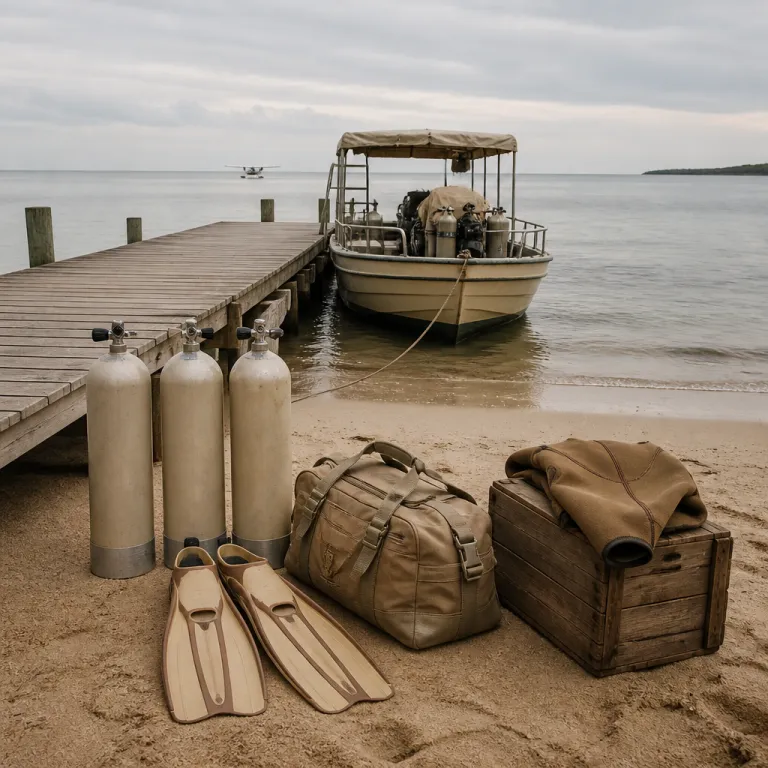
Why no fly time after diving exists in the first place
Every conversation about no fly time after diving starts with physics and physiology, not airline schedules. When you scuba dive, your body absorbs extra nitrogen from the breathing gas as you descend and stay at depth, and that nitrogen must leave slowly through your lungs once you return to the surface. If you rush into flying after a deep dive or a series of dives, the reduced cabin pressure at cruising altitude can turn that dissolved nitrogen into bubbles and sharply increase your risk of decompression sickness.
Commercial aircraft cabins are typically pressurized to the equivalent of 1 800 to 2 400 metres of altitude, which is significantly higher than sea level and therefore represents a meaningful pressure drop for divers. That change in altitude is exactly why every diver hears about a minimum surface interval before any flight, because the body needs hours after the last immersion to off-gas safely. The more aggressive your scuba diving profile, the more conservative your fly time should be, especially if you have done repetitive recreational diving over several days.
Decompression theory can sound abstract, but the practical takeaway is simple for any open water diver. Residual nitrogen load, combined with a rapid ascent to cabin altitude, is what drives the risk decompression curve upward after diving. You manage that risk by extending your preflight surface interval, watching for any dcs symptoms at the surface, and treating the published guidelines as a floor rather than a goal.
How long to wait before flying after a dive
For healthy recreational divers, the most widely cited guidance on no fly time after diving comes from Divers Alert Network (DAN). Their current consensus recommends a minimum preflight surface interval of 12 hours after a single no decompression dive, 18 hours after multiple dives in a day or multiple days of diving, and substantially longer than 18 hours after any decompression dives. Those numbers are designed for typical scuba profiles, not for technical expeditions or extreme altitude flights.
Think of those 12 to 18 hours after your last immersion as the absolute minimum wait hours, not an aspirational target to shave down. If you have spent a week on a liveaboard logging three or four dives per day, a full day at sea level with no scuba is a far more comfortable buffer before any long haul flight. Many experienced divers quietly extend their own fly time to 24 hours after diving, especially when they know a long series of connections or a high altitude airport lies between them and home.
Business leisure travellers often face tight turnarounds, particularly when a sailing adventure or quick day trip of scuba diving is tacked onto meetings. In those cases, the safest move is to schedule the last after dive session at least a full calendar day before your first flight, then use the extra surface intervals for slow packing, gear drying, and perhaps a coastal walk instead of another tank. If circumstances force a shorter preflight surface interval, drop the final dive entirely rather than compressing the no fly window.
For those planning complex itineraries that mix marine trips with other activities, pairing your dive days with flexible sailing adventures tailored for solo travellers or small groups can make scheduling easier; you can still enjoy the open ocean while your body clears nitrogen before flying. That approach keeps the spirit of the trip intact while respecting the physiology that governs decompression sickness risk. It also helps ensure that any subtle dcs symptoms have time to appear at the surface, where they can be recognised and treated, rather than mid flight.
Designing your last dive day around the flight home
Planning the final day of a dive holiday is where theory meets the airline app, and this is where many divers make avoidable mistakes. Start by anchoring your schedule around the first flight’s departure time, then work backwards to set a hard stop for all scuba diving and any after scuba activities. If your flight leaves at 14:00, for example, you want your last tank out of the water no later than 20:00 the previous day to respect an 18 hour no fly time after diving.
On a resort week in a place like Labuan Bajo, where day trip boats often return mid afternoon, that usually means skipping the final night dive and treating the last evening as a dry surface interval. Use that time to rinse and dry gear, settle bills, and enjoy a slow dinner rather than squeezing in one more dive that adds nitrogen and compresses your fly time buffer. If you are on a liveaboard, expect the crew to schedule only shallow morning dives on the final day, leaving a generous preflight surface window before disembarkation and transfer to the airport.
It helps to think in terms of surface intervals across the whole trip, not just the final hours after the last immersion. Repetitive dives over several days mean that residual nitrogen accumulates, so the effective risk decompression profile on the last day is shaped by the entire week, not only by a single after dive exposure. That is why many itineraries, such as a refined Costa Rica itinerary for divers and ocean lovers, deliberately build in a non diving day with rainforest or coastal excursions before the flight home.
When you sketch your schedule, mark any planned deep dives, such as walls or seamounts, earlier in the trip and keep the final day’s dives shallow and short. This strategy reduces decompression stress and makes any required surface intervals more forgiving if weather or boat delays push timings later. The goal is to arrive at the airport rested, hydrated, and with your nitrogen load already trending comfortably toward baseline.
Edge cases: connections, mountain roads and high altitude airports
Not every journey home is a simple hop from a coastal airport at sea level to a hub city, and those edge cases matter for no fly time after diving. Any significant change in altitude after diving, whether in an aircraft cabin or on a mountain road, increases the gradient that drives nitrogen out of solution and therefore raises the risk of decompression sickness. Divers who finish a day trip of scuba diving and then drive over a high pass to reach a distant airport are, physiologically speaking, doing a small version of flying after their dives.
If your route from a place like Labuan Bajo or a remote island involves a short domestic flight followed by a long haul segment, treat the first takeoff as the critical point for your preflight surface interval. The cabin altitude on a 40 minute hop can be similar to that on an intercontinental flight, so the same hours after diving guidance applies. When multiple flights stack up, the safest strategy is to extend the no fly time after diving to at least 24 hours and to avoid any decompression dives in the final 48 hours before departure.
High altitude destinations require even more care, because the effective pressure drop between the surface and the final sleeping altitude can be substantial. If you plan to dive at a coastal site and then travel inland to a city located well above sea level, build in a dry day between your last after scuba session and the ascent to that altitude. Watch for any dcs symptoms such as unusual joint pain, skin marbling, or neurological changes during that surface interval, and seek medical advice immediately if they appear.
Connecting flights can also complicate hydration and movement, both of which influence decompression outcomes. Long periods of sitting still, combined with low cabin humidity, can make sickness dcs more likely in a marginal case, so walk the aisle regularly and drink water rather than alcohol. Treat every ascent, whether by aircraft or road, as part of the same decompression profile that began the moment you left the water.
Practical booking strategies for business leisure divers
For the business traveller who adds recreational diving to a work trip, the calendar is often the real constraint on no fly time after diving. The smartest move is to schedule meetings at the front of the itinerary and reserve the final days for scuba diving, so that any overruns in the office do not eat into your essential surface intervals. When you book flights, choose a late morning or afternoon departure on the way home, which automatically extends the hours after your last immersion without sacrificing an extra night away.
In destinations like Labuan Bajo, where flights can be limited and day trip boats run on fixed schedules, it pays to map out the entire week before you confirm anything. If the only available flight home leaves at 09:00, you may need to end diving by early afternoon the previous day to maintain a safe preflight surface interval. That might mean skipping a final after dive opportunity, but it is a far better trade than compressing your fly time and flirting with decompression sickness.
Gear logistics also matter, especially if you rely on rental equipment and want to avoid last minute stress. Planning how to make scuba diving gear rental work for your next marine trip can free you from hauling heavy bags through airports, which in turn makes it easier to choose flights that respect your preferred no fly window. A lighter travel load also encourages you to walk more during layovers, which supports circulation and reduces the risk decompression profile during long journeys.
When plans change and you suddenly face a tighter than ideal gap between the last dive and the flight, the hierarchy of decisions is clear. First, shorten or cancel the final dive, particularly any deep or repetitive profiles, to reduce nitrogen load and extend surface intervals. Second, if the window still feels uncomfortably narrow, pay the change fee for a later flight rather than gambling on sickness dcs ruining both your health and your schedule.
Recognising symptoms and building a personal safety margin
Guidelines on no fly time after diving are written for populations, but you dive as an individual with your own physiology and risk tolerance. Age, fitness, hydration, previous injuries and even genetics can influence how your body handles nitrogen and decompression, which is why two divers can complete identical dives and experience very different outcomes. The most conservative approach is to treat the published hours after diving as a baseline and then add your own buffer, especially after intensive scuba trips.
Every diver should know the classic dcs symptoms, which can include joint pain, unusual fatigue, dizziness, numbness, weakness, or skin changes that appear during the surface interval or in the hours after a dive. If any of these emerge before flying after a dive trip, do not board the aircraft ; instead, contact local medical services or a diving emergency hotline and explain your recent dive history. Flying with active decompression sickness is dangerous, because the reduced cabin pressure can worsen symptoms and complicate treatment.
Building a personal rule set helps turn abstract risk decompression concepts into practical habits. You might decide that after any series of deep open water dives, you will always wait hours beyond the minimum, perhaps adopting a 24 hour fly time standard for yourself. You might also commit to a dry final day that includes light movement, good hydration, and attentive self monitoring at the surface, so that any subtle sickness dcs signs are noticed before you are strapped into an aircraft seat.
For frequent divers, keeping a detailed log of dives, surface intervals, and travel patterns can reveal how your body responds over time. If you ever experience even mild dcs symptoms, work with a dive medicine specialist to refine your personal guidelines on after diving behaviour and future flight planning. The aim is not to scare you away from ambitious itineraries, but to ensure that every flight home feels like a quiet decompression chapter, not a gamble.
Key figures on flying after diving
- Divers Alert Network recommends a minimum preflight surface interval of 12 hours after a single no decompression dive, which reflects typical nitrogen off gassing rates for healthy recreational divers.
- The same guidance extends to at least 18 hours after multiple dives in one day or multiple days of diving, acknowledging that repetitive profiles increase residual nitrogen and therefore decompression sickness risk.
- Commercial aircraft cabins are usually pressurized to the equivalent of 1 800 to 2 400 metres of altitude, which represents a significant pressure drop from sea level and is a key driver of bubble formation after diving.
- Studies cited by dive medicine organisations show that most cases of post flight sickness dcs occur when divers fly within 24 hours of their last dive, underscoring the value of a full day buffer.
- Field data from liveaboard operators indicate that scheduling the final dive at least 24 hours before disembarkation virtually eliminates reported dcs symptoms on subsequent flights among healthy guests.
FAQ about no fly time after diving
How long should I wait before flying after scuba diving?
For most recreational divers, you should wait at least 12 hours after a single no decompression dive and at least 18 hours after multiple dives in a day or several days of diving. Many experienced divers extend that to a full 24 hours, especially after intensive trips or deep profiles. Treat these numbers as minimums and add extra time if you have any concerns about your health or dive history.
Is it safe to fly after a shallow dive or snorkelling session?
Shallow dives still involve increased pressure and nitrogen absorption, so the same principles apply, although the risk is lower than for deep dives. If you have done any scuba diving, even shallow open water profiles, follow the standard no fly time after diving guidelines rather than assuming depth alone protects you. Pure snorkelling without breath hold dives below a few metres does not carry the same decompression concerns, but mixed days of snorkelling and scuba should be treated as dive days.
What if I feel dcs symptoms before my flight?
If you notice possible dcs symptoms such as joint pain, unusual fatigue, dizziness, numbness, or skin changes after diving, do not board your flight. Contact local emergency services or a diving medical hotline, explain your recent dive and surface interval history, and follow their instructions. Flying with active decompression sickness can worsen your condition and delay effective treatment.
Does driving over a mountain pass count like flying after diving?
Driving to high altitude after diving does create a similar, though usually smaller, reduction in ambient pressure compared with flying. If your route includes a significant mountain pass or a high altitude destination, build in a generous surface interval before the drive, ideally similar to your preflight surface interval. Avoid combining deep or repetitive dives with immediate high altitude travel whenever possible.
Should I cancel my last dive if my flight time changes?
If a schedule change shortens your no fly time after diving below recommended limits, the safest choice is to shorten or cancel the final dive. Reducing depth and bottom time helps, but nothing replaces adequate hours after the last immersion at the surface. Protecting your health is worth more than one extra entry in the logbook.