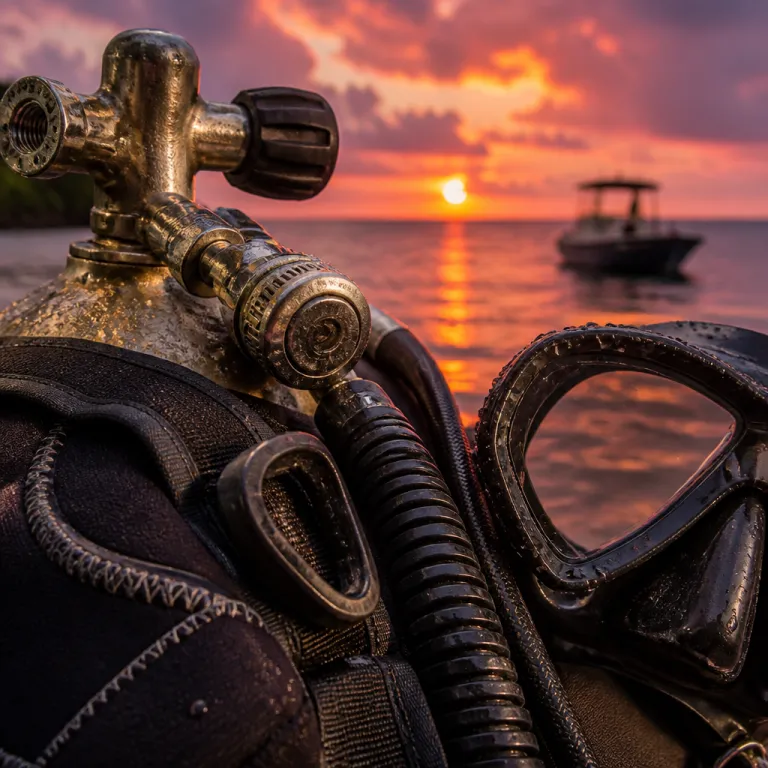
Why thoughtful scuba gear rental planning transforms your dive trip
Planning your scuba gear rental with care can turn an ordinary dive into a safe, relaxed underwater experience. When divers match their rental gear precisely to the diving conditions and their own skills, every scuba dive on the trip feels smoother and more controlled. A well prepared approach to rental equipment also protects your budget, your comfort, and your safety during each day in the water.
Many travelling divers do not want to fly with a full set of scuba equipment, so they rely on a local dive shop for rental gear that includes a tank, a regulator set, a BCD, a mask fins combination, and often a dive computer. A good scuba gear package for rentals should feel almost as familiar as your own equipment, which means you need time to adjust straps, test the regulator, and check the BCD inflator before the first scuba diving session. Treat the first shallow dive of the trip as a personal equipment check, and use that day to confirm that every piece of diving gear performs correctly.
Across major marine travel hubs in the United States, providers such as Scuba.com, Rowand's Reef Scuba Shop, Catalina Divers Supply, Force E Scuba Centers, Carolina Dive Center, Diventures, and Spectre Dive Boat illustrate how structured scuba rental services typically work. These operators usually provide clear rental rates for single day and multi day gear rentals, and they often allow you to reserve specific sizes of BCD regulator combinations or fins snorkel sets in advance. Because demand for scuba gear rental rises sharply during holiday periods, serious divers should contact the shop early, especially when planning a liveaboard trip or a remote open water expedition.
Matching scuba gear rental to destination, depth, and marine conditions
Choosing the right scuba gear rental starts with understanding where and how you will dive. A shallow reef dive in warm water requires very different rental equipment from a cold current swept wall, even if both are part of the same trip. When divers align their scuba equipment choices with water temperature, expected depth, and surface conditions, they reduce stress and improve air consumption.
Warm tropical destinations with easy access, such as island resorts or coastal training centres, usually stock light wetsuits, compact BCD designs, and simple regulator sets that suit recreational scuba diving. For more demanding marine travel, such as high latitude expeditions or mixed wildlife and diving journeys, you may need to confirm in advance that the shop can rent thicker exposure protection and a dive computer that handles air nitrox profiles. If you are combining a birding voyage in the Arctic with occasional scuba dive excursions, resources similar to specialised high latitude marine travel guides can help you judge whether local gear rentals will meet your needs.
Before you rent any scuba gear for deeper dives, verify that the dive computer is set to the correct algorithm and that the regulator delivers smoothly at the maximum depth planned for the day. Ask the shop about recent servicing dates for the BCD regulator assemblies, and check that the tank valve and O ring are in good condition before each scuba dive. For multi day diving, request the same model of rental gear throughout the trip, because consistent equipment helps divers maintain stable buoyancy and efficient emergency responses.
Evaluating dive shops, rental rates, and safety standards
Not all scuba gear rental operations follow the same maintenance standards, so careful evaluation of each dive shop is essential. A good provider treats every regulator, BCD, and tank as life support equipment, with documented servicing intervals and clear replacement policies for worn parts. When divers compare rental rates, they should weigh price against safety, reliability, and the quality of customer support during the trip.
Reputable operators such as Scuba.com, Rowand's Reef Scuba Shop, Catalina Divers Supply, Force E Scuba Centers, Carolina Dive Center, Diventures, and Spectre Dive Boat typically publish transparent pricing for full gear rental packages and individual rental gear items. Instead of relying on a single global benchmark, compare several local quotes for a complete scuba equipment set, including tank, regulator set, BCD, mask fins, and weights, and use that range as a realistic reference when assessing offers. As a broad example, many coastal shops in the United States charge roughly USD 40–70 per day for a full kit, while some Caribbean islands advertise packages around USD 30–60 and higher latitude destinations with thicker exposure suits may sit closer to USD 60–90. When planning a serious multi day scuba diving holiday, such as a liveaboard itinerary in remote archipelagos, it is worth paying slightly higher rental rates for newer diving gear and responsive technical support.
Before you rent, ask to see the servicing logs for the BCD regulator combinations and confirm that each dive computer has fresh batteries and accurate time settings. Industry guidance and manufacturer recommendations commonly suggest annual regulator servicing and cylinder visual inspections, with hydrostatic testing of tanks every three to five years depending on local regulations. In many regions, dive centres follow these schedules or agency guidance for annual inspections and cylinder testing, and a professional shop will explain how they comply with local rules. For complex trips that combine several destinations, such as a sequence of liveaboard journeys for experienced divers and marine travellers, consider bringing your own regulator and dive computer while relying on local gear rentals only for bulky items like tanks and weights.
Certification, training, and how your skills shape rental choices
Your level of diving certification should guide every decision about scuba gear rental, from the type of dive computer you use to the configuration of your regulator set. Newly qualified open water divers benefit from simple, intuitive rental gear that allows them to focus on buoyancy, trim, and basic navigation. More advanced divers, especially those with extensive diving training, may prefer rental equipment that mirrors their usual technical or travel configuration.
Most reputable shops require proof of scuba certification before they rent a full scuba gear package, and some also ask for recent logged dives that match the planned depth and conditions. If you are enrolling in a course during your trip, such as an advanced open water or a speciality focused on air nitrox, the training centre will usually provide appropriate scuba rental equipment that aligns with the course standards. When divers progress to higher levels of diving certification, they often choose to travel with personal regulators and dive computers while continuing to rent BCDs, tanks, and basic mask fins sets.
During any training day, treat the rental gear as part of the curriculum by practising emergency drills with the specific BCD regulator layout you are using. Confirm that the alternate air source on the regulator is easy to locate, and rehearse sharing air with your buddy while monitoring the dive computer together. If you plan to continue your diving training on future trips, keep detailed notes about which rental gear models felt comfortable and which shops offered the most attentive support, because this information will help you contact the right providers for later travel.
Practical checks, packing strategy, and integrating rental gear with personal equipment
Even when you rely heavily on scuba gear rental, bringing a small core of personal equipment can greatly improve comfort and hygiene. Many experienced divers travel with their own mask fins sets, a compact dive computer, and sometimes a lightweight BCD, then rent only the tank, weights, and possibly a regulator. This hybrid approach keeps luggage weight manageable while ensuring that the most sensitive contact points of your diving gear always feel familiar.
Before each dive day, perform a structured pre dive check that covers every piece of rental equipment and any personal scuba equipment you brought from home. Confirm that the tank is filled to the agreed pressure and, if you are using air nitrox, verify the mix with an analyser and set the dive computer accordingly. Inspect the BCD regulator assembly for leaks, test all dump valves, and make sure the fins snorkel combination fits securely so that nothing distracts you during the scuba dive.
A simple five step pre dive checklist for rental gear can help you stay consistent: (1) verify gas type, pressure, and tank valve operation; (2) breathe from both primary and alternate second stages while watching the pressure gauge; (3) inflate and deflate the BCD fully, checking all dump valves; (4) confirm mask, fins, and exposure suit fit and mobility; and (5) review dive computer mode, gas settings, and alarms with your buddy. Running through these points before every entry quickly becomes a habit that supports safer, calmer dives.
When planning what to pack for a dive trip that will rely on gear rentals, use a detailed travel checklist that goes beyond the obvious regulator and BCD items to include spares, accessories, and documentation. A practical list might cover a well fitting mask, comfortable fins, a compact cutting tool, a small save a dive kit with spare mask strap and mouthpiece, and a logbook or digital app for recording dives. Carry your certification cards, insurance details, and copies of recent medical clearances in a waterproof pouch, because many shops will ask to see them before they rent any scuba gear.
How to book, budget, and communicate with rental providers
Securing the right scuba gear rental starts long before you arrive at the destination, and clear communication with the shop is essential. Most major providers now offer online booking systems that allow divers to reserve specific sizes and models of rental gear for each day of the trip. Early reservations are especially important when you need multiple sets of diving gear for a group or when you require specialised items such as integrated weight BCDs or advanced dive computers.
When you contact a rental provider, share precise information about your diving certification level, recent experience, and any medical considerations that might affect equipment choice. Ask detailed questions about what is included in the standard scuba rental package, because some shops separate the tank and weights from the core scuba gear to create different rental rates. Clarify whether the quoted price covers single day or multi day rentals, and whether there are discounts for longer periods or for divers who are also booking guided scuba diving excursions.
Reliable operators will explain their policies on damage, late returns, and insurance, and they will outline how to reach staff if you encounter equipment issues during the trip. Many shops that specialise in rental equipment also offer optional services such as delivery to the harbour, onboard fitting sessions, or integration of rental gear with your own regulator set. One travelling diver, for example, reported that a Pacific liveaboard crew swapped out a sticky inflator hose between dives within minutes because the rental agreement clearly covered on board support; that kind of responsiveness can turn a potential problem into a minor pause in the day. By budgeting realistically for gear rentals and maintaining open communication with the provider, you ensure that the logistical side of the dive remains smooth, leaving you free to focus on the underwater experience.
Key figures and trends in scuba gear rental
- Typical daily prices for a full scuba gear rental package, including tank, regulator, BCD, wetsuit, mask fins, and weights, vary widely by region and season, so divers should compare several local operators rather than relying on a single global average.
- A large proportion of dive shops worldwide offer some form of rental equipment, which significantly lowers the barrier to entry for new divers who are not ready to purchase a complete set of scuba equipment.
- Many rental providers now operate year round with daily availability, allowing travelling divers to plan spontaneous scuba diving days without owning personal gear.
- Online reservation systems and, in some regions, delivery of rental gear to marinas or resorts have increased convenience and helped standardise rental rates across competitive destinations.
FAQ about scuba gear rental for travelling divers
What is usually included in a standard scuba gear rental package ?
A standard scuba gear rental package typically includes a tank, a regulator set, a BCD, a wetsuit, a mask fins combination, and weights. Some shops also include a basic dive computer, while others rent it separately as optional equipment. Always confirm the exact list of rental equipment before you book, so you know which personal items to bring.
Do I need certification to rent scuba gear for independent diving ?
Most reputable dive shops require proof of scuba certification before they rent a full set of scuba gear for unsupervised diving. If you are joining a guided scuba diving excursion, some operators allow non certified guests to participate using training level rental gear under close supervision. For independent dives, expect to show at least an open water certification card and sometimes recent logged dives.
Can I rent scuba gear for several days or an entire trip ?
Multi day scuba gear rental is common in popular destinations, and many shops offer reduced rental rates for longer periods. You can usually keep the same BCD, regulator, and dive computer throughout the trip, which improves familiarity and comfort. Clarify the daily schedule for tank exchanges and any security deposit requirements when you arrange the rentals.
Are there age restrictions or insurance requirements for scuba rentals ?
Age limits for scuba rental vary by country and operator, but many shops require divers to be at least 10 to 12 years old for junior programmes and older for independent gear rental. Some providers request proof of dive insurance or a refundable deposit, especially for high value items such as advanced dive computers or premium regulator sets. Always ask about these conditions when you first contact the shop, so there are no surprises on arrival.
How can I check that my rental gear is safe before a dive ?
Before every scuba dive, inspect the BCD for leaks, confirm that the regulator breathes smoothly, and verify that the tank valve and O ring are in good condition. Test the inflator and dump valves, ensure the mask fins and fins snorkel fit securely, and check that the dive computer displays the correct gas settings and time. If anything feels wrong, request a replacement immediately, because reliable rental equipment is essential for safe diving.