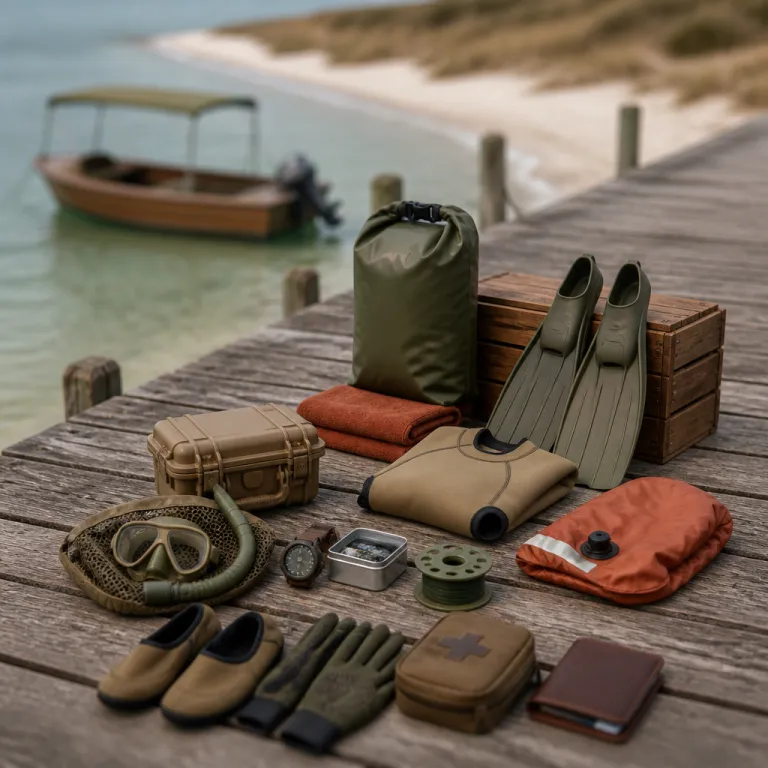
Dive trip packing list essentials for families and liveaboard travel
Every experienced diver eventually learns that the true dive trip packing list essentials start where your regulator and BCD end. A smooth scuba vacation, especially when you travel with family, depends on the quiet supporting cast of dive gear, personal items, and smartly chosen travel accessories that never appear in the glossy brochure. Whether your dive travel itinerary includes a liveaboard adventure in Fiji or a shore diving weekend closer to home, the right packing strategy can turn potential problems into non events.
Think of your luggage in tiers rather than one chaotic bag that you simply pack the night before the flight. Tier one covers the non negotiables you always carry in hand luggage for any dive trip, such as your mask, prescription lenses if you use them, and your primary dive computer with its charger and cable. Tier two includes comfort and fit critical dive gear like your wetsuit, booties, and snorkel, which you can technically rent from dive shops but will rarely match the familiarity of your own kit during repetitive dives.
Tier three is where this article lives, focusing on the overlooked items that save dives and protect your investment in the trip. A compact save dive kit with spare mask and fin straps, O rings, mouthpiece, zip ties, and a small tube of silicone grease weighs almost nothing yet can rescue multiple dives on a remote liveaboard dive itinerary. When you add a small hard case for electronics, a reef safe sunscreen stick, and a streamlined first aid kit tailored to scuba adventure travel, you create a packing list that respects both marine life and your budget.
What to own, what to rent: the personal gear tier system for families
For a premium family planning a multi stop dive trip, the smartest way to pack is to decide early which items you always own and which you confidently rent. Masks, snorkels, and fins sit firmly in the own category for both adults and children, because a well fitting set of dive gear dramatically improves comfort and reduces anxiety during the first dives of the vacation. Wetsuits also belong in this tier, especially for kids, since rental suits on a busy liveaboard or in high turnover dive shops rarely match the warmth and hygiene standards you want for younger divers.
Bulky equipment such as BCDs and standard regulators can often move into the rent tier when airline requirements and weight limits become restrictive. Many modern dive centres now stock travel friendly regulators designed for dive travel, with lighter first stages and compact second stages that still perform well on deeper scuba diving profiles. If you are planning an affordable dive travel itinerary with multiple destinations, study the rental options in advance and read a detailed guide such as this one on affordable dive trips and smart gear choices to decide where renting makes financial and logistical sense.
Electronics and safety tools belong in the always own category, particularly your primary dive computer, backup timing device, and compact dive knife with a blunt tip for entanglement scenarios. These items are part of your personal risk management strategy and should travel with you on every dive trip, whether you are joining a liveaboard dive expedition or a simple weekend adventure. When you pack for children, add kid sized rash guards, small masks, and snorkels to their own tier, because nothing derails a family scuba adventure faster than a leaking mask or a fin strap that fails on the first day.
- Always own: mask, snorkel, fins, wetsuit, dive computer, safety tools, kid specific gear.
- Usually rent: BCD, standard regulator set, large cylinders, lead weights.
- Decide case by case: cameras, specialty exposure protection, redundant regulators.
The save dive kit: small parts that rescue big adventures
A well built save dive kit is the quiet hero of many successful dive trips, especially when you are far from major dive shops. At minimum, this kit should include spare mask straps, fin straps, a selection of O rings, a replacement mouthpiece, several zip ties, and a small tube of silicone grease stored in a compact case that fits easily into any gear bag. These items weigh less than a paperback yet can keep both your dives and your children’s dives on track when something fails at the worst possible moment.
For liveaboard itineraries or remote coastal adventures such as a coastal odyssey along the Ring of Beara in Ireland, expand the save dive kit with a tiny multi tool, spare bolts for camera trays, and extra clips for securing hoses. Add a mini roll of duct tape, a short length of bungee cord, and a few stainless steel split rings, which can transform a broken strap or loose accessory into a workable solution in minutes. Pack these items in a bright pouch so you can carry the kit easily from cabin to dive deck, and make sure every family member knows where it lives.
To turn this into a combined emergency toolkit, include a compact first aid module that is tailored to scuba adventure travel rather than a generic pharmacy selection. Stock it with reef safe antiseptic, blister plasters for fin rub, antihistamines, motion sickness tablets, and a small supply of Pepto Bismol tablets for mild stomach upsets that might otherwise keep you off the boat. When you combine this medical kit with your mechanical save dive kit into one clearly labelled pouch, you create a robust, grab and go safety net that protects both your investment in the trip and your ability to enjoy the marine life you travelled so far to see.
- Typical save dive kit weight: around 300–500 g (about 0.7–1.1 lb) for straps, O rings, grease, and tools.
- Suggested quantities: two mask straps, two fin straps, six to eight assorted O rings, two mouthpieces, ten zip ties.
Electronics, chargers, and cases: protecting your digital dive brain
Modern dive travel revolves around electronics as much as neoprene, and your dive trip packing list essentials must reflect that reality. Current dive computers often feature Bluetooth or WiFi connectivity for log syncing, which means you need the correct charging cable, adapter, and sometimes a specific app installed on your phone or tablet before you leave home. A surprising number of divers arrive in Fiji or on a remote liveaboard dive itinerary with a fully charged computer but no way to recharge it after several days of repetitive dives.
Pack all electronics in a dedicated carry on case that never leaves your side, including your primary dive computer, backup computer or timer, underwater camera, strobes, and torch or video lights. Lithium batteries for torches and cameras usually must travel in hand luggage under airline requirements, so store them in individual protective sleeves and keep terminal ends covered. Many airlines cap lithium ion batteries at around 100 Wh per battery in carry on bags, and the International Air Transport Association (IATA) Dangerous Goods Regulations commonly reference a 100 Wh threshold for batteries carried by passengers, so check your specific carrier’s rules and keep any higher capacity packs within their stated limits.
Humidity and salt are relentless on a dive trip, so add silica gel or other desiccant packs to your electronics case and camera housing kit. Keep a soft microfiber cloth in the same bag to wipe O rings and screens, and always pack a small brush to remove sand before opening housings between dives. When you plan a longer scuba adventure with ten or more days of diving, consider a backup torch and spare batteries as part of your core packing list, because night dives and early morning entries are often where the most memorable marine life encounters happen.
Clothing, reef safe protection, and family surface interval comfort
Clothing for a dive trip should work as hard on deck as it does in the water, especially when you travel with children. Prioritise lightweight UV hoodies, long sleeve rash guards, and quick drying shorts that provide both comfort and reef safe sun protection during surface intervals. These items reduce your reliance on heavy sunscreen applications and help protect sensitive marine life from chemical exposure while keeping your family comfortable between dives.
Choose reef safe sunscreen that is clearly labelled as free from oxybenzone and octinoxate, and pack both lotion and stick formats for easier application on faces and around mask lines. Combine this with wide brimmed hats, polarised sunglasses, and lightweight sarongs or wraps that can double as towels or privacy screens on a busy liveaboard deck. For children, bring at least two rash guards each so that one can dry while the other is in use, and consider full length leggings for extra warmth on windy days.
Surface interval comfort also depends on the small personal items that rarely appear on a standard packing list but make a significant difference on a family scuba adventure. Pack a compact dry bag for each person to carry towels, snacks, and spare layers on the boat, and include simple entertainment such as waterproof playing cards or a small travel game for longer surface intervals. When you add these thoughtful items to your dive trip packing list essentials, you create a more relaxed rhythm on board and give everyone space to enjoy the scenery and marine life without feeling exposed to sun or boredom.
Packing strategy, airline requirements, and what to carry on
A refined packing strategy matters as much as the gear itself when you plan a complex dive trip with multiple flights. Start by checking airline requirements for both checked and carry on baggage, paying close attention to weight limits and any special rules for sports equipment or lithium batteries. Use a digital luggage scale at home and aim to leave a small buffer below the maximum allowance, because airport scales and regional carriers can be less forgiving than major international airlines.
Carry your most critical dive gear in hand luggage, including mask, prescription inserts, dive computer, logbook, and any medication or personal items you cannot easily replace at destination dive shops. Pack these in a compact backpack or roller bag with a clear internal layout so that security checks are quick and you can access documents without exposing delicate equipment. Label every bag, case, and kit with your name, email, and local contact number, and place a printed copy of your itinerary inside each checked bag in case external tags are lost.
For checked luggage, use a sturdy dive bag with wheels and internal compression straps to keep gear stable during transit, and place heavier items such as fins and wetsuits near the wheels for better balance. Protect regulators and sensitive accessories in padded cases even when they travel inside a larger bag, and avoid leaving loose items that can shift and damage other equipment. When you plan extended dive travel or a liveaboard dive itinerary, consider a modular system with one main gear bag and a smaller day bag that can serve as your boat kit once you arrive, simplifying daily packing and unpacking.
Health, safety, and insurance: the often forgotten essentials
Health and safety planning should sit alongside gear choices when you build your dive trip packing list essentials, particularly for family travel. A tailored first aid kit that includes blister care, reef safe antiseptic, motion sickness tablets, and Pepto Bismol for mild digestive issues can keep minor problems from escalating into missed dives. Add any prescription medication in original packaging, plus copies of relevant medical documents, and carry these in your hand luggage rather than checked bags.
Specialist dive insurance is another non negotiable item for serious dive travel, whether you are joining a liveaboard dive expedition or a resort based scuba adventure. Organisations such as Divers Alert Network provide both safety resources and insurance products, and you can compare coverage details in depth using a guide to dive insurance compared with general travel policies. When you pack printed copies of your policy, emergency contact numbers, and certification cards in a waterproof wallet, you make it easier for local dive shops and medical providers to assist you quickly if something goes wrong.
Pre trip planning should also include a digital packing list or app based checklist, which reflects a growing trend towards using technology to reduce forgotten items and equipment issues. Divers Alert Network has noted in its incident discussions that equipment problems linked to missing or poorly maintained gear appear regularly in case reports, and simple checklists significantly reduce that risk. As one widely shared guidance summarises common questions, "Mask, snorkel, and dive computer are often forgotten." "Should I bring my own wetsuit?" "Yes, for better fit and comfort." "Is a dive computer necessary?" "Yes, it's essential for monitoring dive profiles." When you integrate these reminders into your packing routine, you protect both your family’s safety and the quality of your time with marine life.
Key figures for smarter dive trip packing
- Divers Alert Network has reported in its safety communications that a measurable proportion of divers experience equipment related issues linked to forgotten or poorly prepared items, which underlines the value of a structured packing list and save dive kit for every trip. For the most current statistics, consult the latest DAN Annual Diving Report, available from the Divers Alert Network publications page.
- Industry observations show a steady increase in the use of digital packing apps among frequent travellers, reflecting a broader move towards checklists that sync across devices and help families coordinate shared gear and personal items.
- Rental of bulky equipment such as BCDs and standard regulators continues to rise at many destinations, as more divers prioritise lightweight travel gear and reserve luggage weight for personal items, electronics, and safety equipment.
- Extended dive travel itineraries of ten days or more are becoming more common among experienced divers, which makes modular packing systems and careful airline requirement checks increasingly important for avoiding excess baggage fees.
FAQ: practical questions about dive trip packing list essentials
What should always go in my carry on for a dive trip ?
Always carry your mask, dive computer, certification cards, essential medication, and any prescription lenses in your hand luggage, because these items are difficult or impossible to replace quickly at destination dive shops. Add chargers for your dive computer and key electronics, plus a compact save dive kit with spare straps and O rings. If your checked bag is delayed, you can still rent core gear and join dives safely with these essentials.
Is it better to rent or bring my own wetsuit for dive travel ?
Bringing your own wetsuit usually offers better fit, warmth, and hygiene, which is especially important for children and for divers who feel the cold easily. Rental wetsuits can work for occasional dives, but sizes and thicknesses may be limited, particularly on busy liveaboard itineraries or in remote locations. If luggage space is tight, consider a thinner full suit and a separate hooded vest that can layer for extra warmth.
How can I keep my dive electronics safe during flights and boat transfers ?
Pack all dive electronics, including computers, cameras, and torches, in a padded carry on case with individual compartments and desiccant packs to manage humidity. Keep lithium batteries in hand luggage in protective sleeves, following airline requirements for terminals and maximum capacities. On boats, store the case in a dry area away from direct sun and rinse tanks, and always dry your hands before handling housings or opening battery compartments.
What medical and health items are most useful on a dive trip ?
A compact first aid kit tailored to diving should include blister plasters, reef safe antiseptic, pain relief, antihistamines, motion sickness tablets, and a small supply of Pepto Bismol for mild stomach upsets. Add any prescription medication in sufficient quantity for the entire trip plus a few extra days, and carry copies of relevant medical notes. Include reef safe sunscreen, lip balm with SPF, and after sun lotion to manage sun exposure during surface intervals.
How far in advance should I start my dive trip packing and planning ?
Begin planning your dive trip packing list at least two weeks before departure, which gives you time to service gear, order missing items, and check airline requirements. Use a digital checklist that you can update as you pack, and schedule a full gear function test several days before you travel. For family trips or liveaboard itineraries, start even earlier so that you can adjust sizes for children and coordinate shared equipment across multiple bags.