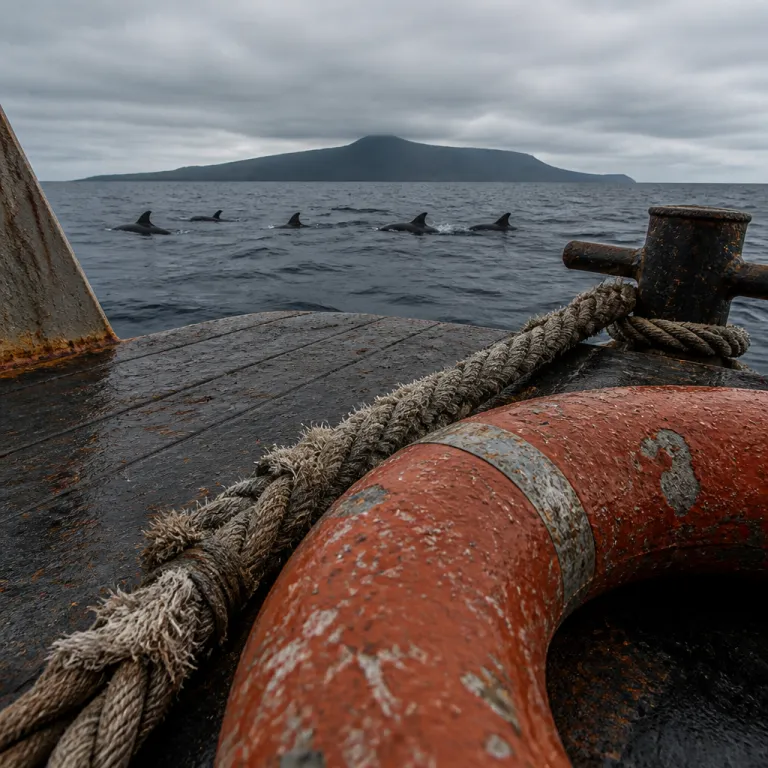
The Azores triangle and why pelagic addicts are finally paying attention
Azores diving pelagic encounters sit at a rare crossroads of access, drama, and genuine wildness. This mid Atlantic archipelago offers a triangle of islands where every dive and every day can pivot from calm coastal reefs to blue water drifts with sharks and manta rays. For European couples used to the Mediterranean or the Caribbean, the Azores feel like a colder water frontier that still fits into a normal holiday.
The triangle works because each island brings a different layer of marine life and topography to your diving. Santa Maria, Faial, and Pico form a loose route where you can move between reef dives, offshore seamounts, and deep channels that funnel pelagic species. When you plan azores diving pelagic encounters around this three island strategy, you trade quantity of dives for quality of encounters and a better use of every time you dive.
The Azores themselves are volcanic peaks rising from deep Atlantic basins, and that geology shapes every scuba diving day. Steep walls, lava arches, and submerged cones create natural cleaning stations and current swept corners where blue sharks and manta rays appear without warning. Water temperatures hover around 20–24 °C in the main pelagic season, so this is cold water diving by tropical standards, but it rewards divers who are willing to wear a thicker suit for the best encounters.
The three island strategy: Santa Maria, Faial, and Pico
Think of Santa Maria as your warm up, Faial as your blue shark base, and Pico as the wild card for whales and seamounts. On Santa Maria, most dives start closer to shore, with boat rides of 10–25 minutes to lava reefs and sheltered dive sites that suit mixed experience levels. Here, azores diving pelagic encounters often begin with sea turtles cruising over boulder fields, then escalate when a school of mobulas sweeps in from the blue.
Santa Maria also positions you for day trips to offshore banks where manta rays and, occasionally, whale sharks patrol the thermocline. Local dive operators usually run one long offshore scuba diving excursion and one shorter coastal dive per day, which keeps the pace relaxed for couples balancing underwater time with slow evenings on the island. English is widely spoken at every serious dive center, and most guides hold PADI or equivalent professional ratings, which helps if one partner is less experienced and wants a more structured time to dive.
Faial and Pico sit facing each other across a narrow channel, and together they form the core of what many call the pico faial pelagic corridor. From Faial, azores dive boats head into deep blue water for blue sharks, while Pico focuses on sperm whale watching and access to seamounts like Princess Alice. For travelers who enjoy Scandinavian style small ship journeys, this inter island hopping has a similar exploratory feel to Scandinavian cruises on small ships for divers and marine travelers, but with Atlantic sharks instead of fjord walls.
Seasonality, water conditions, and how pelagic encounters really work
The best time for azores diving pelagic encounters runs from June to October, when Atlantic weather stabilises and warm currents push nutrient rich water around the islands. Operators and tourism officials agree that “June to October offers warm waters and best pelagic encounters.” During this June October window, surface water temperatures typically reach around 24 °C and visibility can stretch to 30–40 metres on offshore dives.
Early season, from June into mid July, often brings slightly cooler water but fewer crowds and very clean blue water around the seamounts. By late July and August, the season peaks, with more reliable blue sharks around Faial, higher chances of manta rays at Princess Alice, and an uptick in plankton that can attract whale sharks in some years. September into October usually offers calmer seas, softer light for photography, and a more relaxed pace on the boats, which suits couples who prefer longer trips over rushed long weekends.
Blue shark diving from Faial is typically run as an open ocean drift, with the boat moored in deep water and a controlled chum slick drawing sharks up from the depths. The chumming debate is taken seriously here, and responsible dive operators limit bait, keep group sizes small, and brief every diver carefully on positioning and behaviour. Safety protocols are strict, with guides in the water throughout the dives, clear rules about staying near the boat, and a conservative time to dive that balances long encounters with avoiding cold stress in temperate water, much like the cautious approach used on cold current cruises along the Saint Lawrence Seaway.
What makes Azorean diving different: topography, currents, and logistics
Azores diving pelagic encounters feel different from Mediterranean or Caribbean trips because the islands sit on a migration highway rather than a lagoon. Volcanic topography means many dive sites drop from shallow shelves into blue water within a few fin kicks, so you are always one current shift away from a passing school of tuna or a squadron of manta rays. Thermoclines can be sharp, with a clear layer of warmer blue water over cooler greenish depths, and that layering often marks the zone where marine life concentrates.
Currents are part of the story, not a nuisance, and experienced dive operators time dives around them instead of fighting them. On Princess Alice seamount, for example, you may spend the entire scuba dive hovering in mid water, clipped to a line above the plateau while manta rays and mobulas circle in the blue. This is not the static reef touring of many Caribbean holidays ; it is more akin to the dynamic, current driven dives that Red Sea veterans know from walls and offshore pinnacles, as we have detailed in our guide to Red Sea visibility and solitude in June.
For European travelers, logistics are refreshingly straightforward, with direct flights from Lisbon to São Miguel, Faial, Pico, and Santa Maria. From São Miguel, short inter island flights or ferries connect you to the rest of the triangle, and most serious azores dive centers can help coordinate transfers and accommodation. Boat sizes vary from small RIBs to comfortable hard hull vessels, but the common thread is a focus on marine life rather than onboard frills, which suits couples who value encounters over amenities.
Designing a 7–10 day Azores triangle itinerary for couples
A well balanced azores diving pelagic encounters itinerary for a couple usually runs seven to ten days, with at least two islands and ideally all three. One elegant pattern is to start on São Miguel for a gentle entry into Azorean culture, then move to Faial for blue sharks and finish on Pico or Santa Maria for seamounts and relaxed reef dives. This pacing allows non diving days to become part of the experience rather than a forced pause between dives.
On São Miguel, you can mix a few easy scuba dives with volcanic hot springs, crater lakes, and evenings in small restaurants where fresh fish dominates the menu. Faial then becomes your pelagic hub, with two or three days focused on blue sharks and offshore blue water, plus a visit to the caldera and the Capelinhos volcanic landscape on a rest day. Pico adds whale watching, vineyards planted in black lava fields, and the option of sperm whale encounters from the boat, which keeps non divers or less keen partners engaged while the other heads out with a PADI guide for more advanced diving azores style.
Santa Maria works beautifully as either a starting point or a soft landing at the end of the trip, thanks to its calmer dive sites and slower island rhythm. Here, azores dive operators often schedule one long offshore excursion to banks where manta rays and sea turtles gather, followed by a shorter second dive closer to shore. For couples used to warm water destinations, this cold water adjacent triangle offers a similar sense of escape to high latitude voyages, such as Scandinavian small ship cruises, but with the added thrill of blue sharks and, on the right day, whale sharks gliding up from the deep.
Practical tips, safety, and choosing the right dive center
Planning azores diving pelagic encounters starts with choosing the right dive center on each island, because local knowledge is everything here. Look for operations on Faial, Pico, Santa Maria, and São Miguel that limit group sizes, brief in clear English, and show a track record of safe blue water dives. A good azores dive operator will be honest about conditions, cancel when Atlantic weather turns, and suggest alternative dive sites closer to shore when offshore banks are blown out.
Certification level matters more than in many tropical destinations, and most centers require at least Advanced Open Water or equivalent plus recent experience in temperate water. If one partner is less experienced, consider a PADI continuing education course early in the trip, then build toward more demanding dives like Princess Alice or the Faial blue shark runs. Booking in advance is essential in the main season, and you should always check weather forecasts, confirm equipment needs, and ensure your insurance covers offshore pelagic diving.
Non diving days are not a compromise in the Azores ; they are part of the appeal, especially for couples or mixed groups. Whale watching trips from Pico and Faial, vineyard tours, coastal hikes, and thermal baths on São Miguel all turn surface intervals into memorable experiences rather than dead time. In a world where many warm water hotspots feel crowded and over marketed, this Atlantic triangle remains Europe’s best kept open secret for pelagic encounters, rewarding those who stay longer, travel slower, and measure their trip not in the number of dives, but in the quality of the marine life they share.
FAQ
What is the best time to dive in the Azores for pelagics ?
The best time for pelagic focused scuba diving in the Azores is from June to October, when water temperatures reach around 20–24 °C and offshore conditions stabilise. During this period, blue sharks are more reliably seen around Faial, manta rays gather at seamounts like Princess Alice, and overall marine life activity increases. Outside this window, some diving azores sites remain accessible, but pelagic encounters are less predictable.
What marine life can I expect on Azores pelagic dives ?
On well planned azores diving pelagic encounters you can expect blue sharks, various mobula rays, and, in the right conditions, manta rays at offshore banks. Sea turtles are common on coastal dives, and tuna, barracuda, and jacks often appear in the blue around seamounts. Whale sharks are occasional visitors in warm years, while sperm whales and other cetaceans are more often seen from the boat during surface intervals or dedicated whale watching trips.
Do I need advanced certification for Azores pelagic diving ?
Most reputable dive operators in the Azores require at least Advanced Open Water or equivalent for offshore pelagic dives, especially at Princess Alice and the Faial blue shark sites. Strong buoyancy control, comfort in mid water without a visual reference, and experience in cooler water are all important. Less experienced divers can still enjoy sheltered reef dives and may complete PADI training on site before attempting more demanding offshore dives.
How does Azorean diving compare to the Mediterranean or Caribbean ?
Azorean diving differs from the Mediterranean and Caribbean through its volcanic topography, cooler water, and focus on pelagic species rather than purely coral reef scenery. Many dive sites drop quickly into deep blue water, with currents and thermoclines playing a central role in how marine life appears. For divers who value big animal encounters and dramatic seamounts over easy, shallow reef tours, the Azores often feel more rewarding.
Are the Azores suitable for non divers or mixed groups ?
The Azores work very well for mixed groups, because non diving activities are varied and close to the main islands. Whale watching, hiking, vineyard visits, and volcanic hot springs on São Miguel and Pico provide full days of interest while divers head offshore. This balance makes the azores diving pelagic encounters triangle particularly appealing for couples where only one partner dives or where dive days need to be alternated with relaxed surface time.