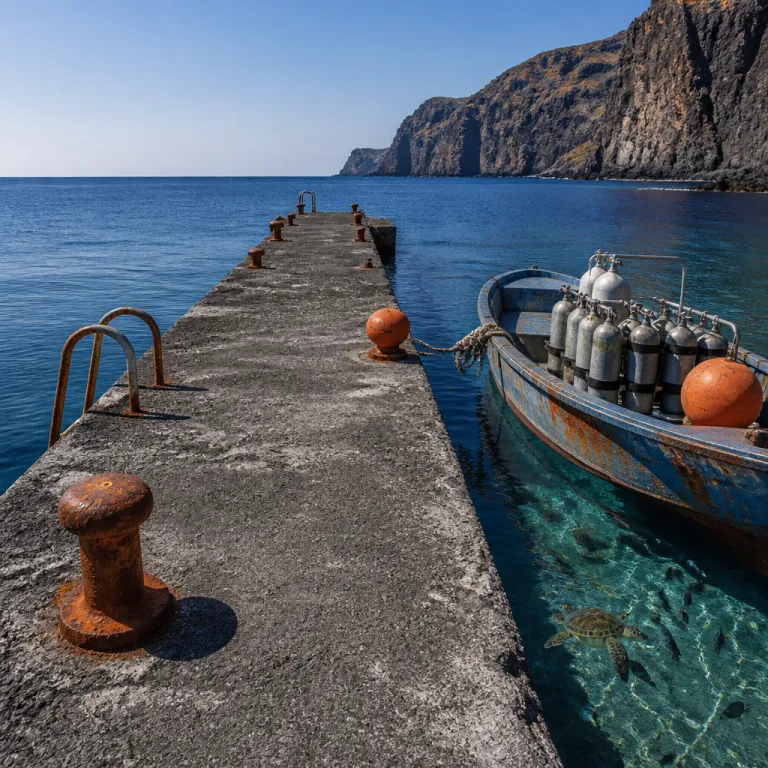
Reading the summer map: where surface crowds meet clear water
Peak school holidays rarely align with the best diving conditions underwater. For families planning the best diving july august 2026, the real question is where water, light, and marine life all peak together while the boats still feel half empty. That means looking beyond generic high season labels and reading water temperature charts, plankton cycles, and local tourism statistics with the same care you give to your scuba gear.
Travel trends data already show a sharp rise in interest for San Juan, Sint Maarten, and Aruba, driven by travelers chasing clear weather and cultural encounters rather than only classic scuba diving packages. As one tourism analyst put it, "San Juan, Sint Maarten, and Aruba are trending." Those Caribbean islands can work for a relaxed family dive, yet hurricane risk in july and august nudges serious reef and reefs enthusiasts toward destinations where conditions are more predictable and the marine calendar is kinder.
For the best scuba experiences in this period, think in terms of ocean basins rather than countries and match each basin to your family’s comfort with currents, sharks, and remote islands. The Pacific delivers big animal encounters and cooler but stable water temperatures, while the Indian Ocean balances warm water with reliable manta rays and whale sharks. Temperate regions from Norway to British Columbia reward advanced divers with giant kelp forests, sharks, and octopus, especially when you time your trip for long daylight hours and the most forgiving water temperature ranges.
Indian Ocean and Pacific tropics: when summer means peak pelagics
In the Indian Ocean, the southern Maldives quietly offers some of the best diving july august 2026 for families who want serious encounters without the atoll party scene. Around these islands, channels funnel plankton rich water that draws manta rays and whale sharks, while reef sharks patrol the outer reef and marine life crowds every ledge. If you time your dives with local guides who understand tides and water temperatures, you can enjoy manta cleaning stations that feel almost private even in high travel season.
For readers comparing atolls, a detailed guide such as the one on Maldives manta encounters, timing, and channels helps you choose between family friendly island resorts and liveaboards that chase the best scuba conditions. Many itineraries now focus on southern islands where diver density stays low, yet marine life remains intense year round. Here, water temperature usually sits in the high twenties Celsius, which suits both new divers and advanced divers who want long bottom times without a drysuit.
Across the Pacific, Fiji, French Polynesia, and the Philippines each offer a different rhythm for diving july and august. Fiji’s soft coral reef systems glow when currents run, attracting reef sharks and clouds of fish, while outer islands in French Polynesia such as Rangiroa and Fakarava deliver passes filled with sharks and manta rays that thrill advanced divers but can still be managed by confident intermediates. In the Philippines, select island groups maintain calm water and comfortable water temperatures through this time of year, making them ideal for families who want easy dive sites, strong marine life, and reliable logistics between islands.
Big animal circuits: Galápagos, Cocos, Socorro, and beyond
For families with older teenagers and experienced parents, the eastern Pacific is where the best diving july august 2026 becomes a true expedition. The Galapagos Islands, Cocos Island, and the Socorro Islands form a triangle of remote dive sites where sharks, manta rays, and whale sharks dominate the conversation. These islands demand comfort with currents, cooler water, and liveaboard routines, but they repay that effort with marine life density that resets your definition of a good dive.
The Galapagos and wider Galapagos Islands region are famous for schooling hammerhead sharks, yet july and august also bring cooler water temperatures that suit penguins, sea lions, and baitfish. Around Cocos Island, advanced divers drop into blue water where reef sharks, silky sharks, and the occasional whale shark cruise through thermoclines that can shift water temperature by several degrees in a single dive. The Socorro Islands, sometimes called the Mexican Galapagos, are manta rays territory, with cleaning stations where giant Pacific mantas circle close enough for eye contact while dolphins and sharks move in the background.
Families who prefer a more measured entry into big animal diving can look to curated experiences such as the family focused Blue Hole and Belize itineraries, then step up to Galapagos or Papua Guinea once everyone is confident. Papua Guinea and nearby archipelagos combine rich reef systems with fewer boats, so you share dive sites with reef sharks and swirling fish rather than other groups. These regions are not year round playgrounds for beginners, yet in this part of the year they offer some of the best scuba diving july and august for travelers who value encounters and space over nightlife.
Temperate wild cards, Red Sea classics, and how to actually book
Not every family wants tropical heat, and some of the best diving july august 2026 sits in temperate water where visibility spikes in summer. Norway, Iceland, and British Columbia offer kelp forests, wrecks, and cold water marine life that reward advanced divers with drysuit skills. If you are curious about these regions, a primer such as cold water destinations that reward the bold explains why water temperatures in the single digits can still feel comfortable with the right equipment.
Closer to classic holiday routes, the Red Sea remains a reliable option for families balancing culture, comfort, and reef health. Northern itineraries combine shallow reef dive sites with wrecks, while southern routes focus on offshore reefs where reef sharks, dolphins, and occasional manta rays appear in clear blue water. Water temperature usually sits in the mid twenties Celsius at this time of year, which suits long dives for both new divers and photographers chasing marine life on the great barrier style drop offs of Egypt and Sudan.
When it comes to booking, extended itineraries and combination trips now outperform short stays, especially for long haul destinations such as Fiji, Raja Ampat, French Polynesia, and Papua Guinea. Liveaboard operators in regions like the Maldives, Galapagos, Cocos Island, and the Socorro Islands often release last minute cabins for july and august, but the best cabins for families go first, so work with travel agencies and local guides who understand both water temperatures and school calendars. To avoid crowds, consider islands where high season on land overlaps with shoulder season underwater, and remember that some Caribbean islands, while popular this year for general tourism, may offer quieter boats and flexible pricing for scuba diving during hurricane season.
FAQ
Where are the best destinations for family diving in july and august?
For families planning scuba diving in july and august, the southern Maldives, selected islands in Fiji, and parts of the Philippines balance warm water, reliable marine life, and solid logistics. These islands offer a mix of gentle reef dive sites for new divers and more advanced channels or walls for experienced parents. If you prefer temperate water, Norway and British Columbia provide excellent summer visibility for advanced divers comfortable in drysuits.
How do water temperatures affect where I should dive in peak summer?
Water temperature shapes both comfort and marine life behavior, so it should guide your choice of destination for the best diving july august 2026. Warm water regions such as the Maldives, Red Sea, and many Pacific islands sit in the mid to high twenties Celsius, which suits most families without thick exposure suits. Cooler destinations like Galapagos, Cocos Island, and Norway require thicker wetsuits or drysuits, but those lower water temperatures often bring sharks, whales, and other pelagics closer to the surface.
Are Galapagos and Cocos suitable for less experienced divers?
The Galapagos Islands and Cocos Island are generally better for advanced divers who are confident in currents, variable visibility, and blue water ascents. Many operators require a minimum number of logged dives and recent experience in similar conditions before accepting bookings. Families with newer divers might start with easier reef environments in Fiji, French Polynesia, or the Red Sea, then progress to Galapagos or Socorro Islands once skills and comfort improve.
How can I avoid crowds while still enjoying peak marine life?
To find space underwater during peak travel months, look for destinations where high season on land does not match peak marine life, or where diver numbers remain low by design. Southern atolls in the Maldives, remote islands in French Polynesia, and less visited areas of Papua Guinea and Raja Ampat often have fewer boats even when flights are busy. Research off peak departure dates, consider longer itineraries that reach distant reefs, and work with local guides who know which dive sites stay quiet at different times of the year.
What should I consider when booking a liveaboard for july or august?
When booking a liveaboard for diving july and august, check not only cabin availability but also the specific route, expected water temperatures, and whether the itinerary suits your family’s experience level. Regions such as the Maldives, Galapagos, Socorro Islands, and Red Sea often release last minute cabins, yet the best family friendly layouts sell out early. Confirm safety standards, dive guide ratios, and whether the trip focuses on advanced dive sites with strong currents or a mix of easier reefs and marine life rich walls.