How bonaire shore diving became the Caribbean’s drive and dive blueprint
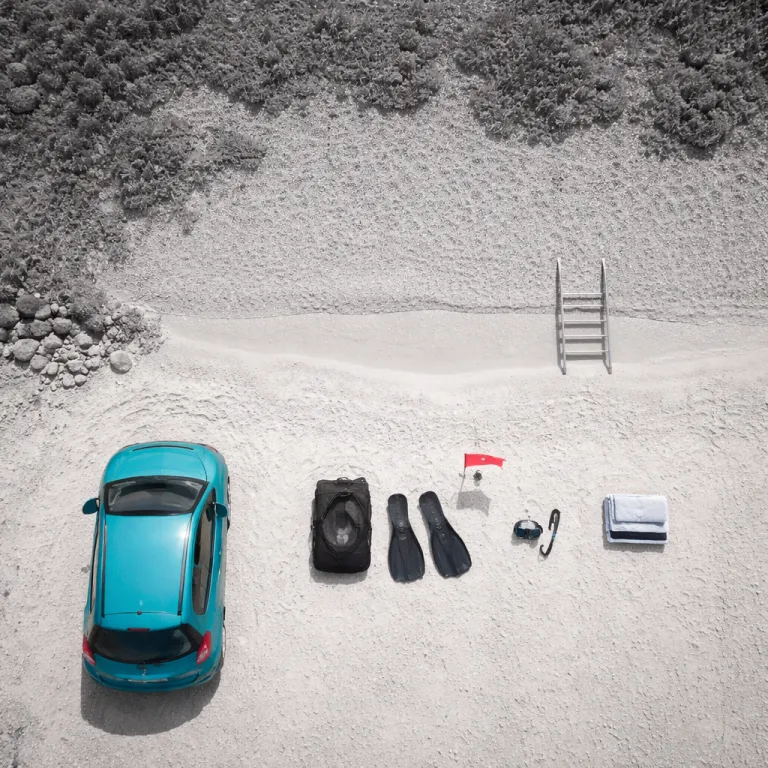
Bonaire shore diving is less a packaged product and more a quiet ritual. On this small island the entire leeward coast is treated as one long accessible reef, with yellow painted stones marking official dive sites from Kralendijk up to the wild edge of Washington Slagbaai National Park. You load the truck, pick a site, and walk from crushed coral shore into clear water that stays around 28 degrees Celsius.
The model works because diving Bonaire removes the boat from the cost equation, which is usually the most expensive line on a tropical reef holiday. Local dive resort operators bundle a pickup truck, unlimited air or nitrox, and basic accommodation into weeklong drive and dive packages that can sit under 500 dollars per person when shared by a family. As of early 2024, sample offers for seven nights with six days of unlimited shore diving, truck rental and taxes often range between 450 and 650 dollars per diver, depending on season and occupancy, based on publicly listed rates from major operators. That structure lets divers trade daily boat fees for a flat rate that rewards those who plan many dives rather than a single showcase scuba excursion.
There are officially close to one hundred marked dive sites around the island, and roughly eighty percent are accessible as shore diving entries without needing a boat, according to figures published by the Bonaire Tourism Corporation and STINAPA. For marine travelers used to queuing at a resort jetty, the freedom to choose any site, any time, feels radical yet calm. The Bonaire National Marine Park authority manages moorings, enforces the mandatory nature fee for every scuba diving visitor, and keeps the reef and marine life protected enough that this high access does not translate into visible damage.
Reef quality, marine park protection and what you actually see underwater
The question every experienced buddy pair asks about Bonaire’s shore-based diving is simple; does the reef still justify the flight. Bonaire National Marine Park has been in place for decades, wrapping the island in a managed marine park that covers both shallow shore zones and deeper reef slopes. That long protection means coral cover, fish biomass and overall marine life density remain high compared with many Caribbean islands where unregulated resort development has pushed the reef into retreat, a trend documented in regional reef monitoring reports.
On a typical week of shore diving you might plan morning dives at classic sites like 1000 Steps, Oil Slick Leap and the Hilma Hooker wreck, then reserve late light for Salt Pier when the sun slants through the pilings. Each site has its own character; Oil Slick offers an easy giant stride into deep blue water, while Salt Pier combines industrial geometry with schooling fish, turtles and often hunting tarpon. The national park rules require every diver to complete a check dive before exploring other dive sites, which quietly helps filter out poor buoyancy before people approach fragile coral heads. Many visitors choose a central, gently sloping reef such as Something Special or Windsock for this first orientation dive, where navigation is straightforward and exit options are forgiving.
For families balancing budget and reef expectations, this is where Bonaire’s accessible shore entries earn their reputation as one of the best tropical reef destinations that still feels manageable. Children who already hold a PADI Junior Open Water certification can learn current reading and navigation in forgiving conditions, while parents log relaxed dives without chasing a resort timetable. If you are comparing Caribbean options, it sits in the same mental file as the best tropical places to travel for divers and ocean lovers, a category explored in more depth in this curated guide to standout tropical dive destinations.
Costs, packages and what “comfortable apartment” really means in bonaire
Budget is where Bonaire shore diving quietly outperforms many glossy reef destinations, especially for a premium family willing to self organise. The headline figure that tempts divers is a seven night stay with six days of unlimited shore diving, including a rental truck, for under 500 dollars per person when two or more share an apartment. That price usually comes from a dive resort or apartment style property located close to Kralendijk, where you can roll from gear room to truck in a few steps.
“Comfortable apartment” in Bonaire terms usually means tiled floors, efficient air conditioning in bedrooms, a functional kitchen and a shaded terrace rather than high design. You are paying for rinse tanks, secure gear storage and on site air fills more than for a spa, because the best value sits with properties that behave like a working dive centre first and a resort second. Families who travel with a regular buddy team often find that a two bedroom unit with a shared truck lets them split costs while still enjoying private dive time when one parent stays ashore with younger children.
Drive and dive packages from operators such as Buddy Dive, Toucan Diving, Dive Friends Bonaire and other local dive resort properties typically include unlimited air, weights, and a standard pickup truck, with optional add ons for a private dive guide or boat dives to Klein Bonaire. Those who want to compare this land based model with a floating option can look at a first liveaboard experience, outlined in this guide to booking a liveaboard dive trip. For many families, the ability to cook simple meals, rinse gear at their own pace and choose shore sites each day delivers a better cost to experience ratio than an all inclusive vessel.
Signature shore dive sites, from salt pier to turtle city and the east coast
Once the truck and tanks are sorted, Bonaire shore diving becomes a game of choosing the right site for the right light. Classic west coast dive sites such as 1000 Steps, Oil Slick Leap, Salt Pier and the Hilma Hooker wreck sit within easy driving distance of town, each marked by those yellow stones that have become part of the island’s quiet branding. Many divers start with these, then push north into Washington Slagbaai National Park for wilder entries and more remote reef sections.
Salt Pier is often described as one of the best shore diving experiences in the Caribbean, because the industrial structure creates a cathedral of beams that attract dense marine life. Turtle City, a site name used by several local dive guide teams for turtle rich stretches of reef, rewards slow, shallow dives where you let the animals come to you rather than chasing them. On calm days, experienced divers sometimes book a private dive on the east coast with a specialist operator, because that side of the island faces open water and delivers more current, bigger swell and the chance of larger pelagic encounters.
Families should treat Washington Slagbaai National Park and the rougher east coast as advanced options, best tackled with a local dive guide who knows each entry and exit intimately. Self guided shore diving works beautifully on the leeward side, but surge, wind and long surface swims can turn a relaxed dive into a stressful one for less experienced divers. Those who want a structured progression can plan a first trip around easy central sites, then return for a more ambitious itinerary similar in spirit to a refined Costa Rica route for divers and ocean lovers, such as the one detailed in this Costa Rica diving itinerary.
Who bonaire shore diving suits best, and when to pay for guidance
Not every diver thrives in a self directed environment, and Bonaire shore diving rewards a certain mindset. Confident buddy teams who are comfortable planning their own dives, reading wind and swell, and managing navigation without a divemaster will extract the most value from unlimited shore diving packages. For them, the island becomes a marine playground where they can log dawn, mid day and night dives without ever checking a resort schedule.
Families with newer divers or children can still enjoy diving Bonaire, but should budget for some guided shore diving or a private dive guide on the first days. Local dive friends and instructors from operators such as Dive Friends Bonaire, Buddy Dive and Toucan Diving know each site’s quirks, from where the sand channels sit to how surge behaves on different tides. Paying for a private dive or two at more complex sites like Oil Slick Leap, Salt Pier or certain Washington Slagbaai National Park entries can turn anxiety into confidence.
For those wondering about logistics, the island’s system is deliberately simple; rent a vehicle, check weather conditions before each dive, and use reef safe sunscreen to respect the marine park rules. Official data from STINAPA and the Bonaire Tourism Corporation notes that there are close to one hundred recognised dive sites, with around four out of five accessible from shore, and water temperatures that hover around twenty eight degrees Celsius throughout the year. As of 2024, the mandatory nature fee for scuba divers is 40 US dollars per person per year, payable online through the STINAPA e-ticket system or at participating local dive shops before your first check dive. The Bonaire National Marine Park and local dive operators share a common goal; “Promote sustainable tourism. Protect marine biodiversity. Provide accessible diving experiences.”
FAQ about bonaire shore diving
Do I need a permit or nature fee to dive in Bonaire ?
Every diver entering the Bonaire National Marine Park must pay a mandatory nature fee, which functions as a permit to access the marine park. The fee supports reef management, mooring maintenance and conservation work that keeps shore diving viable. As of 2024 the scuba diver fee is 40 US dollars per person per calendar year, and you can usually pay this online via the official STINAPA portal or at local dive shops before your first check dive.
Are there bonaire shore diving sites suitable for beginners and children ?
Many of the island’s marked shore diving sites offer calm water, gentle entries and clear navigation, which suits newly certified divers and confident children with a PADI Junior Open Water card. Central sites near Kralendijk often have easier access than the more rugged Washington Slagbaai National Park entries, and locations such as Something Special, Windsock and Bari Reef are frequently recommended by local instructors as forgiving first-day options. A guided orientation dive with a local instructor is strongly recommended for families on their first day.
How does shore diving keep costs lower than boat based trips ?
Boat operations carry high fixed costs in fuel, crew and maintenance, which are passed on through per dive fees. Bonaire shore diving removes that layer by letting divers use rental trucks to reach sites, while dive resorts focus on air fills, gear storage and simple accommodation. The result is that a week of unlimited shore dives can cost less than a handful of guided boat dives in other Caribbean destinations, based on typical price comparisons published by regional dive travel agencies.
What is the best time of year to plan a bonaire shore diving trip ?
Diving conditions around Bonaire remain stable throughout the year, with warm water, generally good visibility and minimal seasonal closures. Because most sites are on the leeward coast, they are sheltered from large ocean swell, which helps maintain consistency. You can plan morning, afternoon and night dives year round without chasing a narrow seasonal window, then fine tune dates around flight prices and school holidays.
Do I need to join guided dives, or can I explore bonaire shore diving independently ?
Experienced buddy teams with solid navigation and buoyancy skills can safely plan self guided shore diving at many of the island’s marked sites. However, a check dive is required, and hiring a dive guide for more complex entries, east coast sites or Washington Slagbaai National Park is wise. Newer divers, or those traveling with children, often blend independent dives with a few private guided sessions for added safety and local insight, especially on their first visit.