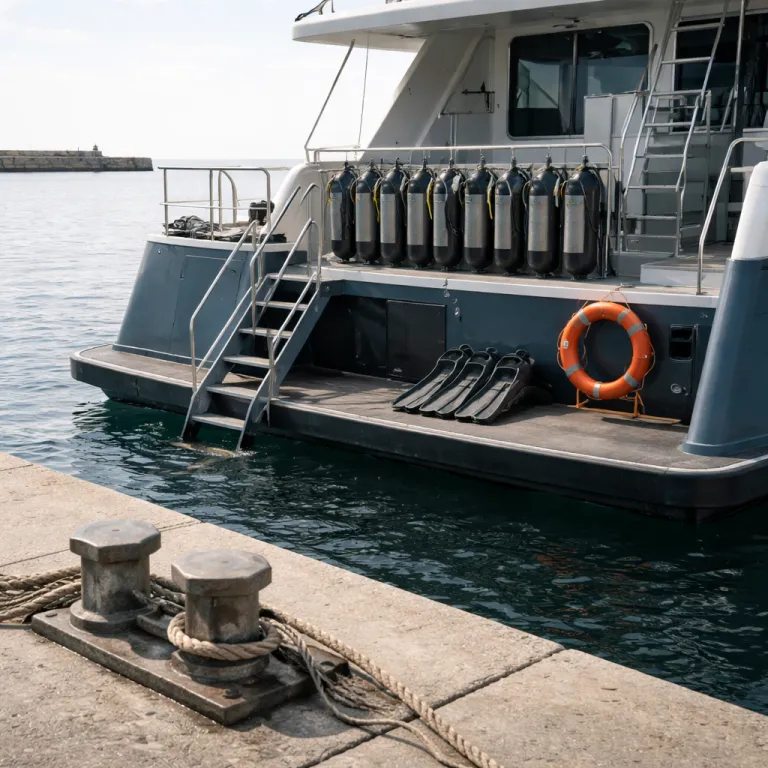
Why a liveaboard dive trip changes how you see tropical reefs
A liveaboard dive trip is not just another holiday at sea. It is a multi day immersion where you sleep above the reef, wake to the first briefing, and roll off the dive deck before most resorts have brewed coffee. For divers who care more about current swept walls than poolside loungers, this format quietly becomes the only way they want to dive.
By definition, a liveaboard is a vessel designed for liveaboard diving, combining accommodation, scuba facilities, and boat based access to remote dive sites. Industry data shows that the average trip duration sits around five days, with typical group sizes of about twenty divers, which strikes a balance between social energy and manageable dive groups. That scale lets experienced crew members fine tune itineraries around conditions, so your trip follows the best visibility, not a rigid brochure schedule.
The core benefit is reach. Liveaboards such as Aggressor, Emperor, Sea Explorer or regional operators in the Red Sea and Solomon Islands can anchor overnight beside offshore seamounts where mantas and sharks patrol undisturbed. You wake to an islands view that no day boat can reach at dawn, and you end the day rinsing gear on the dive deck while the sky turns violet over uninhabited islands.
Many first time guests arrive with glossy images in their heads, often shaped by Galápagos Islands hammerhead shots or Costa Rica schooling rays. The reality is more textured and more rewarding, especially on longer trips where weather, currents, and diver experience all influence the sequence of dives. A well run liveaboard dive trip leans into that variability, using flexible routing and informed guides to turn changing conditions into highlights rather than disappointments.
The format also changes how you relate to other divers. Shared meals on the upper deck, late night camera tinkering, and quiet chats with the captain about the next sea explorer route create a small, temporary community. For solo travelers, that sense of floating village life often proves as memorable as the most dramatic scuba diving encounter.
How to evaluate liveaboard operators and itineraries in Southeast Asia
Choosing the right liveaboard for your first trip matters more than chasing a famous name. Start with safety and professionalism, then look at the itinerary, and only then consider cabin style or the glossiness of marketing images. A lesser known explorer vessel with an excellent safety record beats a star scuba brand that cuts corners every time.
Verification is straightforward but non negotiable. Check that the liveaboard operator holds current flag state certifications, that compressors and scuba gear are serviced regularly, and that emergency oxygen and communications are clearly documented. Industry guidance for liveaboard diving always begins with three simple steps : “Verify operator credentials, Check equipment condition, Review itinerary details”.
Ask directly about divemaster to diver ratios, because this shapes both safety and experience on every dive. On complex sites in the Red Sea or around the Galápagos Islands, a ratio of one guide to six divers is far preferable to one guide shepherding ten or twelve. Clarify whether the trip welcomes mixed experience levels or expects advanced certifications, since some liveaboards quietly rely on peer supervision rather than structured guiding.
In Southeast Asia, demand is surging fastest where land based access is limited, especially beyond classic Komodo and Similan routes. Look for itineraries that include a mix of signature dive sites and lesser known reefs, so you are not queuing on mooring lines behind three other liveaboards. Routes that weave between islands with varied exposure also give the captain more options when wind or swell builds mid trip.
For first timers, central Indonesia, southern Thailand, and the calmer side of the Philippines offer forgiving conditions with rich coral and reliable visibility. More seasoned divers might seek exploratory trips that push further into eastern Indonesia or the outer atolls of the Maldives, where currents can be stronger but pelagic encounters intensify. If you are drawn to Pacific style biodiversity, consider pairing a future liveaboard with shore based time in Costa Rica beach towns for divers and ocean lovers, using that as a softer entry point before committing to a full week at sea.
Do not overlook less obvious regions either. The Solomon Islands, Turks and Caicos, and the British Virgin area each host a small but serious liveaboard scene, with vessels like Cuan Law offering sailing catamaran comfort and wide islands view panoramas. These trips often appeal to divers who value space on deck and relaxed schedules over headline grabbing shark feeds.
Cabins, comfort and what actually matters between dives
Once you have chosen a route, the next decision is cabin type, and this is where marketing can distract from what really matters. On a liveaboard dive trip, you spend far more waking hours on the dive deck, in the salon, or on the sun deck than inside your cabin. Comfort counts, but layout and airflow often matter more than square metres or decorative flourishes.
Prioritise a good mattress, effective air conditioning, and enough storage for your soft bags and camera cases. In the tropics, reliable air conditioning is not a luxury but a safety feature, because it helps you sleep deeply between repetitive dives and keeps damp gear from moulding. If you are prone to seasickness, a lower deck cabin near the centreline will move less than an upper deck queen suite, even if the latter offers a better sea view.
Many liveaboards, from Aggressor and Emperor vessels to smaller regional operators, offer a hierarchy of cabins labelled standard, deluxe, master, or similar. The master cabin usually adds a larger bed, extra windows, and sometimes a private stair to the main deck, but the actual sleeping experience may be similar to a well designed standard cabin. Ask for real cabin images rather than relying on brochure renderings, and check whether twin beds can convert to a double if you are sharing with a friend.
Shared spaces shape your daily rhythm more than cabin finishes. A shaded upper deck with comfortable seating becomes the social hub between dives, while a thoughtfully laid out camera table on the dive deck can make or break the experience for underwater photographers. Look for practical touches such as individual gear stations, plenty of charging points, and a clear separation between wet and dry zones.
Some vessels lean into themed branding, such as the Manta Queen series in Thailand or the Scuba Scene and Star Scuba style ships in the Red Sea. Others, like the sailing trimaran Cuan Law in the British Virgin and wider Virgin Islands region, focus on wide open deck plans and relaxed sailing charm. Expedition style ships in the Solomon Islands or around remote Pacific atolls may feel more utilitarian, but their hull design often handles rougher sea states with greater composure.
If you are planning a broader marine travel arc, consider how a liveaboard cabin experience compares with other small ship voyages. Articles on an NT cruise along Australia’s northern coast for divers and ocean lovers show how expedition ships manage storage, noise, and motion, and those same principles apply when you book liveaboard cabins. The goal is not opulence but a quiet, functional retreat that lets you reset fully between intense days of scuba diving.
Packing, seasickness and daily life on board
Packing for a liveaboard dive trip is a discipline in restraint, especially if you are flying on small regional aircraft. Aim to fit all essentials into a carry on plus a soft checked duffel, because rigid suitcases are awkward to stow in compact cabins. Remember that you will wear the same few lightweight outfits repeatedly, while your dive gear and camera rig consume most of the volume.
Start with core scuba equipment that you trust : mask, fins, computer, and any prescription or custom fit items that are hard to replace at sea. Most liveaboards provide rental BCDs and regulators, but frequent divers often prefer their own, both for familiarity and hygiene. Pack a thin hoodie or beanie even in the tropics, because repetitive diving can chill you over several days, especially on deeper or current swept dive sites.
Seasickness is the quiet saboteur of many first trips, yet it is manageable with preparation. Choose a midships lower deck cabin if you are sensitive, and begin your preferred medication before the boat leaves harbour, not after nausea starts. Ginger chews, acupressure bands, and staying hydrated all help, but the most effective tactic is often to stay on deck in fresh air, eyes fixed on a stable islands view rather than scrolling through images on your phone below.
Daily life quickly settles into a rhythm : wake, light snack, first dive, full breakfast, second dive, lunch, third dive, and sometimes a night dive before dinner. On a typical five day schedule, that can mean fifteen to twenty dives, which is why operators emphasise rest, hydration, and conservative profiles. A well trained équipe of crew members will quietly handle logistics in the background, from filling tanks to tracking nitrox mixes, so you can focus on the underwater highlights.
Respect the boat as a shared home. Use the rinse tanks properly, keep the dive deck uncluttered, and follow the crew’s system for hanging wetsuits so nothing drips into cabins. Many liveaboards, from Aggressor yachts in the Turks and Caicos to explorer vessels in Costa Rica or the Solomon Islands, run like small floating hotels, and that efficiency depends on everyone observing simple etiquette.
If you are curious how this compares with other small ship experiences, look at Scandinavian cruises on small ships for divers and marine travelers, which emphasise similar routines in colder water. Whether you are on a Manta Queen in Thailand, a Sea Explorer in the Red Sea, or a compact vessel in the Galápagos Islands, the same principles apply : travel light, move thoughtfully, and treat the crew’s systems as non negotiable.
Budget, hidden costs and how to book liveaboard wisely
Pricing a liveaboard dive trip can feel opaque at first, because headline rates rarely tell the full story. The base fare usually covers your cabin, meals, and a set number of dives per day, but port fees, fuel surcharges, park permits, and crew gratuities often sit in the fine print. To compare trips honestly, you need to build a full cost picture for each option.
Start by listing what is included : nitrox, rental gear, airport transfers, and soft drinks can add up quickly if they are charged separately. Some operators, such as certain Aggressor or Emperor liveaboards, bundle nitrox and Wi Fi into premium packages, while others keep the base fare low but charge à la carte for every extra. Ask for a written breakdown of expected extras per person, including suggested tip ranges for crew members, so you can budget realistically.
Flight routing and baggage fees are another quiet cost driver, especially for remote islands or the Galápagos Islands and Solomon Islands. A slightly more expensive trip that departs from a major hub with generous baggage allowances may be cheaper overall than a bargain itinerary that requires multiple small plane hops. Consider travel insurance that specifically covers liveaboard diving, including medical evacuation from sea, because standard policies sometimes exclude this activity.
When you are ready to book liveaboard space, timing matters. Peak seasons for the Red Sea, Costa Rica, or Turks and Caicos often sell out many months in advance, particularly on well regarded vessels like Cuan Law or long running explorer yachts. Shoulder seasons can offer better value and fewer boats on key dive sites, though you may trade slightly less predictable conditions for that space.
Solo travelers should pay close attention to single supplements and cabin sharing policies. Some liveaboards offer designated solo cabins or will match you with a same gender roommate to avoid extra charges, while others insist on a supplement unless you fill a double cabin. If you value privacy, it may be worth paying more for a smaller master or queen cabin, especially on longer trips where personal space becomes precious.
Finally, think about the long term arc of your diving. Many experienced divers now choose fewer, longer trips rather than multiple short holidays, investing in one extended liveaboard dive trip each year that combines intensive scuba diving with meaningful surface intervals in culturally rich ports. That approach often delivers better résultats in terms of both marine encounters and overall ROI on your travel budget.
Best tropical liveaboard routes for first timers and seasoned explorers
Tropical reefs are where the liveaboard format shines brightest, and route choice can define your entire experience. For a first liveaboard dive trip, you want warm water, manageable currents, and a mix of gentle coral gardens and more dramatic walls. For repeat guests, the wish list often shifts toward remote seamounts, sharky channels, and exploratory itineraries with fewer boats in sight.
In Southeast Asia, Thailand’s Andaman Sea and Indonesia’s central archipelagos remain classic entry points. The Manta Queen series, for example, runs multiple trips through the Similan and Surin islands, offering accessible dive sites with clear navigation and abundant macro life. Further south, Indonesian explorer vessels weave between Komodo, Alor, and Raja Ampat, where liveaboard diving reveals biodiversity that shore based operations simply cannot reach within a single trip.
Beyond Asia, the Red Sea continues to deliver high impact coral, wrecks, and pelagic encounters on relatively compact itineraries. Routes that combine Brothers, Daedalus, and Elphinstone offer steep walls, oceanic whitetips, and vibrant soft corals, though they suit divers comfortable with blue water ascents and occasional strong currents. For a gentler Red Sea introduction, northern wreck and reef trips balance history rich sites like the Thistlegorm with sheltered coral gardens.
In the wider tropics, the Turks and Caicos, Virgin Islands, and British Virgin region offer relaxed Caribbean style liveaboards with easy conditions and photogenic islands view panoramas. Cuan Law stands out here as a sailing trimaran with expansive deck space and a sociable atmosphere, ideal for mixed experience groups. Costa Rica and the Galápagos Islands sit at the other end of the spectrum, with advanced level trips that target hammerheads, mantas, and schooling sharks at offshore pinnacles.
For true frontier feeling, look to the Solomon Islands or less trafficked Pacific archipelagos, where only a handful of liveaboards operate each season. These trips often emphasise WWII wrecks, untouched reefs, and village visits, rewarding divers who value cultural context alongside marine life. The sea itself feels bigger here, and the absence of other liveaboards becomes part of the appeal.
Whatever route you choose, align it with your current skills and your appetite for progression. A well chosen first liveaboard dive trip should stretch you slightly without overwhelming you, leaving you confident enough to consider more ambitious explorer style trips later. Over time, you may find that your mental map of the world is organised less by countries and more by currents, channels, and the decks of the boats that carried you there.
Reading the fine print on safety, guiding and environmental impact
Underneath the romance of a liveaboard dive trip lies a simple reality : you are living and diving far from shore based support. That makes the operator’s safety culture and environmental ethics non negotiable selection criteria. Glossy images and clever branding cannot compensate for weak procedures when something goes wrong at sea.
Before you book, ask pointed questions about emergency protocols, including medical oxygen capacity, evacuation plans, and crew training. Reputable liveaboards drill regularly, maintain detailed maintenance données, and are transparent about past incidents and how they were addressed. Look for clear policies on maximum dive depths, mandatory safety stops, and how guides handle divers who repeatedly exceed agreed limits.
Guiding quality is where the best liveaboards quietly separate themselves from the pack. A seasoned divemaster who knows every coral head on a site can position you for manta flybys, shark encounters, or macro highlights without ever touching the reef. Ask about guide tenure, local experience, and whether the same équipe returns season after season, because that continuity builds both expertise and trust.
Environmental practices deserve equal scrutiny. Responsible liveaboards minimise single use plastics, treat grey water appropriately, and anchor only on sand or permanent moorings to protect fragile coral. Some operators in the Red Sea, Costa Rica, and the Solomon Islands now collaborate with marine biologists, inviting divers to contribute to citizen science projects that track reef health and megafauna movements.
On board, your own behaviour matters. Maintain perfect buoyancy over delicate corals, keep a respectful distance from marine life, and resist the urge to chase animals for better images, no matter how tempting the shot. The best divers measure a trip not by how close they got to a turtle’s face, but by how little their presence altered the natural behaviour of the reef.
Finally, remember that a liveaboard is a compact social ecosystem. Treat crew members with respect, tip fairly within local norms, and give feedback constructively, because their expertise and labour underpin every safe, memorable dive. When you step off the gangway at the end of the week, the strongest sign of a well run liveaboard diving operation is simple : you feel tired in the best possible way, already planning the next time you will book liveaboard space and head back to sea.
Key figures for planning a liveaboard dive trip
- Average liveaboard trip duration is around five days, typically ranging between three and seven days according to industry reports, which allows for multiple daily dives without excessive fatigue.
- Typical group size on mainstream liveaboards is about twenty divers per voyage, based on operator data, balancing social interaction with manageable dive group logistics.
- Most itineraries follow a pattern of embarkation and orientation on day one, intensive diving from day two to day six, and disembarkation on the final day, which shapes how you should plan flights and surface intervals.
- Liveaboard diving formats generally offer three to four dives per full day at sea, significantly increasing bottom time compared with land based day boat operations in the same region.
- Demand growth is strongest in regions where land based access to prime dive sites is limited, such as parts of Southeast Asia and remote Pacific archipelagos, driving earlier booking windows and higher occupancy rates.
FAQ about liveaboard dive trips
What is a liveaboard dive trip?
A liveaboard dive trip is a multi day diving excursion where participants live aboard a vessel. You sleep, eat, and relax on the boat while using it as a mobile base to reach remote dive sites. This format maximises time underwater and reduces long daily transits from shore.
How long do liveaboard trips usually last?
Most liveaboard trips last between three and seven days, with an industry average of about five days per voyage. Shorter itineraries often target compact regions with dense dive site clusters, while longer trips allow for more remote exploratory routes. Always factor in at least eighteen to twenty four hours of no fly time after your final dive.
What are the main benefits of liveaboard diving compared with shore based diving?
The primary benefits of liveaboard diving are access to remote sites, more dives per day, and flexible scheduling around weather and currents. Because you sleep close to the action, you can reach signature sites at optimal times, such as early morning or slack tide. The format also fosters a strong sense of community among divers and crew members.
Do I need prior diving experience to join a liveaboard?
Requirements vary by operator and itinerary, so you should match your experience to the specific trip. Some liveaboards cater to beginners with calm, shallow reefs and structured training, while others in places like the Galápagos Islands or certain Red Sea routes expect advanced certifications and solid drift diving skills. Always be honest about your experience when you book, so the operator can advise appropriately.
What should I pack for a liveaboard trip?
You should pack your core personal dive gear, appropriate tropical clothing, and all necessary travel documents. Many divers bring their own mask, fins, computer, and exposure protection, while renting bulkier items such as BCDs and regulators on board. Keep luggage soft sided for easier storage, and include seasickness remedies, reef safe sunscreen, and any prescription medications you might need at sea.