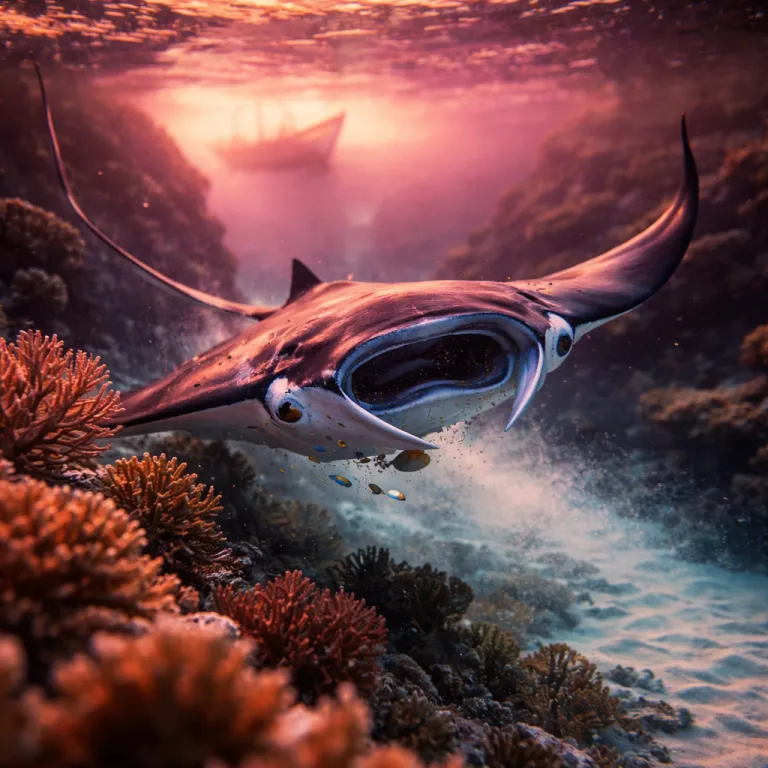
Reading the Maldivian channels: why mantas choose one reef over another
Maldives manta ray diving begins with understanding how water moves through the atolls. When tidal currents squeeze between islands, they funnel plankton rich water into narrow channels and over the reef, creating a conveyor belt that manta rays and whale sharks follow with precision. On the right day, a single channel can feel like a marine highway where every dive becomes a front row seat to pelagic life.
Think of each atoll as a ring of coral with gaps where the ocean breathes in and out. Incoming tide often pushes clear open water across the outer reef, while outgoing tide can pull nutrient dense water from the lagoon and concentrate plankton in the bay or along the reef edge, which is exactly what a feeding manta ray wants. Experienced scuba divers time their diving trip so that they enter the water just as the current stabilises, when rays, reef sharks and the occasional whale shark rise from the blue to feed.
Local dive operators read these patterns like a tide chart written in manta language. They know which dive sites work best on incoming or outgoing tide, which side of the channel will hold a cleaning station, and when a reef manta will circle above a bommie for twenty minutes without moving more than a few metres. This is where the divemaster advantage matters most, because a guide who understands manta behaviour, whale shark habits and plankton flows will quietly position you where the giant manta passes within arm’s length while you simply hold your buoyancy and breathe.
Seasonal strategy: choosing the right atoll and month for manta density
For Maldives manta ray diving, the calendar is as important as the compass. The southwest monsoon from May to November drives plankton into certain atolls, turning places like Baa Atoll and its famous Hanifaru Bay into seasonal amphitheatres where hundreds of manta rays can gather in a single day. During the drier northeast monsoon, the same rays and whale sharks often shift to other atolls, and the game becomes choosing the right side of the country for your trip.
In Baa Atoll, Hanifaru Bay is the headline act, a shallow bay where currents swirl plankton into tight spirals that manta rays and the occasional whale shark vacuum with balletic precision. Regulations here are strict, and for good reason, because “When is the best time to see manta rays in the Maldives? May to November during the southwest monsoon.” is not just a tourism slogan but a management tool that concentrates visitor pressure into a defined season. Long term monitoring by organisations such as the Manta Trust has documented repeated seasonal aggregations here, with peak years recording well over one hundred individual reef manta rays using the bay. If you prefer fewer boats and more exploratory scuba diving, consider shoulder months on less famous atolls where reef manta encounters can be just as intimate, even if the numbers are lower.
Budget plays a role, yet price should follow conditions rather than the other way around. If you are planning to complete a PADI Open Water course or a more advanced PADI Open Water referral before serious diving Maldives wide, look at destinations where training costs are lower, then route onward to the Maldives once certified, using resources such as this guide to dive training at a fraction of the price. That way your Maldives manta ray diving budget focuses on time in the water with manta rays, whale sharks and the wider marine life rather than on basic skills you could have mastered elsewhere.
The divemaster’s playbook: how guides work a channel during manta season
On a serious manta focused diving trip, the most valuable person on the boat is often the quiet local divemaster who has watched the same channel for years. They will check wind, tide tables and water colour before you even assemble your scuba gear, because a slight green tint can mean a plankton bloom that pulls manta rays and whale sharks into the area. Once on site, they drop in first, read the current on the reef, then signal where each scuba diver should settle before the main show begins.
In places like Baa Atoll, North Malé Atoll or Ari Atoll, the best Maldives manta ray diving rarely happens in the middle of the channel. Instead, guides tuck you behind coral heads or along the shoulder of the reef where the current is manageable but the plankton rich flow still brushes past, bringing manta rays, reef sharks and schooling fish into view. On some dives, a single giant manta will loop repeatedly over a cleaning station, while on others, lines of manta rays cruise through the open water like aircraft on final approach, and your role is simply to stay still and let marine life come to you.
Logistics matter too, especially if you are flying into Malé Airport and transferring by seaplane or speedboat to remote atolls. Choose operators who brief clearly on open water protocols, who limit group sizes and who work with conservation partners such as Manta Trust to monitor reef manta populations and whale shark interactions. For couples planning a longer itinerary, it can be worth pairing a liveaboard focused on diving Maldives channels with a quieter island stay, using resources like this curated list of dive resorts and liveaboards worth booking to balance serious scuba diving with surface time.
Hanifaru Bay and beyond: etiquette, regulations and respectful encounters
Hanifaru Bay in Baa Atoll has become shorthand for Maldives manta ray diving, and with reason. On peak days, currents can funnel so much plankton into this small bay that more than one hundred manta rays and several whale sharks may feed together in tight spirals, creating the famous cyclone formations that have defined many a diving trip. To protect this spectacle, local authorities restrict access, limit time in the water and enforce rules that every diver and snorkeller must respect.
Regulations here are clear, and they exist to protect both manta rays and visitors. As the official guidance states, “Are there regulations to protect manta rays in the Maldives? Yes, manta rays are protected under Maldivian law.”, which means guides will insist on no touching, no chasing and strict control of group size in the bay. Many operators now run Hanifaru Bay as a snorkel only experience, keeping scuba divers on the surface where bubbles will not disturb feeding patterns, while offering separate scuba diving on nearby dive sites that host cleaning stations for reef manta populations.
Good etiquette extends beyond Hanifaru. Whether you are on a shallow reef near Malé or a remote channel in the south, maintain at least three metres from any manta ray or whale shark, stay low in the water column and avoid blocking their path as they feed or visit cleaning stations. If you are new to the sport, consider a structured Discover Scuba experience before committing to deeper open water dives, so that buoyancy and trim feel natural when the first giant manta sweeps overhead and you are tempted to fin closer than you should.
Designing a manta focused itinerary: routes, side trips and value decisions
Planning Maldives manta ray diving as a couple means deciding how much of your trip you want to dedicate to channels, how much to reefs and how much to surface time. One smart strategy is to anchor your itinerary around two or three atolls with complementary strengths, such as Baa Atoll for Hanifaru Bay, Ari Atoll for whale sharks and reef sharks, and a quieter northern atoll for less crowded dive sites. This spreads your chances across different manta ray behaviours, from feeding frenzies to slow motion cleaning sessions on sheltered reef manta stations.
Arrival through Malé Airport shapes the first and last day, so use those partial days for lighter water activities rather than deep scuba diving. Many operators near North Malé Atoll offer relaxed afternoon dives on sheltered reef slopes where manta rays occasionally pass, which can be ideal for a check dive after a long flight or for a final easy dive before flying. If you are still working toward full certification, a Discover Scuba session in calm conditions can be a low pressure way to refresh skills before heading to more exposed open water channels later in the week.
Value is not only about price per dive but about how many high quality encounters your diving Maldives itinerary can realistically deliver. Some couples prefer a land based stay with flexible day boats, while others choose liveaboards that move between atolls in search of the best marine life, and both models can work if the operator understands manta rays and whale sharks rather than simply ticking off famous names. For travellers who enjoy independent shore based models, it is worth reading how destinations like Bonaire have refined the drive and dive approach, then adapting that mindset to Maldivian logistics where boat access remains essential but day to day choices can still be in your hands.
FAQ
When is the best season for manta ray encounters in the Maldives ?
The most reliable manta ray encounters in the Maldives occur from May to November, during the southwest monsoon when plankton rich water concentrates around certain atolls. Baa Atoll and Hanifaru Bay are particularly productive in this period, with frequent feeding aggregations. From December to April, sightings shift and can become more scattered, so atoll choice becomes even more important.
Do I need to be an experienced diver to see mantas in the Maldives ?
You do not need extensive scuba experience to see manta rays in the Maldives, because many encounters happen in shallow water suitable for snorkelling. Operators routinely host beginners and offer Discover Scuba experiences or full PADI Open Water courses for those who want to progress into deeper diving. Strong swimming skills, comfort in open water and good listening during briefings are more important than a thick logbook.
How many manta rays can gather in Hanifaru Bay on a peak day ?
On exceptional days in Hanifaru Bay, surveys by the Manta Trust and Maldivian authorities have recorded well over one hundred individual manta rays feeding together in the small bay. These aggregations occur when tides and plankton blooms align, usually between May and November. Strict regulations on group size and time in the water help reduce pressure on the animals during these intense events.
Can I see whale sharks on a manta focused trip to the Maldives ?
Whale sharks are present year round in the Maldives, especially along certain outer reefs and channels in Ari Atoll and a few other regions. While manta ray encounters are more predictable in places like Baa Atoll, many itineraries combine both species by including at least one day in known whale shark areas. As always, sightings are never guaranteed, but careful route planning and experienced guides significantly improve your chances.
Are eco friendly practices common among Maldivian dive operators ?
Many Maldivian dive operators now emphasise eco friendly practices, such as avoiding anchors on fragile reef, limiting group sizes and collaborating with conservation organisations like Manta Trust. Some centres participate in photo identification projects that track individual manta rays and whale sharks over time, turning each dive into a small data point for marine science. When choosing an operator, ask directly about their conservation partnerships and how they manage interactions at busy sites like Hanifaru Bay.