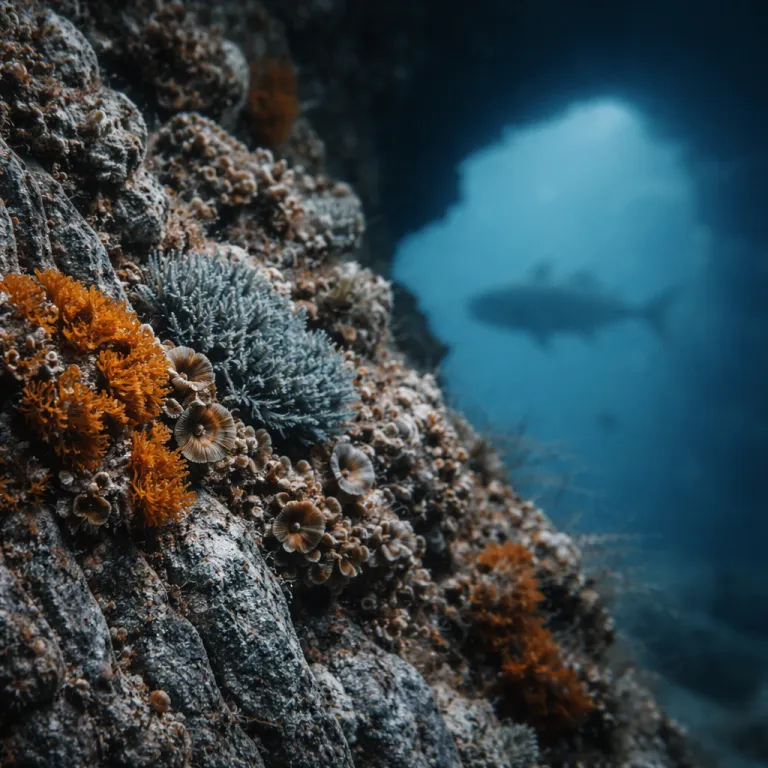
Palau shoulder season scuba guide for couples
Why Palau’s shoulder season belongs on your bucket list
Palau scuba diving has a reputation for drama, and it is deserved. When you time your trip for the shoulder season, the same marine spectacle unfolds with fewer divers in the water and a calmer rhythm on every boat. For a couple planning a romantic escape, that balance between world class dive sites and a quieter surface interval can turn a good dive holiday into the best dive experience of the year.
The country’s location in the western Pacific means you can dive Palau year round, but conditions shift in ways that matter to an experienced water diver. The drier northeast monsoon, typically from November to April, usually brings the clearest open water visibility, often in the 20 to 30 metre range on the outer reefs according to data shared by the Palau Visitors Authority and local marine guides, while the slightly warmer, plankton rich southwest monsoon months around May to October often attract more manta rays to cleaning stations and channels. Understanding how these patterns affect Palau diving lets you choose the week when Blue Corner feels almost private, yet the marine life remains at full volume.
Most couples arrive in Koror and fan out across the Rock Islands by boat, chasing the legendary walls, caves and channels that made Palau scuba famous. You will hear operators talk about diving Palau as if it were a single destination, yet each lake, channel and reef has its own mood and current pattern. The goal in shoulder season is simple: secure access to the best dive sites while sidestepping the densest clusters of PADI groups and liveaboard schedules that can crowd the shark sanctuary’s signature corners.
Reading Palau’s seasons: visibility, currents and crowd patterns
Palau offers reliable scuba diving throughout the calendar, but the feel of each day underwater changes with the monsoon patterns. Broadly, one part of the year brings drier air, calmer seas and visibility that can reach around 30 metres on the outer reefs, while the opposite season tends to be warmer, with more plankton in the water and livelier pelagic action. The sweet spot for many divers sits on the shoulders of these periods, often around late October to early December and again from March into May, when conditions stay stable yet the number of boats on the most famous dive sites drops noticeably.
During the clearest weeks, Blue Corner, German Channel and the surrounding walls can look almost hyper real, with sharks, mandarin fish and schooling barracuda etched against cobalt water. In the slightly softer visibility of the plankton rich months, manta rays often become the headline act, circling cleaning stations in slow, photogenic loops. Shoulder season sits between these extremes, so a diver can plan a Palau dive itinerary that samples both shark sanctuary walls and manta cleaning stations without committing to only one style of marine life encounter.
Flight schedules into Koror tend to cluster around regional hubs, which means peak holiday periods can still push diver numbers up even in otherwise quiet months. This is where working with a serious PADI operator based in Koror matters, because experienced local teams understand how to time entries at popular sites to avoid the largest groups of divers. If you enjoy combining remote reef trips with other ocean journeys, consider pairing Palau with an expedition style cruise along Australia’s northern coast for a contrasting marine travel experience.
Signature sites in shoulder season: Blue Corner to Jellyfish Lake
Ask any seasoned diver about Palau scuba diving and Blue Corner usually surfaces first. This limestone promontory, dropping into deep open water, funnels current and marine life into a compact amphitheatre where sharks, tuna and snapper patrol the edge of the reef. In shoulder season, fewer boats mean your PADI guide can often choose the best hook in point along the wall, giving you a front row seat to the shark sanctuary’s daily procession without a line of divers crowding the plateau.
German Channel tells a different story, one written in manta rays and fine sand rather than vertical walls. Here, the best dive plan in shoulder months often involves entering on a gentle current, crossing the channel floor and settling near cleaning stations where mantas circle above patient divers. With slightly fewer groups in the water, the experience feels less like a scheduled show and more like a quiet marine encounter, especially when only one or two boats share the site.
Jellyfish Lake, set among the Rock Islands, offers a non scuba interlude that still belongs firmly on any Palau bucket list. The lake’s famous jellyfish population has fluctuated over time, and access rules can change, with closures announced by the Koror State Government and the Palau Visitors Authority when monitoring shows stress on the ecosystem, so always check with your operator before planning a day there. For couples who enjoy mixing reef dives with surface adventures, combining a morning at Blue Corner with an afternoon paddle through the Rock Islands and a sunset visit to a quiet beach, perhaps inspired by this elegant guide to remote beaches in Colombia, creates a balanced marine travel rhythm.
Conservation, the Palau Pledge and choosing the right operator
Palau’s shark sanctuary and wider marine protected area network cover roughly half a million square kilometres, a figure reported by the Palau National Marine Sanctuary Office and conservation partners, making this island nation a global reference point for conservation led diving. Every visitor signs the Palau Pledge on arrival, a reminder that each diver, snorkeller and boat operator shares responsibility for the reefs, lakes and Rock Islands. This ethos, highlighted by the Palau Visitors Authority and the official Palau Pledge campaign, shapes everything from mooring buoy use to how many groups can enter sensitive dive sites on a given day.
For couples planning a Palau scuba itinerary, operator choice is not just a comfort decision; it is a conservation one. Look for a PADI 5 Star or similarly accredited dive centre that supports local reef monitoring, follows shark sanctuary rules and limits group sizes, because these are the outfits that treat every dive as both an experience and an environmental commitment. Liveaboard options and high quality day boat operations extend that philosophy offshore, offering multi day routes that spread diver impact across a wider range of sites while still delivering access to marquee locations like Blue Corner and German Channel.
Responsible diving in Palau also means understanding the less visible pressures on marine life, from coastal development to wastewater management. Before you travel, it is worth reading an evidence based analysis of sewage impacts on marine protected areas, which explains why even pristine looking shark sanctuaries can face hidden threats. Recent trends in the region include stronger enforcement of marine protected area rules, more rigorous environmental briefings for visitors and a steady rise in demand for eco certified dive operations.
Photography, training and how couples can structure a shoulder season week
For underwater photographers, Palau scuba diving in shoulder season offers a rare mix of clear water, active marine life and slightly looser schedules on the boats. Fewer divers on each Palau dive often translate into longer bottom times within safe limits, more freedom to frame sharks or mandarin fish without fin traffic, and a calmer atmosphere on safety stops. If one partner prefers wide angle walls while the other loves macro, this is the moment to negotiate alternating days between Blue Corner, channels and sheltered coral gardens.
Many PADI centres in Palau now offer specialty courses that fit neatly into a week long stay. A manta identification specialty, for example, turns each German Channel dive into a small research project, deepening your connection to the manta rays that glide through the open water above the sand. Other specialty courses, such as nitrox or digital underwater photography, can be completed between regular dives, giving both divers new skills without sacrificing time on the best dive sites.
Logistically, couples can structure a shoulder season itinerary around three core elements: day boat diving from Koror, one or two longer range trips into the Rock Islands, and at least a half day reserved for Jellyfish Lake or a similar non scuba excursion. A typical five to seven day plan might include three or four days of two tank boat dives, one rest day with light snorkelling and a final non diving day before flying, while allowing time for evening walks and local dining. Liveaboard options suit travellers who prefer to wake over a new reef each morning, while land based stays appeal to those who enjoy returning to shore after a full day of Palau diving; whatever the base, planning rest intervals, surface time together and a final non diving day before flying will keep both romance and safety aligned.
FAQ
What is the best time of year to dive in Palau for fewer crowds ?
Palau offers good diving year round, but the shoulder periods between the main dry and wet seasons usually bring fewer divers to the most popular sites. During these weeks, visibility often remains strong while boat traffic at Blue Corner and German Channel drops, giving couples more relaxed entries and less crowded safety stops. Exact timing can vary with regional holidays, so ask your chosen operator which dates typically see lower diver numbers.
Do I need a visa and any special requirements to go scuba diving in Palau ?
Most visitors require a visa or entry permit, which is usually handled on arrival depending on nationality, and every traveller must sign the Palau Pledge that commits them to responsible behaviour. For scuba diving, you should bring proof of your PADI or equivalent certification, and advanced or open water diver cards are often required for the more challenging sites. Some operators may also ask for a recent logbook and medical clearance if you plan deep or technical dives.
Are there liveaboard options, or is Palau mainly day boat diving ?
Palau supports both styles, with a strong network of day boat operators based around Koror and several liveaboard vessels operating extended itineraries. Liveaboards focus on multi day routes that link remote walls, channels and Rock Islands, ideal for divers who want maximum time at sea. Day boat diving suits couples who prefer to return to shore each evening, enjoy local dining and mix diving with land based activities.
How should intermediate divers prepare for Palau’s currents and walls ?
Many of Palau’s signature dive sites involve moderate to strong currents, negative entries and reef hook use, so recent experience in similar conditions is valuable. Completing a PADI Advanced Open Water course and a drift or current specialty before arrival will make you more comfortable on walls like Blue Corner. Once in Palau, start with easier sites, listen closely to briefings and do not hesitate to request a conservative profile from your guide.
Is Jellyfish Lake always open, and can I scuba dive there ?
Access to Jellyfish Lake has changed over time in response to environmental conditions, and local authorities may close it to protect the ecosystem, so you should always confirm current status with your operator. When open, the lake is typically visited as a snorkelling site rather than a scuba diving location, both for safety and conservation reasons. Respecting these rules helps ensure that future visitors can enjoy the same unique jellyfish experience among the Rock Islands.