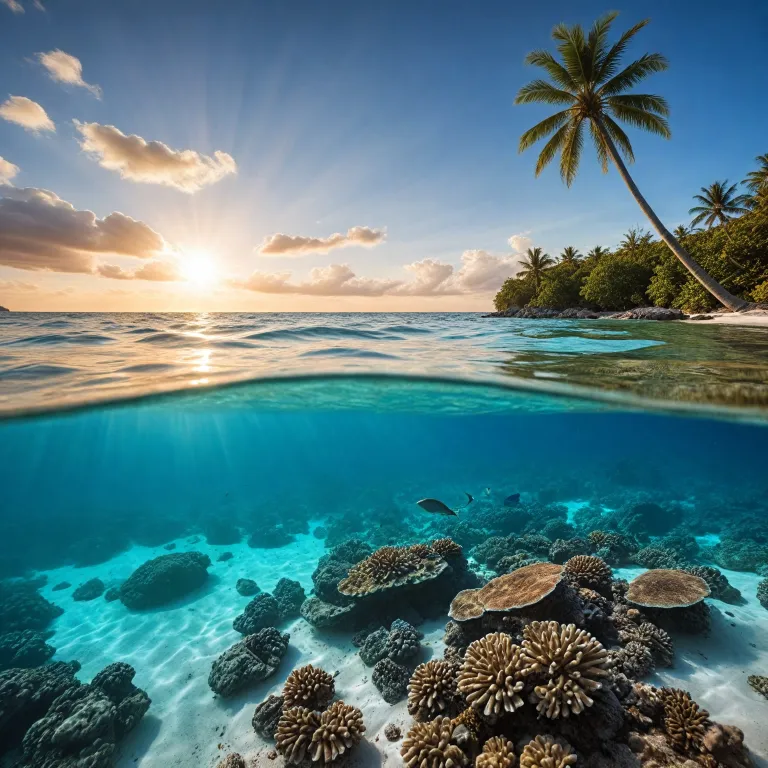
Why the best tropical places to travel captivate divers and ocean lovers
The best tropical places to travel share a rare balance of healthy reef, accessible beach, and reliable marine conditions. For divers planning a trip, these tropical environments offer warm water, high visibility, and a gentle learning curve for kids and beginners. Families and experienced explorers alike can build a bucket list that blends underwater thrills with relaxed surface intervals on powder soft beaches.
Across the world, tropical islands such as Boracay, Ambergris Caye, and the Bahamas consistently rank among the best tropical destinations for marine travel. Tourism authorities report strong visitor numbers, reflecting how these destinations combine a safe environment for family travel with world class coral systems and pelagic encounters. When choosing where to stay, divers often look for a beach resort or coastal resort that offers direct access to the reef, short boat rides, and family friendly services.
For a family vacation, the best beach areas are those that keep logistics simple and fun between dives. Parents can schedule shallow reef sessions in the morning, then enjoy friendly coastal towns, nature excursions, and relaxed time on the sand with their kids. A thoughtful travel guide will highlight the best things to do above and below the surface, helping every family trip feel both enriching and restorative in these beautiful coastal settings.
Caribbean coral routes: from Ambergris Caye to Riviera Maya and beyond
In the Caribbean, several of the best tropical places to travel for divers trace the arc of the Mesoamerican Barrier Reef. Ambergris Caye in Belize stretches for roughly 40 km and offers easy access to shallow coral gardens ideal for a first family trip. Many beach based operators here design family friendly itineraries that combine snorkeling for kids with deeper dives for adults during the same vacation.
Farther northwest, the Riviera Maya and Playa del Carmen area deliver a different style of tropical immersion, with cenote diving, reef walls, and lively coastal towns. A detailed travel guide to Playa del Carmen and nearby del carmen dive sites will usually emphasize how easy it is to pair reef dives with cultural excursions inland. For travelers interested in conservation focused coral reef conservation travel, these tropical destinations also host respected marine projects that welcome visiting volunteers.
To the east, the Bahamas and the Dominican Republic combine beautiful beach destinations with blue water encounters and relaxed island culture. The Bahamas Ministry of Tourism notes that in 2024, the Bahamas received over 11.22 million tourists. For family travel, these islands offer shallow training sites, shark diving for advanced guests, and calm lagoons where kids can safely practice snorkeling during a family vacation.
Pacific gems: Boracay, Costa Rica, and the pull of marine biodiversity
Across the Pacific, Boracay in the Philippines stands out among the best tropical places to travel for its mix of reef, wrecks, and white sand beaches. The Boracay Tourism Office reports strong visitor arrivals, reflecting how this tropical island appeals to both new divers and seasoned underwater photographers. Many operators here curate family friendly schedules that allow one parent to dive while the other enjoys fun shore based things to do with the kids.
On the other side of the Pacific, Costa Rica offers a different character, where rainforest and reef meet along the same coastline. Along the Pacific side, tropical islands and rocky pinnacles attract schooling rays and pelagic species, while the Caribbean coast provides calmer beach destinations for a slower paced family trip. Many travelers combine a stay near a marine beach resort with inland visits to a national park, creating a family vacation that balances underwater exploration and wildlife watching.
For divers planning a trip through Mexico’s Caribbean, Cozumel remains one of the best tropical destinations for drift diving and reef health. Detailed marine life overviews, such as this guide to Cozumel’s fish and reefs, help visitors understand seasonal patterns and site selection. Families often find that combining Cozumel with Playa del Carmen or del carmen creates a varied vacation, with one island focused on diving and the mainland offering more urban fun and cultural things to experience.
Designing a family friendly tropical dive itinerary
Planning a family vacation around the best tropical places to travel requires careful attention to safety, pacing, and comfort. Parents should evaluate each beach resort or coastal resort for on site medical support, child focused amenities, and proximity to beginner friendly dive sites. A thoughtful travel guide will also highlight non diving things to do, ensuring that non divers and kids feel equally engaged throughout the trip.
When comparing tropical destinations, consider water temperature, current strength, and the availability of shallow training areas near the beach. Many tropical islands now offer dedicated family friendly dive programs, where instructors specialize in working with younger guests and nervous beginners. These programs often schedule shorter dives, longer surface intervals, and plenty of relaxed time on beautiful beaches so that the overall vacation feels balanced rather than rushed.
For multi generational family travel, it can be helpful to choose beach destinations that combine calm lagoons with more advanced outer reefs. This allows grandparents, parents, and kids to share the same tropical island while pursuing different levels of adventure during the stay. Many travelers place locations such as Costa Rica, the Bahamas, and Puerto Rico on their bucket list precisely because they offer this range of fun, from gentle snorkeling to challenging offshore dives.
Timing, conditions, and practical travel tips for tropical islands
Choosing the right season is essential when evaluating the best tropical places to travel for diving and marine exploration. Weather patterns, water clarity, and marine life behavior all shift across the year, influencing which tropical destinations feel most comfortable for a family trip. Travelers should research local climate data, consult tourism boards, and review recent reports before confirming a stay at any beach resort or coastal resort.
Among the most practical travel tips is to build at least one buffer day at the start and end of the vacation. This allows time for jet lag recovery, equipment checks, and safe surface intervals before flying home from tropical islands. Families visiting beach destinations such as Puerto Rico, Panama City Beach on the east coast, or Costa Rica often use these days to explore nearby cultural sites or a coastal national park.
Another key consideration involves matching dive sites to the experience levels within your family travel group. Calm bays and sheltered beaches are ideal for kids and new divers, while more exposed reefs suit advanced guests seeking the best things in terms of challenge and marine life. Many divers also add manta ray encounters to their bucket list, using resources such as this immersive manta ray diving guide to choose the most suitable tropical destinations for these experiences.
Coastal culture, conservation, and the value of responsible marine travel
Beyond the reefs, the best tropical places to travel for divers are those that respect local culture and marine ecosystems. Many tropical islands now integrate community led conservation projects into their tourism models, inviting visitors to support reef restoration and coastal cleanups during their stay. These initiatives add depth to a family vacation, turning a simple trip into a meaningful learning experience for kids and adults alike.
In Costa Rica, for example, it is common to combine diving with visits to a marine focused national park or wildlife refuge. Similar opportunities exist in Puerto Rico, the Bahamas, and Panama City Beach, where local organizations promote turtle protection and reef monitoring. Travelers who prioritize such tropical destinations often report that these beautiful beach destinations feel more rewarding, because their tourism spending supports long term ecosystem health.
Responsible family travel also means choosing beach resort operators who minimize plastic use, respect marine life codes of conduct, and maintain small group sizes. These practices help preserve the best beach areas and underwater sites so that future generations can enjoy the same fun and natural richness. When evaluating the best tropical destinations, divers increasingly weigh these ethical factors alongside classic considerations such as visibility, water temperature, and the range of things to do on shore.
Key statistics on leading tropical marine destinations
- Boracay in the Philippines welcomed more than 2.1 million tourists in a recent reporting period, underlining its status among the most visited tropical islands.
- The Bahamas recorded over 11.22 million tourist arrivals, confirming its position as one of the world’s busiest tropical destinations for cruise and beach focused travel.
- The Dominican Republic received around 10 million visitors, many of whom were drawn by its combination of beautiful beaches, marine excursions, and family friendly coastal resort areas.
- Ambergris Caye in Belize extends for approximately 40 km, offering extensive coastline and reef access that appeal strongly to divers planning a bucket list trip.
Essential questions about the best tropical places to travel for diving
What are the top tropical destinations to visit for marine focused travel ?
Some of the best tropical places to travel for divers and snorkelers include Boracay in the Philippines, Ambergris Caye in Belize, the Bahamas, the Dominican Republic, and Mexico’s Riviera Maya. These tropical destinations combine healthy reefs, accessible beach areas, and a wide range of family friendly services. Many travelers also add Costa Rica, Puerto Rico, and Panama City Beach to their bucket list because they offer both marine biodiversity and engaging coastal culture.
When is the best time to visit Boracay for a dive focused vacation ?
The peak tourist season in Boracay is during the amihan season, which generally starts around the Christmas season and runs through February. For many divers, this period offers comfortable air temperatures, relatively stable sea conditions, and lively shore based activities along the main beach. Families planning a trip during this window should book their preferred beach resort or coastal resort well in advance, as the best located properties near the beach fill quickly.
What activities can I combine with diving in Ambergris Caye during a family trip ?
Ambergris Caye is renowned for scuba diving, snorkeling, and excursions to the Belize Barrier Reef, which make it one of the best tropical places to travel for marine enthusiasts. Visitors on a family vacation can also enjoy paddleboarding, sailing, and cultural experiences in San Pedro Town between dives. These options help keep kids engaged and ensure that both divers and non divers feel the trip offers a rich mix of fun, relaxation, and local flavor.