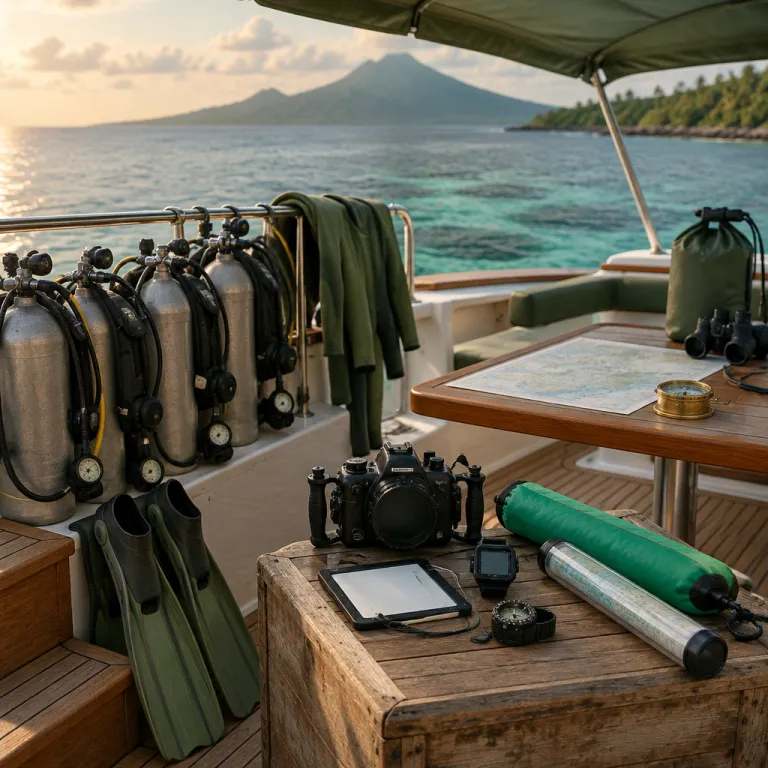
Why north sulawesi indonesia belongs on every diver’s wish list
North Sulawesi in Indonesia offers a rare blend of world class diving and graceful coastal culture. The province combines volcanic island Sulawesi landscapes, warm equatorial waters, and a network of protected marine park sites that feel both accessible and remote. For divers who value natural beauty as much as easy logistics, this area delivers a remarkably balanced experience.
The region known as North Sulawesi sits on the northern tip of the larger Sulawesi province, facing both the Celebes Sea and the Molucca Sea. From Manado city to the offshore islands, you move through a mosaic of reefs, mangroves, and steep walls that drop far below sea level into deep blue water. This geography creates strong currents, rich upwellings, and the dense marine life that has made Sulawesi Indonesia a reference point for tropical reef enthusiasts.
Manado North has grown into a relaxed gateway for international and Indonesian travellers who want serious diving without losing the sense of being in a real place. The people of Minahasa heritage, who have long inhabited the hills and coast around the city, bring a distinctive cuisine and hospitality that shape every day on land. As one local dive guide in Manado likes to say, “You come for the turtles and walls, but you stay for the food and the smiles.” When you combine this cultural layer with the underwater drama of Bunaken National Marine Park and nearby nature reserve areas, North Sulawesi becomes far more than a simple dive stop.
Bunaken national marine park: walls, currents, and family friendly reefs
Bunaken National Marine Park lies just off Manado in North Sulawesi and remains the signature attraction for many visitors. The park includes Bunaken island itself plus several smaller islands, forming a compact area where you can reach most dive sites within 30 to 45 minutes by boat. Sheer walls, overhangs, and plateaus create a vertical playground that suits both beginners and advanced divers.
On the western side of Bunaken island, classic sites such as Lekuan and Fukui showcase why Bunaken marine ecosystems are so often cited in coral reef studies. Hard corals, sponges, and sea fans cling to walls that plunge from just below sea level to more than 1 000 metres in the surrounding basin. Turtles cruise slowly along the drop offs, while schools of fusiliers and trevallies sweep past in silver clouds that remind you how productive this part of Sulawesi Indonesia can be.
Families often choose Bunaken National Marine Park because snorkelling is excellent directly above the reef crest, and many sites offer gentle conditions during the right season. If you are planning a family trip that mixes diving and snorkelling, basing yourself in Manado city and taking day boats to the islands works well. Typical shared boat transfers from Manado to Bunaken take around 40 minutes each way, with charter prices varying by group size and operator. For divers comparing global reef experiences, reading a detailed guide such as this analysis of kaleidoscopic reef systems in Fiji can help you understand how Bunaken’s walls differ from other tropical destinations.
Beyond Bunaken: muck diving north of Manado and the wider Sulawesi triangle
While Bunaken draws the headlines, diving north and south of Manado reveals a different side of North Sulawesi Indonesia. Along the mainland coast, black sand slopes and small bays host rich muck diving where critter hunters can spend entire day sessions searching for rare species. This coastal area, stretching from Manado North towards the province north border, forms part of a broader biodiversity triangle that also touches central Sulawesi and south Sulawesi waters.
Sites near the city often combine coral patches with volcanic sand, creating a contrast that macro photographers love. Seahorses, frogfish, and flamboyant cuttlefish appear on night dives, while during the day you may find ornate ghost pipefish hovering above discarded ropes or natural debris. These mainland sites show that island Sulawesi is not only about dramatic walls but also about subtle habitats that reward patient observation.
Travellers who enjoy planning trips around seasonal patterns should look closely at shoulder periods, when conditions in this province can be calm yet less crowded. A useful reference is this discussion of why shoulder season often rivals peak season for reef diving, which applies well to North Sulawesi and central Sulawesi alike. When you align your travel window with local wind and swell patterns, you gain more flexibility to explore both the islands and the mainland coast without rushing.
Manado, Minahasa highlands, and Tomohon city: life above sea level
Any serious dive trip to North Sulawesi Indonesia benefits from at least one non diving day in the Minahasa highlands. Leaving Manado city, the road climbs quickly away from sea level towards cooler air, passing clove trees, terraced fields, and small villages where Minahasa people maintain long standing farming traditions. This inland area offers a welcome contrast to the humid coast and helps you understand how the wider Sulawesi province fits together.
Tomohon city sits at the heart of this upland region and serves as a practical base for exploring volcanic landscapes. From Tomohon, you can hike to the rim of Mount Mahawu, a relatively gentle volcano whose crater offers sweeping views across the North Sulawesi coastline and the islands beyond. On clear days, the line between the central Sulawesi interior and the distant south Sulawesi horizon becomes visible, reminding you of the scale of island Sulawesi.
Many travellers pair a morning hike on Mount Mahawu with an afternoon visit to nearby lakes or hot springs, creating a balanced day that respects safe surface intervals after intense diving. A typical itinerary might see you leaving Manado after breakfast, reaching Tomohon in under an hour, hiking before midday, then soaking in hot springs while the afternoon clouds roll in. The combination of Tomohon city markets, Minahasa cuisine, and highland scenery adds cultural depth to a trip that might otherwise focus only on the marine park. When you see how people live both in the city and in rural communities, the province north of the equator feels less like a remote dive outpost and more like a complete Indonesian travel experience.
Tangkoko nature reserve and coastal wildlife encounters
On the northeastern tip of North Sulawesi, Tangkoko Nature Reserve protects one of the most biodiverse lowland forests in Indonesia. This coastal nature reserve lies at the meeting point of volcanic slopes and black sand beaches, creating a corridor where terrestrial and marine ecosystems interact. For divers and snorkellers, spending a day here offers a rare chance to connect reef experiences with rainforest wildlife.
Guided walks in Tangkoko Nature Reserve often focus on iconic species such as the spectral tarsier and the black crested macaque, but birdlife is equally impressive. As you move through the forest, you gain a sense of how the same climatic forces that shape Bunaken marine communities also sustain these land based habitats. The reserve’s position within the broader Sulawesi province highlights how conservation in one area can support ecological resilience across both North Sulawesi and central Sulawesi corridors.
Many visitors arrange Tangkoko excursions from Manado or from smaller coastal towns to the north and south, combining wildlife viewing with relaxed evenings by the sea. This pattern works well for mixed groups where some family members dive while others prefer hiking or photography. When you consider the full range of protected areas in Sulawesi Indonesia, from Bunaken National Marine Park to Tangkoko’s forests, the argument for treating the province as a long stay destination becomes compelling.
Planning your marine journey across Sulawesi Indonesia
Thoughtful planning is essential if you want to experience the full spectrum of North Sulawesi Indonesia, from Bunaken’s walls to the Minahasa highlands. Start by deciding how many day trips you want to dedicate to Bunaken National Marine Park, how many to mainland muck sites, and how many to inland excursions. This balance helps you respect safe surface intervals while still maximising time in the water.
Most international visitors arrive via Sam Ratulangi International Airport, which sits just outside Manado city and connects the province north to other Indonesian hubs. From here, transfers to coastal resorts or to the islands are straightforward, and local operators are accustomed to handling dive gear and underwater photography equipment. If you plan to continue towards central Sulawesi or south Sulawesi after your stay, domestic flights and occasional ferries link the main cities across island Sulawesi.
When comparing North Sulawesi with other global reef destinations, it helps to look at how underwater archaeology, biodiversity, and access intersect. For example, this analysis of deep amphorae wrecks in the Mediterranean shows how history can shape dive itineraries as much as coral health. In Sulawesi province, the emphasis falls more on living reefs, volcanic geology, and the everyday life of Indonesian coastal communities, which together create a layered narrative that rewards repeat visits.
Key statistics for diving and marine travel in north Sulawesi
- Bunaken National Marine Park covers roughly 890 square kilometres, with about 97 square kilometres of coral reef area, making it one of Indonesia’s most densely reefed protected zones (data from the Indonesian Ministry of Environment and Forestry; see the official Bunaken National Park profile on menlhk.go.id).
- Surveys have recorded more than 390 coral species in Bunaken marine habitats, a figure comparable to counts in parts of the Great Barrier Reef and the central Coral Triangle (data from the World Wildlife Fund; summary figures are available in WWF Coral Triangle ecoregion reports on worldwildlife.org).
- Water temperatures around North Sulawesi typically range between 27 and 30 degrees Celsius, allowing comfortable diving in 3 mm wetsuits for most of the year (regional oceanographic monitoring data compiled in Indonesian Agency for Meteorology, Climatology, and Geophysics bulletins at bmkg.go.id).
- Visibility at popular sites near Bunaken island often reaches 20 to 30 metres during stable conditions, which significantly enhances both wide angle photography and training dives (reports from Indonesian marine research stations and long term monitoring projects hosted by Sam Ratulangi University’s marine science faculty).
- Tangkoko Nature Reserve spans approximately 8 700 hectares, protecting lowland forest that supports several endemic species found only in Sulawesi Indonesia (data from the Indonesian Directorate General of Natural Resources and Ecosystem Conservation; see protected area summaries on ksdae.menlhk.go.id).
FAQ: diving and marine travel in north Sulawesi Indonesia
What is the best time of year to dive in north Sulawesi Indonesia ?
Diving is possible year round, but many operators recommend the months with calmer seas and more predictable visibility. During these periods, Bunaken National Marine Park and mainland sites near Manado city tend to offer clearer water and more comfortable boat rides. Shoulder seasons can provide an excellent balance of good conditions and fewer boats on popular reefs.
How difficult are the dive sites around Bunaken island ?
Bunaken offers a mix of gentle slopes and steep walls, so conditions vary by site and by day. Many locations are suitable for Open Water divers, especially when currents are mild and entry points are sheltered. Stronger current sites are better suited to experienced divers who are comfortable with drift techniques and rapid depth changes.
Is north Sulawesi suitable for non divers or mixed family groups ?
Yes, the region works well for mixed groups because snorkelling, hiking, and cultural excursions are all accessible. Non divers can enjoy snorkelling above shallow reefs, visiting Tomohon city and the Minahasa highlands, or joining guided walks in Tangkoko Nature Reserve. This variety allows each family member to shape their own pace while still sharing core experiences.
How do I reach Manado and the surrounding islands ?
Most travellers fly into Sam Ratulangi International Airport, which has regular connections to major Indonesian cities such as Jakarta and Makassar. From the airport, transfers by road to Manado North coastal areas usually take less than an hour, and boat transfers to Bunaken island or nearby islands are arranged by local operators. It is wise to coordinate arrival times with your chosen dive centre to streamline gear handling and check in.
What certification level should I have before planning a trip to north Sulawesi ?
An Open Water certification is sufficient for many sheltered sites in Bunaken National Marine Park and along the mainland coast. However, Advanced Open Water or equivalent training will allow you to enjoy deeper walls, stronger currents, and night dives more safely. If you plan to focus on technical depths or complex environments, arrange appropriate training before travelling or schedule courses with reputable operators in the area.